Baby Sign Language Emotions

Teaching babies sign language for emotions gives them a powerful way to express and understand feelings long before they can speak words.
Step-by-step ASL guides for the signs babies and toddlers learn first – eat, drink, more, please, milk, sleep, and dozens more. Each guide shows the exact handshape and motion with real photos, plus the age window when most children pick up the sign.
Teaching babies sign language for emotions gives them a powerful way to express and understand feelings long before they can speak words.
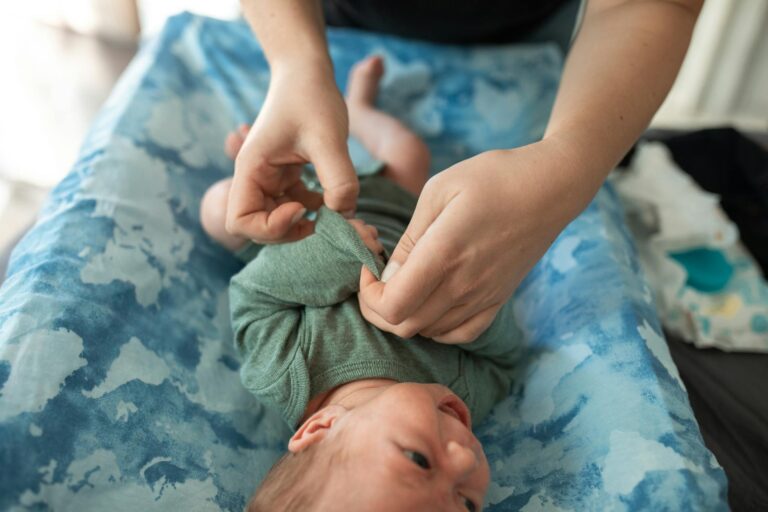
The nap sign in baby sign language is a simple, visual gesture that mimics the act of sleep—you extend your fingers from a flat hand and draw it downward...
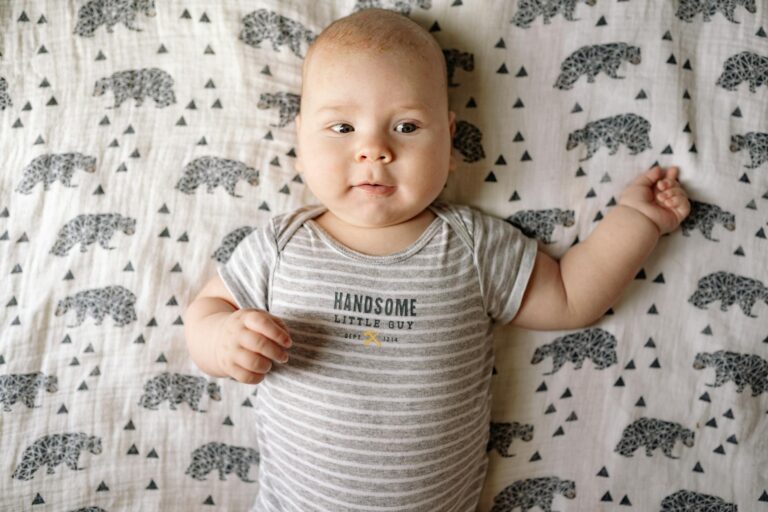
Baby sign language bedtime refers to introducing a small set of simple hand gestures to your child during sleep routines—typically signs like BED, SLEEP,...

The sign for "sleepy" in baby sign language is performed by starting with your dominant hand's fingers extended and spread apart, then bringing your hand...

Teaching your baby the sign for "sleep" is practical and achievable, though success depends on your baby's developmental stage.
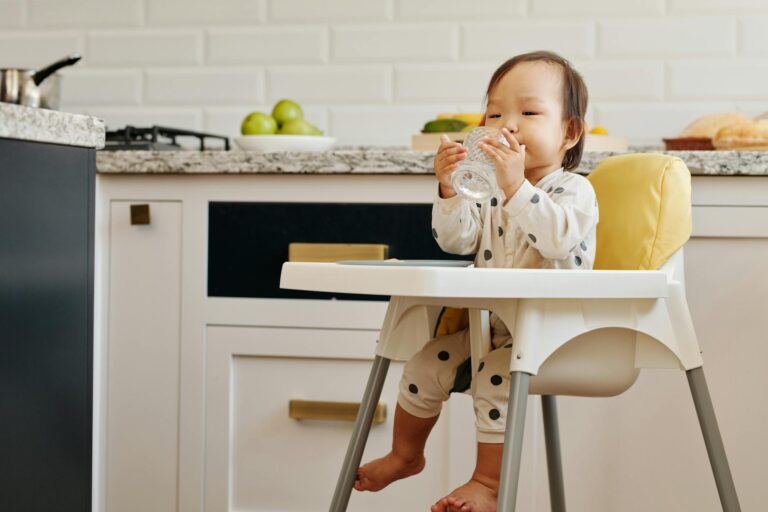
To sign "snack," position your non-dominant hand in front of you with the palm facing upward in a flat, plate-like shape.

The sign for "hungry" is made by cupping your hand in a C-shape with your palm facing your body, then moving it down from your neck to your stomach—a...
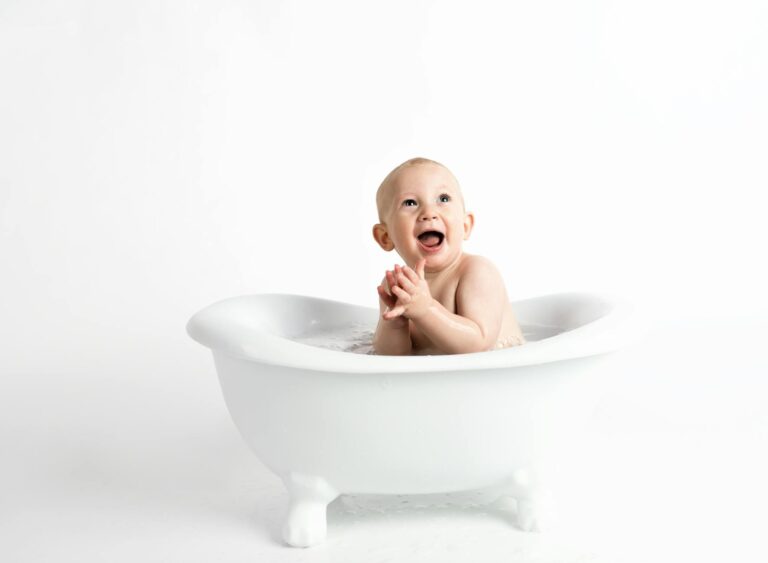
To sign "water" in baby sign language, form your hand into a "W" shape by extending your three middle fingers while tucking your thumb and pinkie down,...

The "drink" sign in baby sign language is made by forming your hand into a C-shape, as if you're holding a cup, and bringing it to your mouth to mimic the...

The "all done" sign in baby sign language is one of the most practical gestures you can teach your infant or toddler.