Visual, animated walkthroughs of common ASL signs for babies and toddlers. Tap any card to see diagrams of the handshape and motion.
























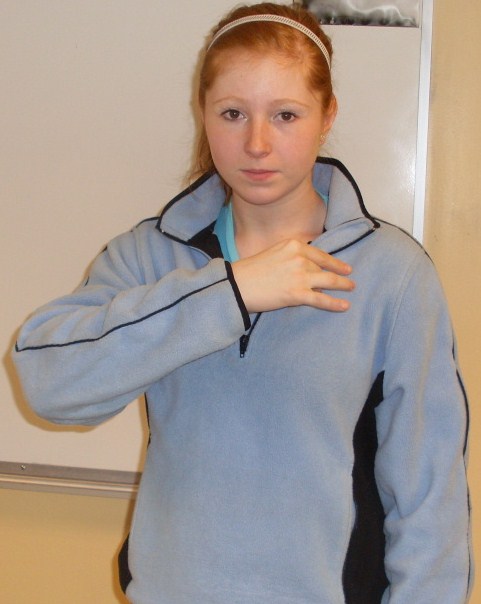

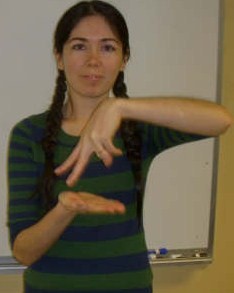
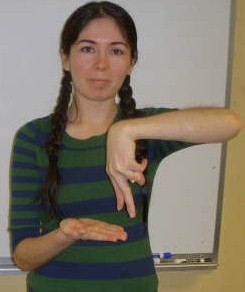


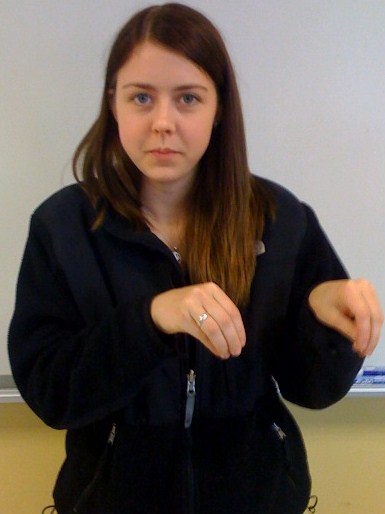

























































Latest Articles
- How to Sign “Eat” in ASL: Baby Sign Language Guide
- How to Sign “Drink” in ASL: Baby Sign Language Guide
- How to Sign “Want” in ASL: Baby Sign Language Guide
- How to Sign “Thank You” in ASL: Baby Sign Language Guide
- How to Sign “Yes” in ASL: Baby Sign Language Guide
- How to Sign “No” in ASL: Baby Sign Language Guide
- How to Sign “Good” in ASL: Baby Sign Language Guide
- How to Sign “Bad” in ASL: Baby Sign Language Guide
- How to Sign “Happy” in ASL: Baby Sign Language Guide
- How to Sign “Sad” in ASL: Baby Sign Language Guide
- How to Sign “Tired” in ASL: Baby Sign Language Guide
- How to Sign “Hello” in ASL: Baby Sign Language Guide
- How to Sign “Go” in ASL: Baby Sign Language Guide
- How to Sign “Like” in ASL: Baby Sign Language Guide
- How to Sign “Don’t Like” in ASL: Baby Sign Language Guide
- How to Sign “Dance” in ASL: Baby Sign Language Guide
- How to Sign “Jump” in ASL: Baby Sign Language Guide
- How to Sign “Move” in ASL: Baby Sign Language Guide
- How to Sign “Slow” in ASL: Baby Sign Language Guide
- How to Sign “Nice” in ASL: Baby Sign Language Guide
- How to Sign “OK” in ASL: Baby Sign Language Guide
- How to Sign “Name” in ASL: Baby Sign Language Guide
- How to Sign “What” in ASL: Baby Sign Language Guide
- How to Sign “Where” in ASL: Baby Sign Language Guide
- How to Sign “Who” in ASL: Baby Sign Language Guide
- How to Sign “Why” in ASL: Baby Sign Language Guide
- How to Sign “How” in ASL: Baby Sign Language Guide
- How to Sign “Red” in ASL: Baby Sign Language Guide
- How to Sign “Yellow” in ASL: Baby Sign Language Guide
- How to Sign “Orange” in ASL: Baby Sign Language Guide
- How to Sign “White” in ASL: Baby Sign Language Guide
- How to Sign “Me” in ASL: Baby Sign Language Guide
- How to Sign “You” in ASL: Baby Sign Language Guide
- How to Sign “My” in ASL: Baby Sign Language Guide
- How to Sign “Us” in ASL: Baby Sign Language Guide
- How to Sign “Our” in ASL: Baby Sign Language Guide
- How to Sign “Angry” in ASL: Baby Sign Language Guide
- How to Sign “Nervous” in ASL: Baby Sign Language Guide
- How to Sign “Cool” in ASL: Baby Sign Language Guide
- How to Sign “Different” in ASL: Baby Sign Language Guide
- How to Sign “Same” in ASL: Baby Sign Language Guide
- How to Sign “Don’t Know” in ASL: Baby Sign Language Guide
- How to Sign “Don’t Understand” in ASL: Baby Sign Language Guide
- How to Sign “Understand” in ASL: Baby Sign Language Guide
- How to Sign “Brown” in ASL: Baby Sign Language Guide
- How to Sign “Color” in ASL: Baby Sign Language Guide
- How to Sign “Food” in ASL: Baby Sign Language Guide
- How to Sign “Picture” in ASL: Baby Sign Language Guide
- How to Sign “Write” in ASL: Baby Sign Language Guide
- How to Sign “Sit” in ASL: Baby Sign Language Guide
- How to Sign “Stand” in ASL: Baby Sign Language Guide
- How to Sign “Correct” in ASL: Baby Sign Language Guide
- How to Sign “Wrong” in ASL: Baby Sign Language Guide
- How to Sign “Welcome” in ASL: Baby Sign Language Guide
- How to Sign “How Many” in ASL: Baby Sign Language Guide
- How to Sign “Old” in ASL: Baby Sign Language Guide
- How to Sign “Remember” in ASL: Baby Sign Language Guide
- How to Sign “There” in ASL: Baby Sign Language Guide