
Learning how to sign want in ASL gives your child a way to communicate before words arrive. “Want” gives your baby a polite way to ask instead of crying. It is a two-handed sign that most babies manage between 10 and 14 months, and it cuts frustration fast because it works for everything — food, toys, books, you.
How to Sign “Want” in ASL
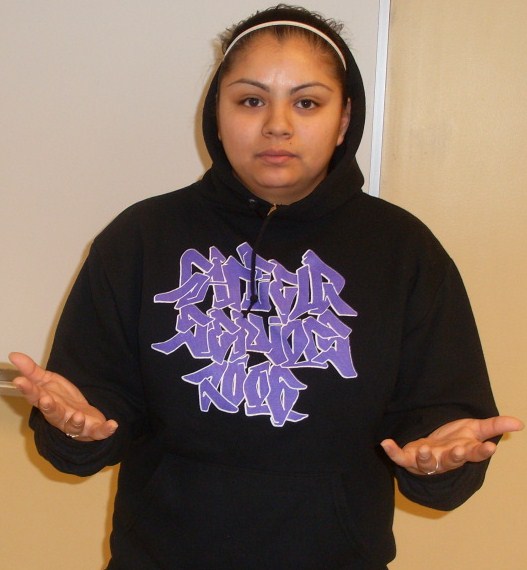
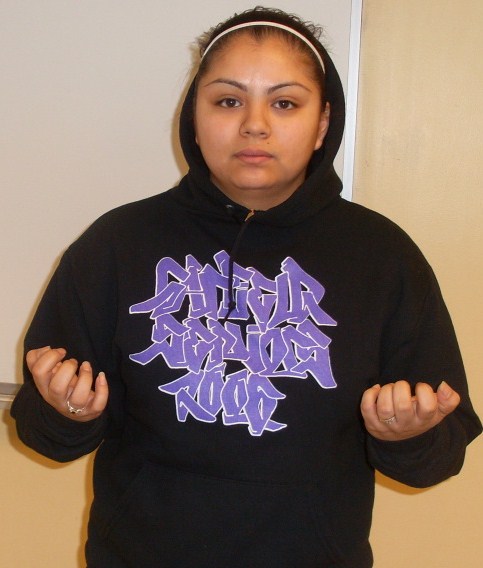
Photos: Rodasmith via Wikimedia Commons, CC BY-SA 3.0
- Make the handshape: Hold both hands out in front of you, palms up, fingers curved into loose claws.
- Position them: Keep the hands about chest height, a comfortable distance apart.
- Pull in: Draw both hands back toward your body, as if pulling the thing you want closer.
The movement is the meaning — you are literally pulling something toward yourself. Exaggerate the pull when modeling it for your baby.
Step-by-Step Photos
Photos: Rodasmith via Wikimedia Commons, CC BY-SA 3.0
When to Use It With Your Child
- Before handing over anything they reach for: Ask “Do you want it?” while signing, then give it.
- At choice moments: Hold up two toys and sign “want” as you ask which one.
- When they whine and point: Model “want” calmly, then reward any attempt immediately.
Tips for Success
- Babies often start with one hand instead of two — that counts. Keep modeling both.
- Always follow a signed “want” with the item right away at first; speed builds the habit.
- Combine it with more and milk into tiny two-sign sentences once each sign is solid.
Signs Related to “Want”
“More” (fingertips of both hands tapping together) and “give me” are natural companions to “want” — all three let a baby direct the action without tears.
Research on baby signing consistently lists “want,” “more,” and “milk” among the first ten signs babies produce, typically between 10 and 14 months.
Learn more: National Association of the Deaf — ASL resources and advocacy from the National Association of the Deaf.
Frequently Asked Questions
When should I start teaching my baby how to sign want in ASL?
You can introduce the sign for want as early as 10–14 months. Babies understand signs before they can produce them, so start modeling it consistently and reward any attempt — even an approximation — with the item or action right away.
How long does it take for a baby to learn to sign want?
Most babies begin producing a recognizable version of the sign for want within two to four weeks of consistent daily modeling. Frequency matters more than perfect form at this stage — sign it every time the word comes up naturally in your routine.
Is the ASL sign for want the same in baby sign language programs?
Yes. Most baby sign language programs teach the authentic ASL sign for want. Using real ASL rather than invented gestures means your child’s signs will be understood by Deaf signers and build a foundation for learning more ASL as they grow.