
Learning how to sign thank you in ASL gives your child a way to communicate before words arrive. “Thank you” is the first manners sign most families teach. Toddlers usually manage it between 12 and 18 months, and it looks like blowing a kiss from the chin — sweet enough that they enjoy doing it.
How to Sign “Thank You” in ASL
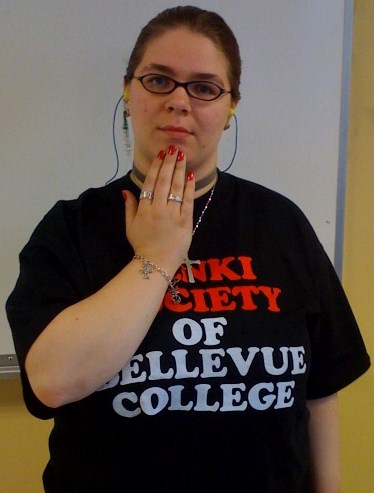
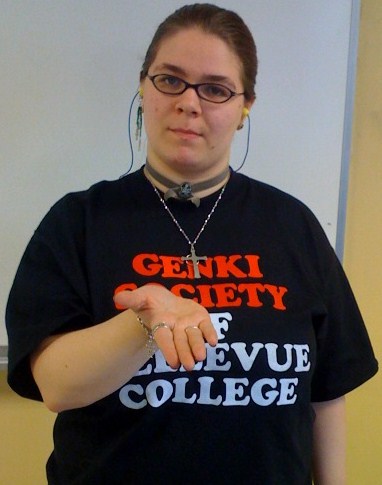
Photos: Rodasmith via Wikimedia Commons, CC BY-SA 3.0
- Make the handshape: Hold your hand flat, fingers together, palm facing you.
- Touch your chin: Place your fingertips lightly on your chin or just below your lips.
- Move it forward: Arc the hand forward and slightly down, ending with the palm up, toward the person you are thanking.
Direction matters: the sign travels from you toward the person being thanked, like sending the thanks to them.
Step-by-Step Photos
Photos: Rodasmith via Wikimedia Commons, CC BY-SA 3.0
When to Use It With Your Child
- Whenever anyone hands your toddler something: Model “thank you” on their behalf, every time.
- After help: Sign it when grandma buckles a shoe or a sibling shares a toy.
- In books and play: Have stuffed animals “thank” each other — toddlers copy pretend play fast.
Tips for Success
- Never force it — model it cheerfully yourself and the imitation will come.
- A hand that starts near the mouth and flops forward counts as a first version.
- Watch the difference from blowing a kiss: “thank you” starts at the chin, not the lips.
Signs Related to “Thank You”
“Please” (flat hand circling on the chest) and “more” round out the early manners set. Many families teach “please” and “thank you” the same week since both appear at gift-and-snack moments.
“Thank you” is also one of the most recognized ASL signs among hearing adults, so toddlers who use it get reinforcing smiles almost everywhere.
Learn more: National Association of the Deaf — ASL resources and advocacy from the National Association of the Deaf.
Frequently Asked Questions
When should I start teaching my baby how to sign thank you in ASL?
You can introduce the sign for thank you as early as 12–18 months. Babies understand signs before they can produce them, so start modeling it consistently and reward any attempt — even an approximation — with the item or action right away.
How long does it take for a baby to learn to sign thank you?
Most babies begin producing a recognizable version of the sign for thank you within two to four weeks of consistent daily modeling. Frequency matters more than perfect form at this stage — sign it every time the word comes up naturally in your routine.
Is the ASL sign for thank you the same in baby sign language programs?
Yes. Most baby sign language programs teach the authentic ASL sign for thank you. Using real ASL rather than invented gestures means your child’s signs will be understood by Deaf signers and build a foundation for learning more ASL as they grow.