Baby Sign Language More

Baby sign language opens communication doors earlier than waiting for spoken words—research shows infants can acquire their first signs before they speak...
Step-by-step ASL guides for the signs babies and toddlers learn first – eat, drink, more, please, milk, sleep, and dozens more. Each guide shows the exact handshape and motion with real photos, plus the age window when most children pick up the sign.
Baby sign language opens communication doors earlier than waiting for spoken words—research shows infants can acquire their first signs before they speak...
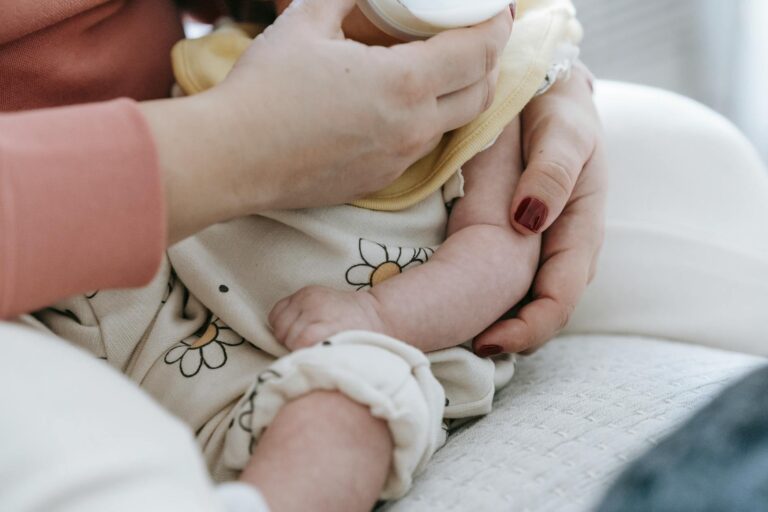
To sign "milk," make a fist with your dominant hand with the thumb side facing up, then squeeze the loose fist open and shut repeatedly.
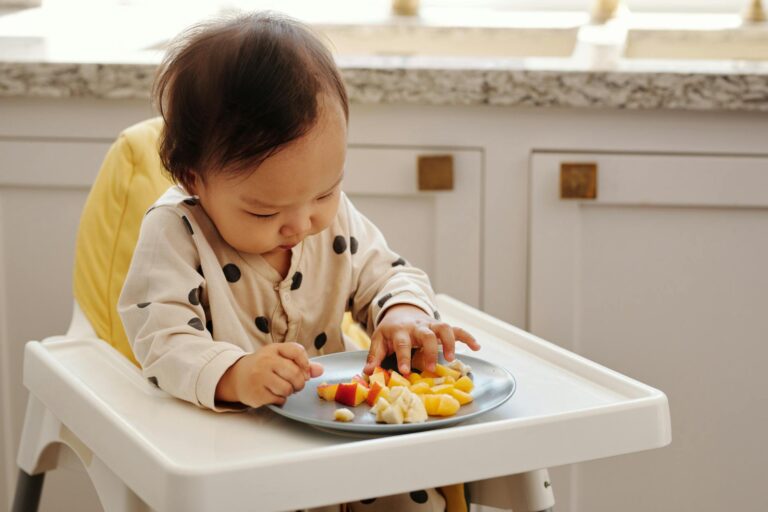
The "eat" sign in baby sign language is made by bringing your fingertips to your mouth in a pinching motion, as if bringing food to your lips, with your...

A baby sign language food chart is a visual guide showing the hand shapes and movements for common food-related signs—like MILK, MORE, EAT, HUNGRY, and...
Baby sign language for food gives your infant a powerful tool to communicate hunger, satisfaction, and preferences long before they can speak.
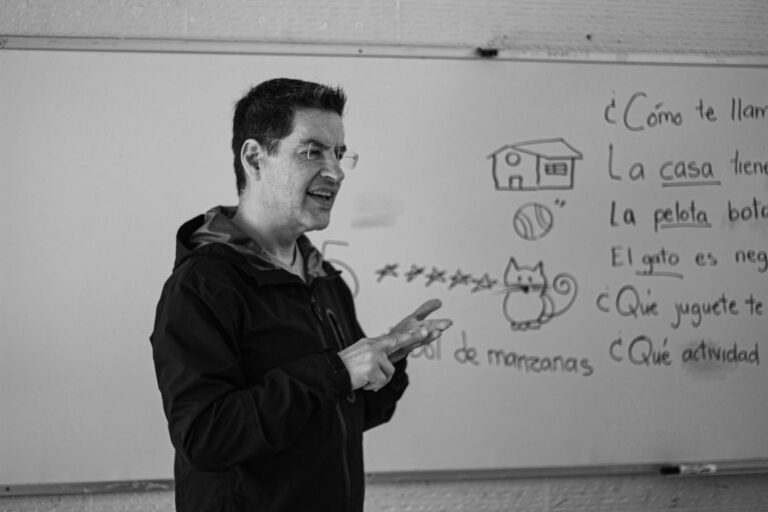
Baby sign language example videos showcase specific signs and hand shapes that parents and caregivers can teach infants to communicate their basic needs...
Baby sign language examples with pictures show parents and caregivers the specific hand shapes, movements, and positions needed to communicate key words...
Baby sign language examples are simple hand gestures that communicate basic needs and emotions before babies can speak.
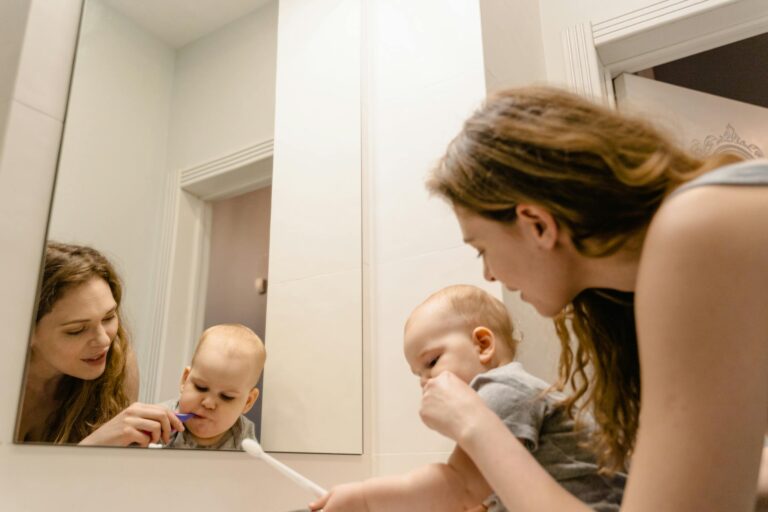
A baby sign language daily routine means incorporating signs for everyday activities into the natural moments you already share with your child—during...
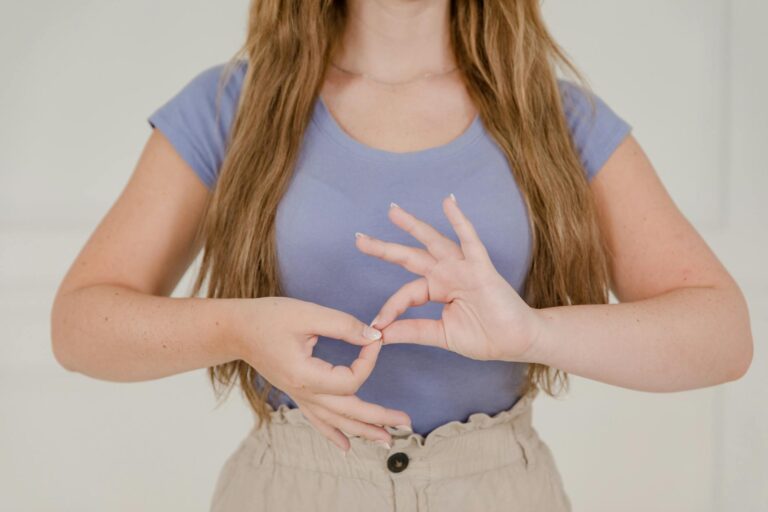
A baby sign language routine is a consistent daily practice of using hand gestures and facial expressions alongside spoken words to communicate with your...