Baby Sign Language Examples
Baby sign language examples are simple hand gestures that communicate basic needs and emotions before babies can speak.
Step-by-step ASL guides for the signs babies and toddlers learn first – eat, drink, more, please, milk, sleep, and dozens more. Each guide shows the exact handshape and motion with real photos, plus the age window when most children pick up the sign.
Baby sign language examples are simple hand gestures that communicate basic needs and emotions before babies can speak.
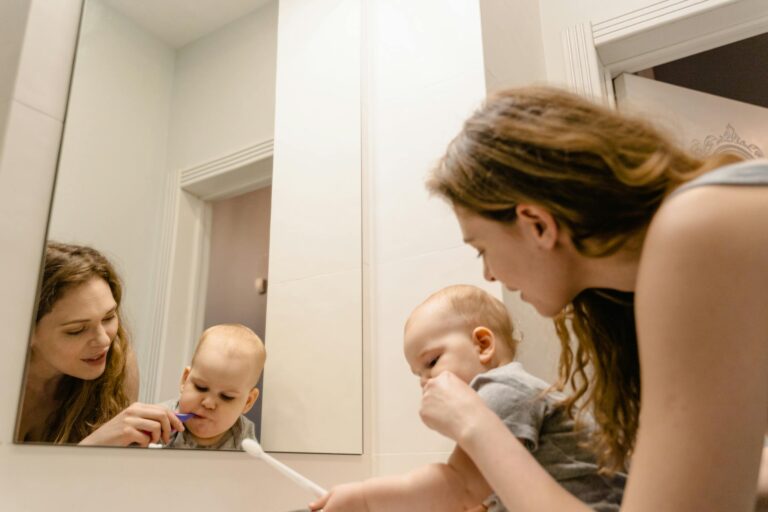
A baby sign language daily routine means incorporating signs for everyday activities into the natural moments you already share with your child—during...

A baby sign language routine is a consistent daily practice of using hand gestures and facial expressions alongside spoken words to communicate with your...

You can start teaching your baby sign language as early as 6 months old, according to the American Academy of Pediatrics, when babies begin maintaining...

Research shows that babies can begin learning sign language as early as 4 months old, with many deaf children of deaf parents producing their first signed...
The science of baby sign language reveals something surprising: the benefits are real, but more modest and temporary than popular parenting culture...

Baby sign language research consistently shows that teaching hearing infants and toddlers sign language produces immediate communication benefits—reduced...

Baby sign language offers real benefits for communication and early learning, but the advantages are more nuanced than popular claims suggest.

Baby sign language offers significant developmental benefits, particularly for deaf and hard of hearing toddlers.

Yes, baby sign language accelerates speech development. Hearing infants who use baby sign language are approximately three months ahead in verbal skills...