
Learning how to sign yes in ASL gives your child a way to communicate before words arrive. “Yes” lets your toddler answer questions before they can talk. The fist nods like a tiny head, which makes it easy to remember — most toddlers use it between 12 and 18 months, often alongside a real head nod.
How to Sign “Yes” in ASL
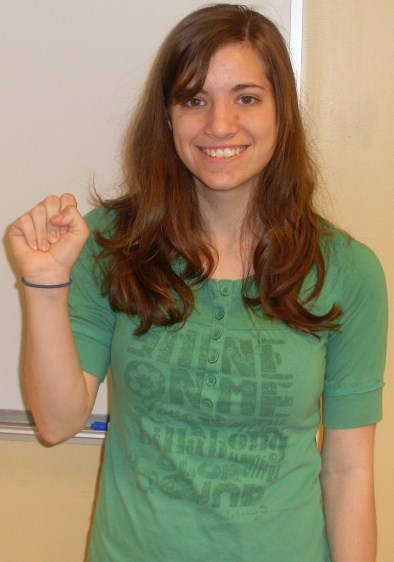
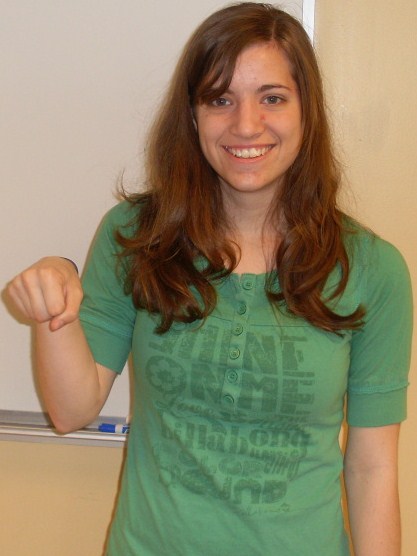
Photos: Rodasmith via Wikimedia Commons, CC BY-SA 3.0
- Make the handshape: Close your hand into a relaxed fist (an “S” hand).
- Hold it up: Raise the fist to about shoulder height, palm facing forward or to the side.
- Nod it: Bend the fist up and down at the wrist, two or three times, like a head nodding yes.
The fist is a little head and the wrist is its neck — tell toddlers that and they remember it instantly.
Step-by-Step Photos
Photos: Rodasmith via Wikimedia Commons, CC BY-SA 3.0
When to Use It With Your Child
- At yes/no questions: “Do you want a banana?” Sign “yes” yourself as you say it, modeling the answer.
- During games: Nod the fist with exaggerated delight when they pick correctly in a guessing game.
- At bedtime choices: “This book? Yes?” — toddlers learn fastest when the sign decides something real.
Tips for Success
- Pair the sign with an actual head nod at first; drop the head nod once the hand does the work.
- A whole-arm bounce counts as an early version — refine toward the wrist later.
- Teach “yes” and “no” in the same week so your toddler can answer any question either way.
Signs Related to “Yes”
“No” (first two fingers snapping closed against the thumb) is the natural partner sign. Together they turn every question into a conversation a pre-verbal toddler can join.
Yes/no signing pairs are commonly used by speech-language pathologists in early intervention precisely because they unlock answers months before spoken words arrive.
Learn more: National Association of the Deaf — ASL resources and advocacy from the National Association of the Deaf.
Frequently Asked Questions
When should I start teaching my baby how to sign yes in ASL?
You can introduce the sign for yes as early as 12–18 months. Babies understand signs before they can produce them, so start modeling it consistently and reward any attempt — even an approximation — with the item or action right away.
How long does it take for a baby to learn to sign yes?
Most babies begin producing a recognizable version of the sign for yes within two to four weeks of consistent daily modeling. Frequency matters more than perfect form at this stage — sign it every time the word comes up naturally in your routine.
Is the ASL sign for yes the same in baby sign language programs?
Yes. Most baby sign language programs teach the authentic ASL sign for yes. Using real ASL rather than invented gestures means your child’s signs will be understood by Deaf signers and build a foundation for learning more ASL as they grow.