
Learning how to sign ok in ASL gives your child a way to communicate before words arrive. “OK” in ASL is exactly what it says: the letters O and K, fingerspelled quickly. It is a checking-in sign — are you OK? — that becomes more useful every month of toddlerhood.
How to Sign “OK” in ASL
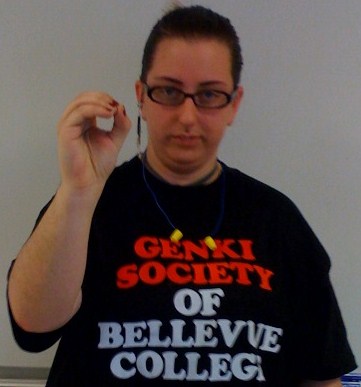

Photos: Rodasmith via Wikimedia Commons, CC BY-SA 3.0
- Form the O: Curl your fingers and thumb into a circle.
- Shift to K: Pop your index and middle fingers up with the thumb between them.
- Blend them: Roll O into K in one quick motion, palm facing out.
Fingerspelled loan signs like O-K get smoothed by speed — signed fast, the two letters blur into a single word.
Step-by-Step Photos
Photos: Rodasmith via Wikimedia Commons, CC BY-SA 3.0
When to Use It With Your Child
- After tumbles: “Are you OK?” with the sign during the check-over.
- As agreement: Sign it as you grant a request — “OK, one more book.”
- As a check-in across the playground: Eye contact plus “OK?” works at distances words do not.
Tips for Success
- Toddler fingers can’t fingerspell precisely — accept any circle-then-fingers attempt.
- The thumbs-up gesture is a fine informal substitute toddlers find easier.
- Use it calmly after falls; a routine “OK?” check actually reduces crying theatrics.
Signs Related to “OK”
“Good” and “fine” (thumb of a 5-hand tapping the chest) are the nearby signs for answering the OK question. Loan signs from fingerspelling, like O-K and N-O, are a small but mighty corner of ASL.
“OK” entered ASL the same way it entered English — borrowed letter by letter, then worn smooth by a century of fast hands.
Learn more: National Association of the Deaf — ASL resources and advocacy from the National Association of the Deaf.
Frequently Asked Questions
When should I start teaching my baby how to sign ok in ASL?
You can introduce the sign for ok as early as 14–18 months. Babies understand signs before they can produce them, so start modeling it consistently and reward any attempt — even an approximation — with the item or action right away.
How long does it take for a baby to learn to sign ok?
Most babies begin producing a recognizable version of the sign for ok within two to four weeks of consistent daily modeling. Frequency matters more than perfect form at this stage — sign it every time the word comes up naturally in your routine.
Is the ASL sign for ok the same in baby sign language programs?
Yes. Most baby sign language programs teach the authentic ASL sign for ok. Using real ASL rather than invented gestures means your child’s signs will be understood by Deaf signers and build a foundation for learning more ASL as they grow.