What Are the Best Baby Signs for Daily Routines
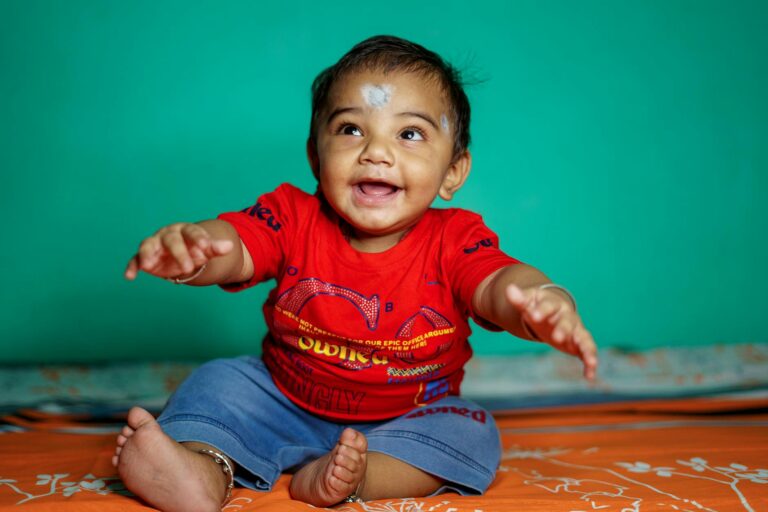
The best baby signs for daily routines are MORE, MILK, ALL DONE, BOOK, SLEEP, and signs for DIAPER CHANGES, BATH TIME, and NAP TIME.
Answers to the most common parent and educator questions about baby sign language and toddler ASL – when to start, when to stop, whether it delays speech, how to handle resistance, and what to do when signs do not stick. Practical, evidence-based guidance.
The best baby signs for daily routines are MORE, MILK, ALL DONE, BOOK, SLEEP, and signs for DIAPER CHANGES, BATH TIME, and NAP TIME.
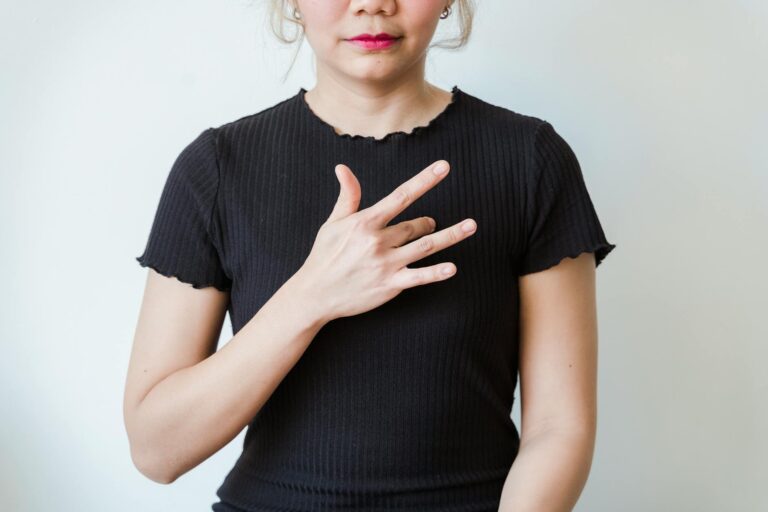
Yes, baby sign language can meaningfully support emotional development in young children. Research consistently shows that sign language—whether as a...
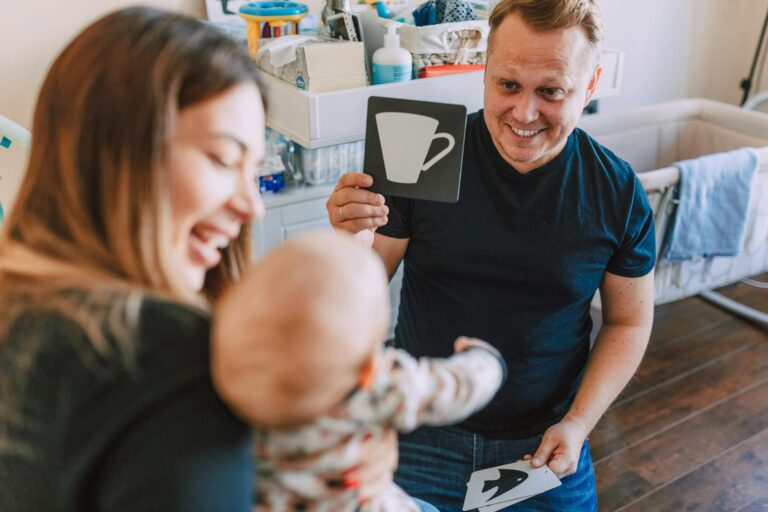
Teaching feelings using baby sign language involves introducing your child to signs that represent emotions like happy, sad, angry, and scared at a pace...

The best baby signs for emotions include happy (big smile while moving hands up), sad (index fingers tracing down cheeks for tears), angry (claw hands...

To teach your baby the sign for "sleepy," gently rub your fingertips down the side of your face in a downward motion, as if closing your eyes.
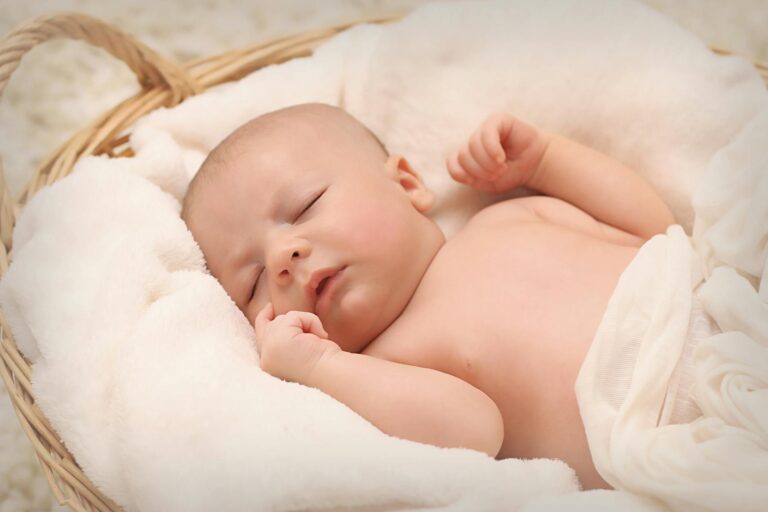
The best baby signs for bedtime include SLEEP, BED, TIRED, CALM, and QUIET—signs that help your baby communicate their needs and learn the language of...

Teaching "all done" in baby sign language involves showing your child a simple two-handed sign where you brush both hands outward from your chest, palms...
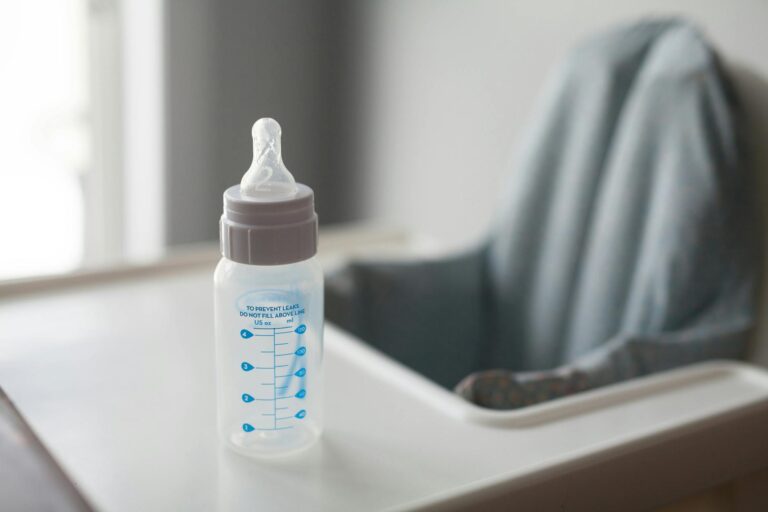
Teaching the milk sign to a baby starts with patience, repetition, and connecting the sign to mealtimes.
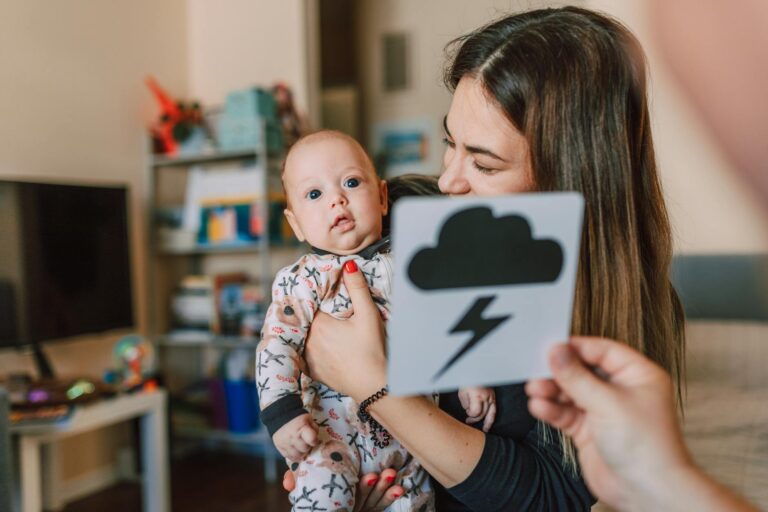
Teaching your baby the "more" sign is one of the most practical first signs to introduce because it directly addresses one of their primary motivations:...
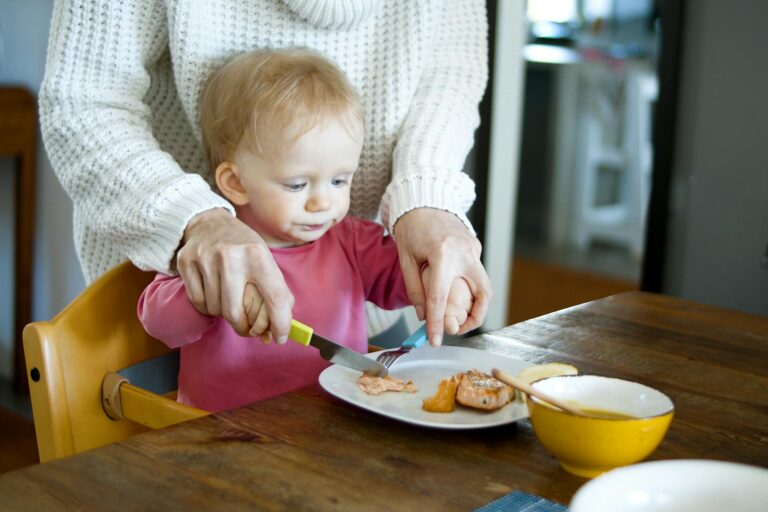
To teach the eat sign in baby sign language, bring your fingertips together to form a flattened "O" shape with your hand, then move your hand to your...