Is Baby Sign Language Good for Bilingual Families

Yes, baby sign language can be genuinely beneficial for bilingual families. When families use sign language alongside spoken languages, children gain an...
Answers to the most common parent and educator questions about baby sign language and toddler ASL – when to start, when to stop, whether it delays speech, how to handle resistance, and what to do when signs do not stick. Practical, evidence-based guidance.
Yes, baby sign language can be genuinely beneficial for bilingual families. When families use sign language alongside spoken languages, children gain an...
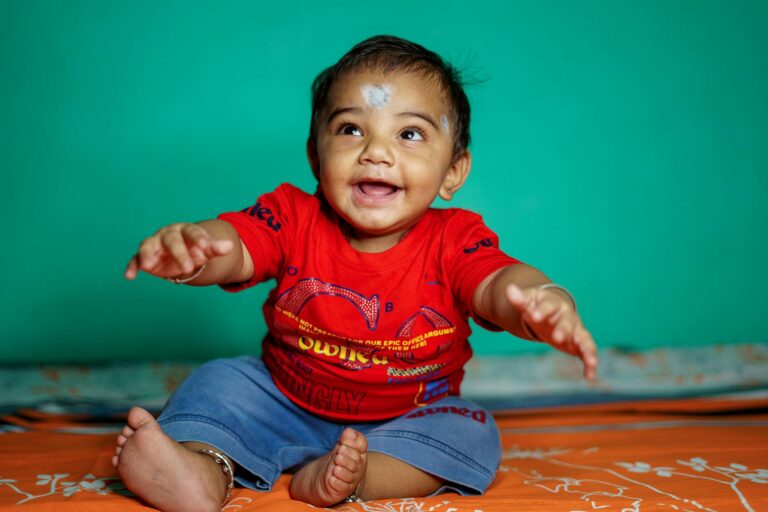
No, babies do not stop signing when they start talking. In fact, research on bilingual language development shows that children who learn sign language...

There's no fixed age or milestone when you must stop using baby sign language with your child. Many families find that baby sign language naturally...

Yes, babies can understand sign language before they use it, just as they understand spoken language long before they speak.

If your baby has been exposed to sign language but isn't signing back, the most common explanation is simple: they're not developmentally ready yet.
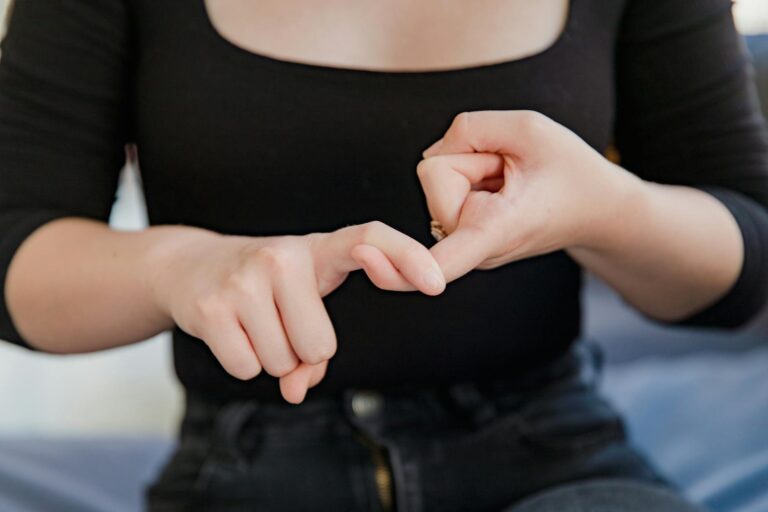
Baby sign language isn't working for your child because the approach, environment, or expectations likely don't match how infants actually learn language.
The most common baby sign language mistakes fall into three main categories: inconsistent signing, insufficient exposure, and unrealistic expectations...
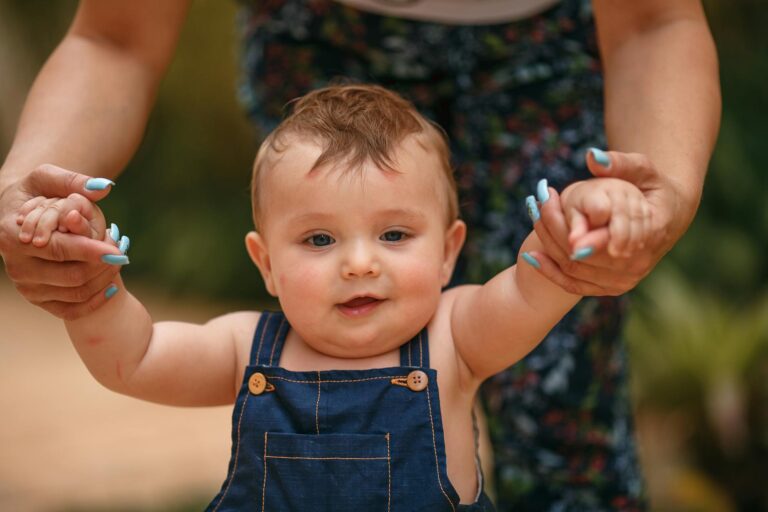
Teaching the sign for "help" in baby sign language involves showing your child a simple, clear hand gesture that they can use to request assistance.
The best baby signs for needs and wants are simple, repetitive gestures that combine basic hand movements with clear, consistent actions—signs like...
You use baby sign language during diaper changes by introducing signs for bodily functions and routine activities before, during, and after the diaper...