How Can Baby Sign Language Improve Daily Communication

Baby sign language improves daily communication by allowing infants to express their needs and thoughts before they develop the verbal and motor skills...
Answers to the most common parent and educator questions about baby sign language and toddler ASL – when to start, when to stop, whether it delays speech, how to handle resistance, and what to do when signs do not stick. Practical, evidence-based guidance.
Baby sign language improves daily communication by allowing infants to express their needs and thoughts before they develop the verbal and motor skills...

Yes, baby sign language is recommended by experts, including pediatricians, developmental psychologists, and speech-language pathologists.
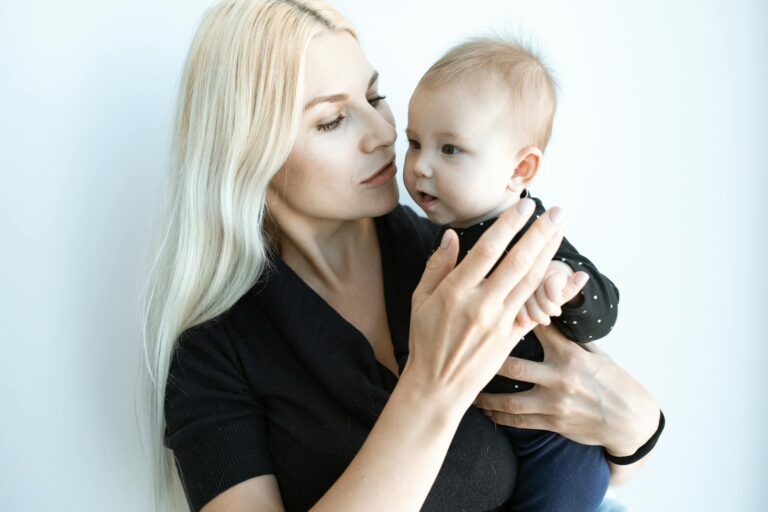
Research shows that baby sign language provides significant cognitive and language development benefits, particularly for deaf and hard-of-hearing...

Baby sign language supports early learning by giving infants a way to communicate their thoughts and needs before they can speak, which accelerates...

Yes, baby sign language can meaningfully improve cognitive skills during critical developmental years.
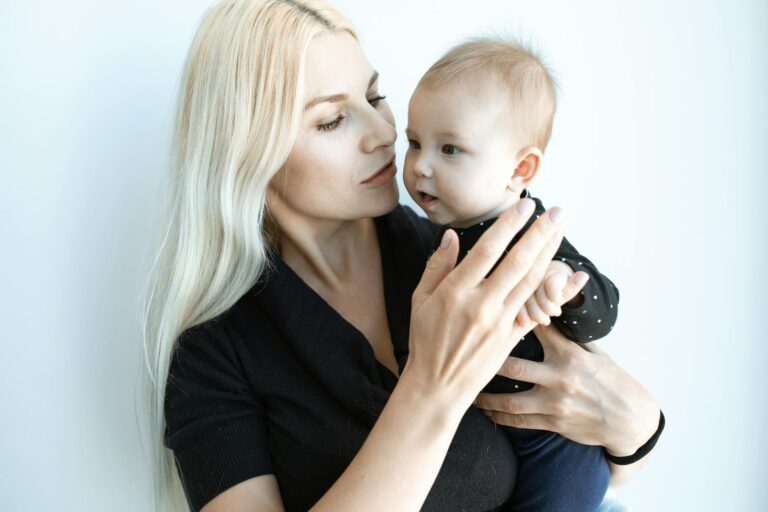
Baby sign language activates the same brain regions responsible for processing language as spoken speech does, making sign language a genuine and...

Yes, baby sign language can meaningfully support language development. When a baby is exposed to sign language—whether as their primary language or...

Yes, baby sign language can be genuinely helpful for speech therapy, but not in the way many parents expect.

Yes, baby sign language can be genuinely helpful for babies and toddlers with autism, particularly for those who face challenges with verbal speech.

No, baby sign language does not confuse babies. Research consistently shows that babies exposed to sign language learn it naturally and fluently, just as...