What Fire Alarm Systems Are Available for Deaf Homeowners

Deaf homeowners have several effective fire alarm system options designed specifically to alert them to emergencies using visual and tactile signals...
Assistive technology that Deaf and hard-of-hearing people use every day – from vibration alerts and captioning services to AI accessibility tools, smart-home automations, and wearables. Guides for choosing the right tool and adapting to evolving deaf-tech.
Deaf homeowners have several effective fire alarm system options designed specifically to alert them to emergencies using visual and tactile signals...

Deaf parents of hearing children rely on a combination of visual alert systems, vibration-based technologies, and visual baby monitors to detect when...

The best captioned telephone for deaf adults in 2026 is the Hamilton CapTel 2400iSPNBT, a touch-screen device that combines real-time visual captions with...

Deaf individuals use smart doorbells like Ring and Nest primarily through visual notifications and mobile alerts rather than relying on audio chimes.

Deaf and hard-of-hearing students in mainstream classrooms access group discussions through a combination of accommodation services, classroom...
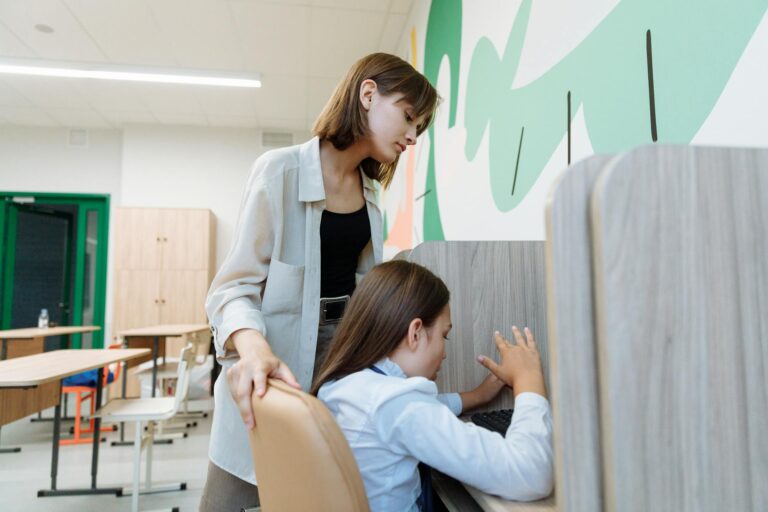
TypeWell is a communication access service that provides real-time captioning and transcription for deaf and hard of hearing students in educational...

CART (Communication Access Realtime Translation) real-time captioning in college classrooms works by using a trained court stenographer or CART provider...

Deaf college students have the right to receive a wide range of accommodations under the Americans with Disabilities Act (ADA) and Section 504 of the...

Deaf students take standardized tests like the SAT by requesting and receiving approved accommodations that provide equal access to the exam content.

The average reading level of deaf high school graduates has historically been reported at around the 4th grade level, a statistic that has remained...