What Happens When a Deaf Person Uses Home Signs the Interpreter Does Not Know

When a deaf person uses home signs and an interpreter doesn't recognize them, communication breaks down entirely.
Assistive technology that Deaf and hard-of-hearing people use every day – from vibration alerts and captioning services to AI accessibility tools, smart-home automations, and wearables. Guides for choosing the right tool and adapting to evolving deaf-tech.
When a deaf person uses home signs and an interpreter doesn't recognize them, communication breaks down entirely.

ASL interpreters handle dialects and regional variations by combining extensive training in multiple signing styles, continuous exposure to diverse Deaf...

Vicarious trauma in ASL interpreting occurs when sign language interpreters experience emotional and psychological distress from repeatedly interpreting...

ASL interpreters handle emotionally charged content by establishing strict professional boundaries, using deliberate emotional detachment techniques, and...

An ASL interpreter can be held liable for mistranslation in specific circumstances, primarily when the error causes demonstrable harm and the interpreter...

ASL interpreters handle untranslatable humor by adapting jokes rather than translating them word-for-word.
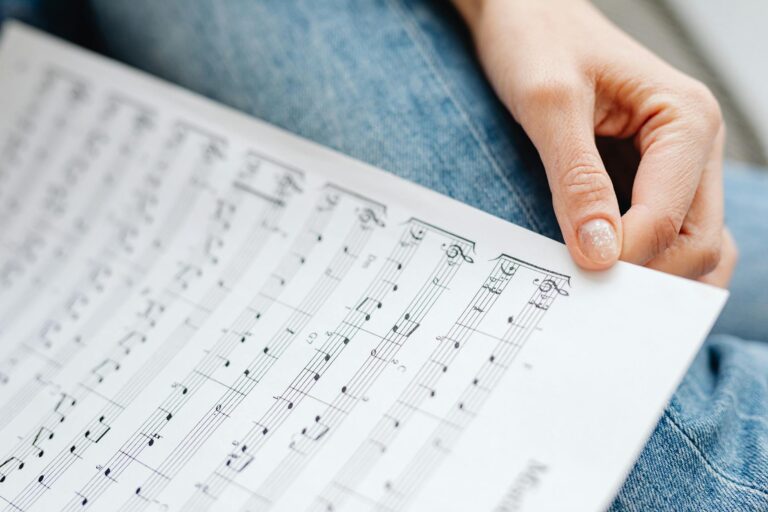
ASL interpreters at concerts and performances face a unique challenge: music is inherently rhythmic, emotional, and verbal, yet their role is to translate...
Demand control schema is a framework that helps ASL interpreters manage the linguistic and cognitive demands of the messages they're interpreting.

When ASL interpreters face an assignment on an unfamiliar subject—whether it's a specialized medical procedure, a technical industry presentation, or a...

Team interpreting is when two sign language interpreters work together simultaneously at the same event, with each typically interpreting for 20-30 minute...