What Is the Best Captioning Service for Live Webinars in 2026

The best captioning service for live webinars in 2026 depends on your budget and accuracy requirements, but for most organizations, AI-powered solutions...
Assistive technology that Deaf and hard-of-hearing people use every day – from vibration alerts and captioning services to AI accessibility tools, smart-home automations, and wearables. Guides for choosing the right tool and adapting to evolving deaf-tech.
The best captioning service for live webinars in 2026 depends on your budget and accuracy requirements, but for most organizations, AI-powered solutions...

Deaf users navigate voice-activated fast food ordering systems primarily by avoiding them entirely—ordering at counters with staff, using written...
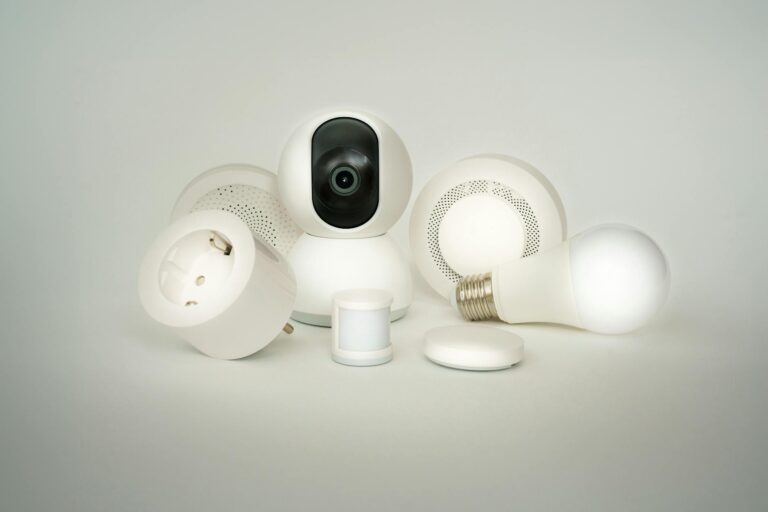
Smart home automations that work best for deaf homeowners replace audio alerts with visual and vibration-based notifications, making everyday safety and...
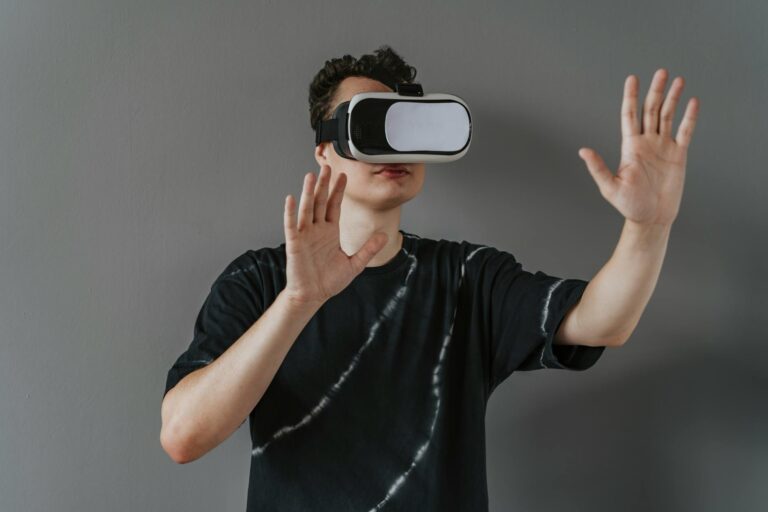
Deaf people experience virtual reality without audio cues by relying on visual indicators, haptic feedback, and text-based information that other VR users...

Haptic technology is the use of vibrations, pressure, and touch feedback to communicate information through a person's skin.

Deaf athletes know when the starting gun fires through visual light signals instead of sound—a system using color-coded flashing lights that provide fair,...
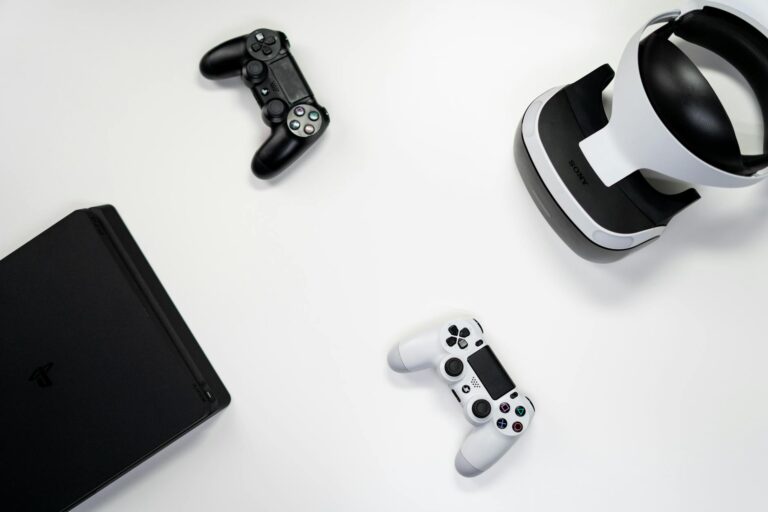
Vibration-based gaming peripherals have become essential accessibility tools for deaf gamers, offering haptic feedback that replaces or supplements audio...

Deaf individuals use speech-to-text technology in grocery stores primarily to understand announcements, communicate with staff, and navigate verbal...
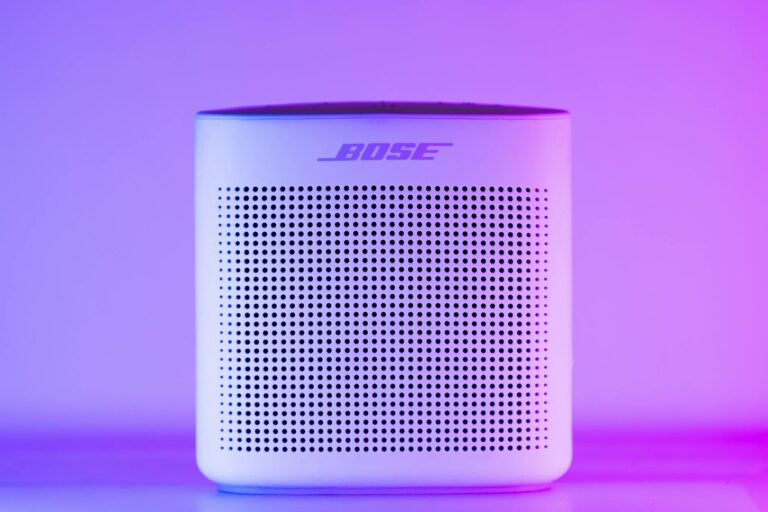
Bluetooth LE Audio is a newer standard for wireless audio transmission that uses significantly less power than traditional Bluetooth, opening new...

Deaf drivers know when emergency vehicles are behind them through specialized technology systems that convert sirens and horns into visual or vibration...