Is Baby Sign Language Worth It

For most families, baby sign language is worth the modest investment of time and effort. The practice allows preverbal infants to communicate basic needs...
Answers to the most common parent and educator questions about baby sign language and toddler ASL – when to start, when to stop, whether it delays speech, how to handle resistance, and what to do when signs do not stick. Practical, evidence-based guidance.
For most families, baby sign language is worth the modest investment of time and effort. The practice allows preverbal infants to communicate basic needs...
The best age to start baby sign language is between 6 and 8 months old. At this stage, babies are developmentally ready to attend to and imitate gestures,...

Toddler signs for transitions are simple hand gestures that signal a change in activity is coming, giving young children the predictability they need to...

The most effective toddler signs for daily activities focus on high-frequency needs: **more**, **eat**, **drink**, **all done**, **help**, **sleep**, and...
The most effective toddler sign language words to start with are **milk, more, all done, eat, water, help, mom, dad, play, and sleep**.
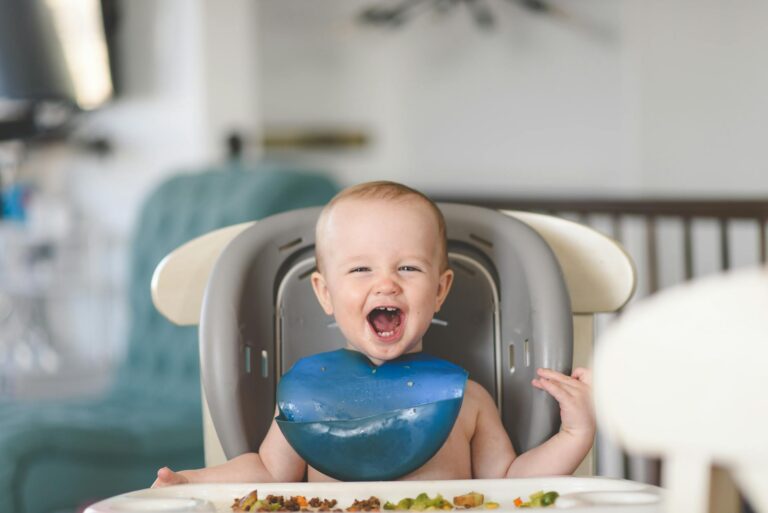
Baby signs for mealtime give infants a way to communicate hunger, preferences, and fullness before they can speak, typically starting around 6 to 9 months...

The most effective baby signs for bedtime include "sleep," "bed," "tired," "book," "blanket," and "night night," which give infants and toddlers the...

Baby signs work best for daily routines because the repetition creates natural learning opportunities your child can count on.
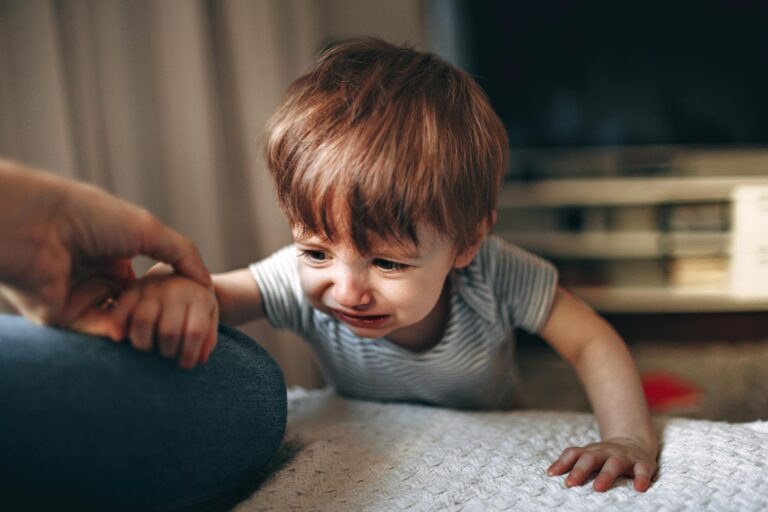
The signs that help most with baby frustration are those that address immediate needs: "more," "all done," "help," "milk," "eat," "water," and "hurt.
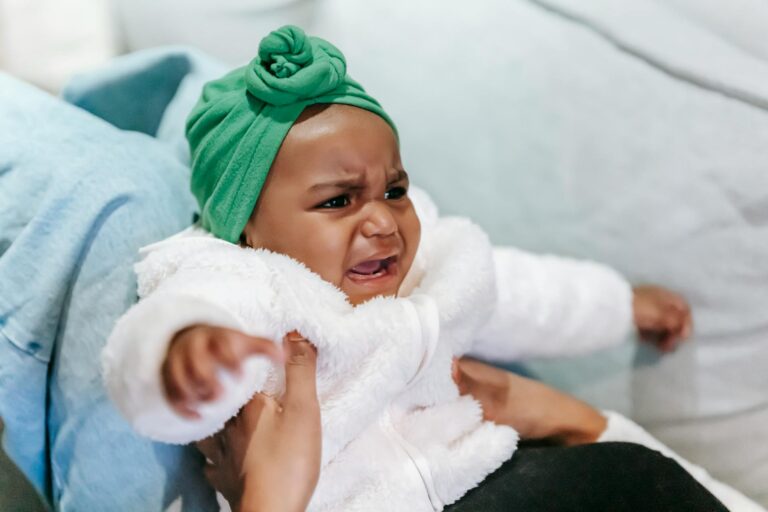
The signs most effective at reducing crying in babies and toddlers are those that address their most urgent needs: "milk," "more," "all done," "help," and...