When to Stop Baby Sign Language

There is no specific age at which you must stop using baby sign language with your child. Instead of a hard deadline, experts recommend following your...
Answers to the most common parent and educator questions about baby sign language and toddler ASL – when to start, when to stop, whether it delays speech, how to handle resistance, and what to do when signs do not stick. Practical, evidence-based guidance.
There is no specific age at which you must stop using baby sign language with your child. Instead of a hard deadline, experts recommend following your...
Babies begin communicating long before they say their first word. The journey toward speech starts remarkably early—typically around 2 to 3 months of age...

Baby sign language is not scientifically proven to provide long-term developmental advantages, despite what many parenting websites claim.
No, babies will not stop talking if they're exposed to sign language. This is a persistent myth, but the scientific evidence is clear and consistent: sign...
Baby sign language does not confuse babies. Research shows no evidence that using sign language causes delays in language development or confusion in...

Yes, baby sign language can transition to ASL, but it does not happen on its own. Most baby sign language programs already use actual ASL signs in...
Yes, parents should consider learning at least basic ASL for baby sign language, though the degree of commitment depends on your goals.

No, baby sign language is not the same as ASL. While baby sign language borrows many of its individual signs from American Sign Language, the two are...
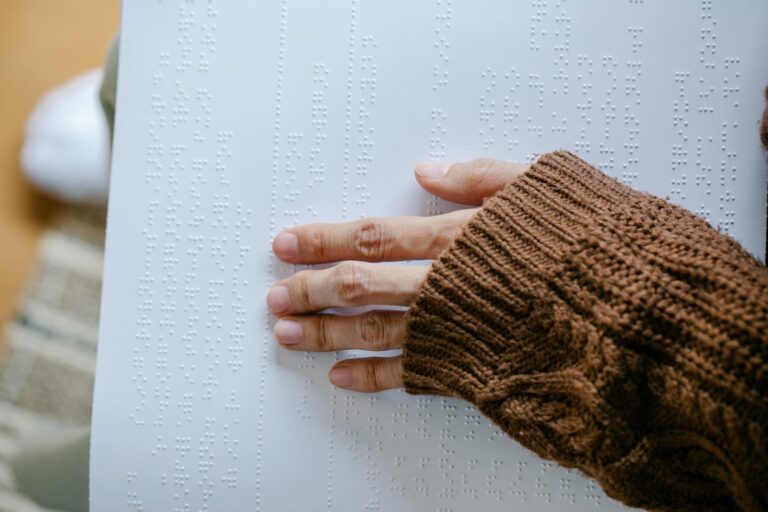
The best baby sign language book for most families is "Baby Sign Language Made Easy" by Lane Rebelo, which covers 101 everyday ASL signs organized by...

You do not need to spend a dime to start teaching your baby sign language. Between free printable charts, video dictionaries with hundreds of signs,...