Toddler Signs for Transitions

Transition signs give toddlers a visual warning that a change is coming, which dramatically reduces meltdowns and resistance.
Answers to the most common parent and educator questions about baby sign language and toddler ASL – when to start, when to stop, whether it delays speech, how to handle resistance, and what to do when signs do not stick. Practical, evidence-based guidance.
Transition signs give toddlers a visual warning that a change is coming, which dramatically reduces meltdowns and resistance.
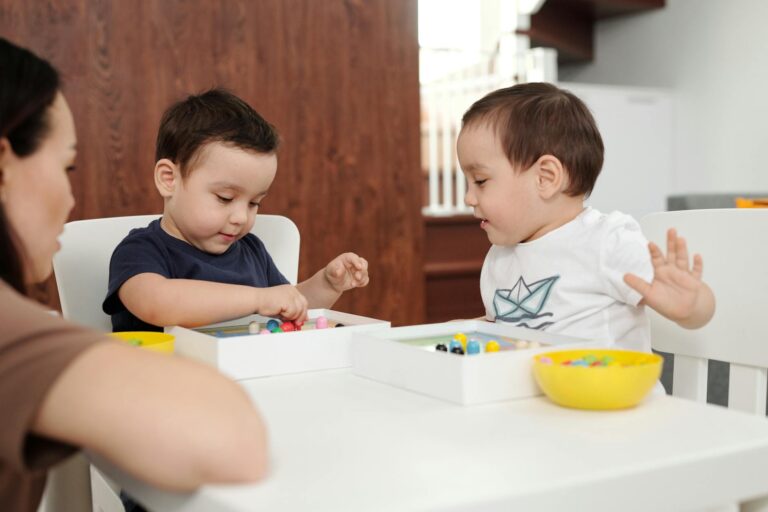
Toddler signs for daily activities are simplified gestures adapted from American Sign Language that help young children communicate routine needs""like...

The most effective toddler sign language words list starts with practical, high-frequency signs that address a child's immediate needs: "more," "milk,"...

Baby signs for mealtime are simple hand gestures that allow infants and toddlers to communicate their hunger, fullness, and food preferences before they...

Baby signs for bedtime are simple hand gestures that allow preverbal infants and toddlers to communicate their nighttime needs, including signs for SLEEP,...

Baby signs transform daily routines into communication opportunities, allowing infants as young as 8 months old to express needs like hunger, thirst,...

The signs most effective at reducing baby frustration are those that address immediate daily needs: "more," "all done," "help," "milk," "eat," "drink,"...

Teaching babies a handful of basic signs can meaningfully reduce crying and tantrums by giving them a way to express needs before they can speak.
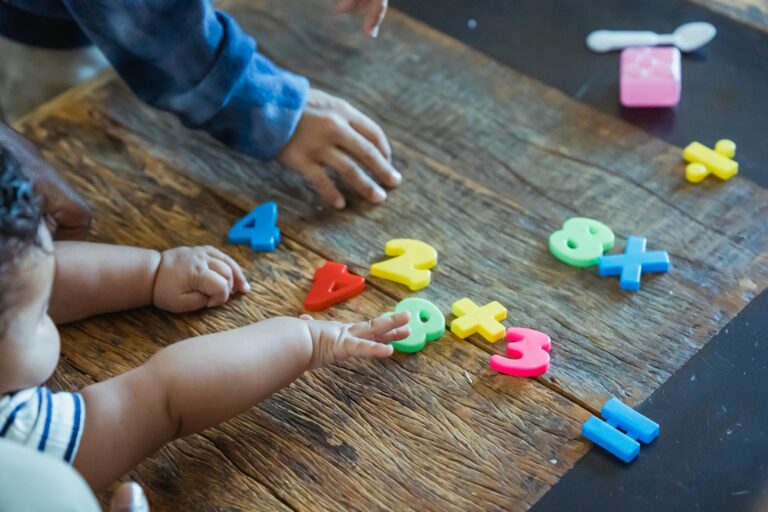
The best baby signs for early communication are **milk, more, all done, eat, and help**""these five foundational signs address a baby's most frequent...

The best baby sign language signs to teach first are those tied to your baby's most basic needs and daily routines.