
Learning how to sign like in ASL gives your child a way to communicate before words arrive. “Like” lets a toddler tell you what wins — which food, which toy, which book. The hand pulls a feeling right out of the chest, closing thumb and middle finger as it goes.
How to Sign “Like” in ASL
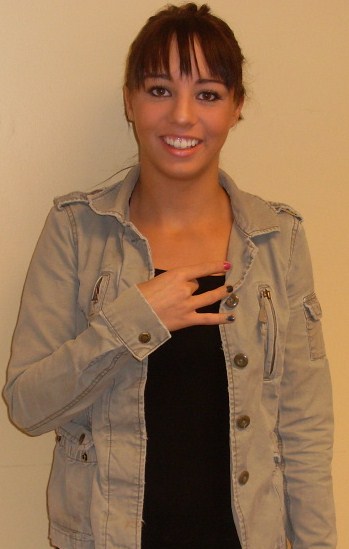
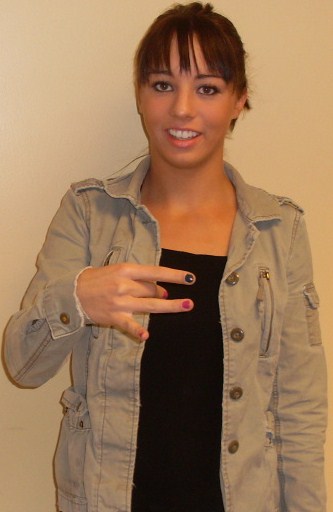
Photos: Rodasmith via Wikimedia Commons, CC BY-SA 3.0
- Make the handshape: Spread your hand on your chest with thumb and middle finger extended toward you.
- Start at the chest: The middle finger rests near the center of your chest.
- Pull and close: Draw the hand straight out, snapping thumb and middle finger together as it leaves.
You are pulling a good feeling out of your heart — that image helps adults remember it, and exaggerating the pull helps toddlers copy it.
Step-by-Step Photos
Photos: Rodasmith via Wikimedia Commons, CC BY-SA 3.0
When to Use It With Your Child
- At preferences: “You like bananas!” with the sign whenever enthusiasm is obvious.
- At choices: Offer two toys and sign “like?” as you ask which one.
- About yourself: “I like this song!” — toddlers learn fastest from genuine reactions.
Tips for Success
- A flat hand pulled off the chest counts at first; the finger pinch comes much later.
- Use it at real enthusiasm moments so the feeling and sign stay glued.
- Add “don’t like” soon after — preference pairs beat single signs.
Signs Related to “Like”
“Don’t like” starts identically and flicks the fingers away, and “love” (arms crossed over the chest) is the bigger sibling. All three live at the chest, where ASL keeps its feeling signs.
The thumb-and-middle-finger handshape in “like” appears in a whole family of ASL feeling signs — “interested,” “excited,” and “touched” all use it.
Learn more: National Association of the Deaf — ASL resources and advocacy from the National Association of the Deaf.
Frequently Asked Questions
When should I start teaching my baby how to sign like in ASL?
You can introduce the sign for like as early as 14–18 months. Babies understand signs before they can produce them, so start modeling it consistently and reward any attempt — even an approximation — with the item or action right away.
How long does it take for a baby to learn to sign like?
Most babies begin producing a recognizable version of the sign for like within two to four weeks of consistent daily modeling. Frequency matters more than perfect form at this stage — sign it every time the word comes up naturally in your routine.
Is the ASL sign for like the same in baby sign language programs?
Yes. Most baby sign language programs teach the authentic ASL sign for like. Using real ASL rather than invented gestures means your child’s signs will be understood by Deaf signers and build a foundation for learning more ASL as they grow.