
Learning how to sign slow in ASL gives your child a way to communicate before words arrive. “Slow” is signed slowly — the meaning is in the movement. One hand creeps up the back of the other arm, and it is a surprisingly useful sign for calming busy toddlers.
How to Sign “Slow” in ASL
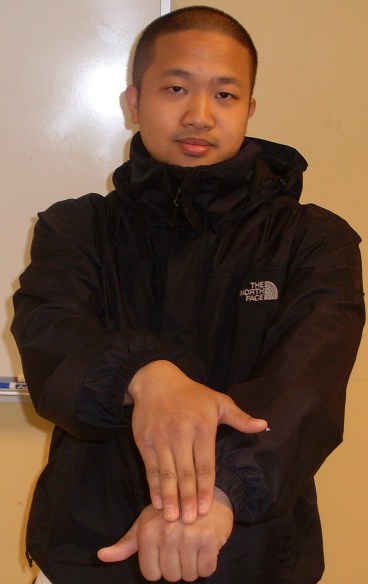
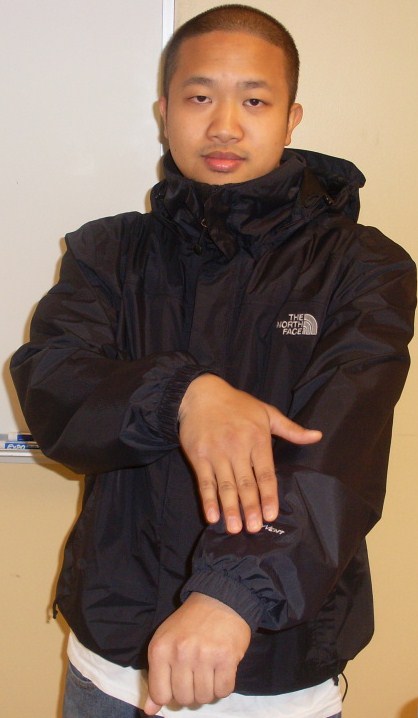
Photos: Rodasmith via Wikimedia Commons, CC BY-SA 3.0
- Set up: Hold one arm out, palm down. Rest your other hand flat on the back of it.
- Draw upward: Slide the top hand slowly from the hand up along the forearm.
- Match the speed: The slower the slide, the more “slow” it means.
This sign performs its own meaning — sign it fast and it stops meaning slow. Make the slide deliberate.
Step-by-Step Photos
Photos: Rodasmith via Wikimedia Commons, CC BY-SA 3.0
When to Use It With Your Child
- At rushed moments: “Slow down” on the stairs, signed calmly, reads better than shouted words.
- With food: Sign it when they are shoveling crackers in too fast.
- In play: Contrast turtle-slow and bunny-fast movements with the sign — opposites teach fastest.
Tips for Success
- Use a calm voice with it — the sign and tone together downshift the energy.
- Petting one arm with the other hand counts as a first version.
- Play slow/fast games with music to make the contrast vivid.
Signs Related to “Slow”
“Fast” (hooked index fingers snapping back) is the natural opposite, and “gentle” often gets taught at the same moments. Manner signs like these become parenting tools as much as vocabulary.
“Slow” belongs to a small set of ASL signs whose speed of production changes their intensity — signed very slowly, it means “very slow.”
Learn more: National Association of the Deaf — ASL resources and advocacy from the National Association of the Deaf.
Frequently Asked Questions
When should I start teaching my baby how to sign slow in ASL?
You can introduce the sign for slow as early as 14–18 months. Babies understand signs before they can produce them, so start modeling it consistently and reward any attempt — even an approximation — with the item or action right away.
How long does it take for a baby to learn to sign slow?
Most babies begin producing a recognizable version of the sign for slow within two to four weeks of consistent daily modeling. Frequency matters more than perfect form at this stage — sign it every time the word comes up naturally in your routine.
Is the ASL sign for slow the same in baby sign language programs?
Yes. Most baby sign language programs teach the authentic ASL sign for slow. Using real ASL rather than invented gestures means your child’s signs will be understood by Deaf signers and build a foundation for learning more ASL as they grow.