
The ASL sign for PLAN moves two flat hands sideways together, palms facing, as if lining things up in order. Families use it for talking about the day ahead, packing for a trip or getting a school project organized.
How to Sign “Plan” in ASL
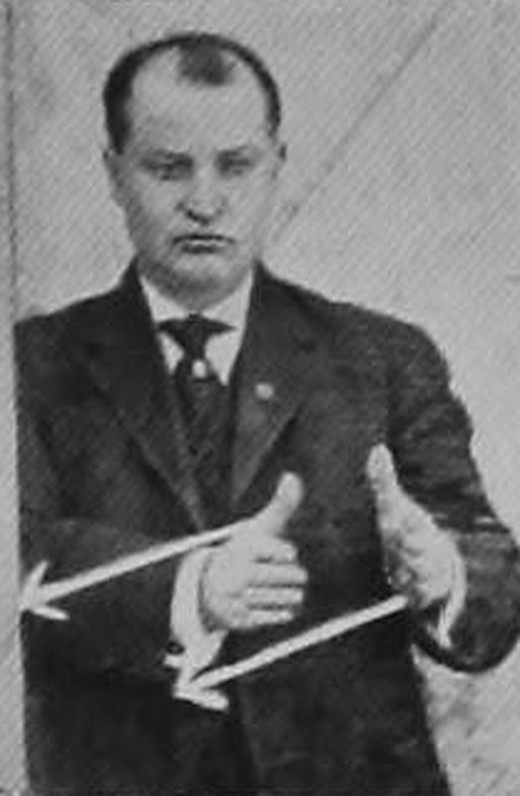
Both flat hands are held apart in front of the body, palms facing each other and fingers pointing forward, with arrows beside them (the 1918 book labels this ARRANGE). The arrows show both hands traveling sideways together while keeping the same distance apart.
Photo: J. Schuyler Long, The Sign Language: A Manual of Signs (1918), public domain, via Internet Archive. The white arrows are original to the book and show the movement.
- Flat hands, palms facing: Hold both flat hands in front of you a few inches apart, palms facing each other and fingers pointing forward.
- Sweep sideways: Move both hands together to the side (to the right if you are right-handed), keeping the gap between them the same.
- Optional bounces: For “planning out” or “getting ready,” add a few small up-and-down dips as the hands travel.
The two hands move as a unit and never touch. The 1918 photo is labeled “Arrange”; modern dictionaries use this same sign for PLAN, PREPARE and ARRANGE.
This photo comes from a 1918 sign language manual. We publish a historical photo only when the sign it shows is the same one used in American Sign Language today.
When to Use It With Your Child
- Morning routine: “Here is our PLAN: breakfast, shoes, then the park.”
- Trips: “Let’s PLAN what to pack for Grandma’s house.”
- Homework: “What is your PLAN for the science project?”
Tips for Success
- Sign it while you lay out the steps of the day with pictures or fingers.
- A child may wave both hands loosely to the side; that is a fine start.
- Use it before transitions so changes feel predictable.
Signs Related to “Plan”