
The ASL sign for tomorrow is a thumb that touches your cheek and then arcs forward, pointing into the future. It helps toddlers and preschoolers learn that some fun things happen after one more sleep.
How to Sign “Tomorrow” in ASL
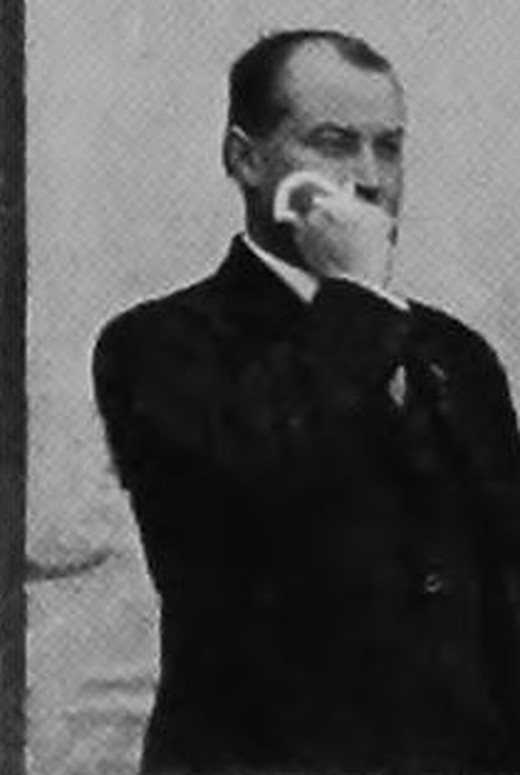
The right hand, closed with the thumb up, is held at the side of the cheek, with an arrow curving forward. The arrow shows the thumb swinging forward from the cheek in a small arc toward the future.
Photo: J. Schuyler Long, The Sign Language: A Manual of Signs (1918), public domain, via Internet Archive. The white arrows are original to the book and show the movement.
- Handshape: Make an A hand: a fist with the thumb resting up along the side.
- Location: Touch the tip of the thumb to your cheek near the jaw, palm facing left.
- Movement: Swing the hand forward in a small arc so the thumb ends pointing ahead.
Forward movement means future in ASL. Moving the thumb back toward the ear makes YESTERDAY instead.
This photo comes from a 1918 sign language manual. We publish a historical photo only when the sign it shows is the same one used in American Sign Language today.
When to Use It With Your Child
- Plans: “Tomorrow we go to the park.”
- Bedtime: Sign it when talking about what happens after sleep.
- Waiting: Sign it when a treat has to wait a day.
Tips for Success
- Toddlers often just push a fist forward from the cheek; accept that.
- Pair it with NIGHT: “one sleep, then tomorrow.”
- Teach it alongside YESTERDAY so the forward-back idea clicks.
Signs Related to “Tomorrow”