How to Communicate With Deaf Customers in Ems Paramedics Settings
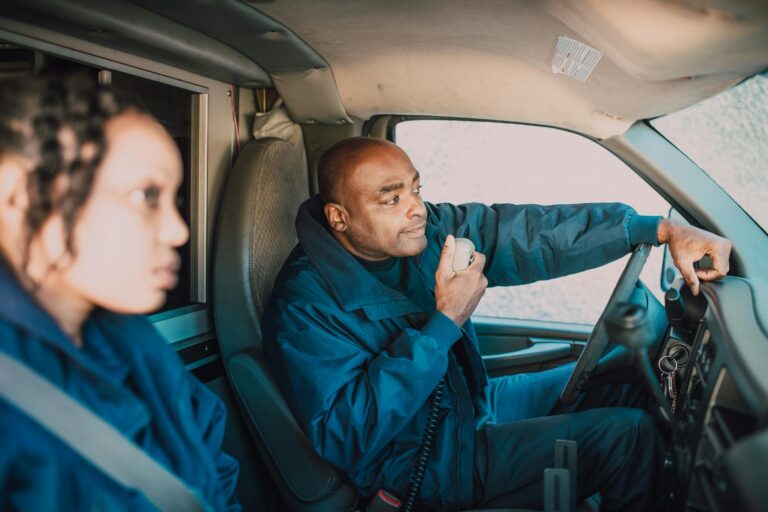
Communicating effectively with deaf patients in EMS settings requires a combination of preparation, flexibility, and respect for individual communication...
How to communicate with Deaf and hard-of-hearing customers across industries – with or without a sign language interpreter. These guides cover practical strategies, common situations, and the small adjustments that make a real difference for every customer interaction.
Communicating effectively with deaf patients in EMS settings requires a combination of preparation, flexibility, and respect for individual communication...

When a deaf person needs to interact with a fire department, they don't simply communicate through lipreading or gestures with whoever answers the door.
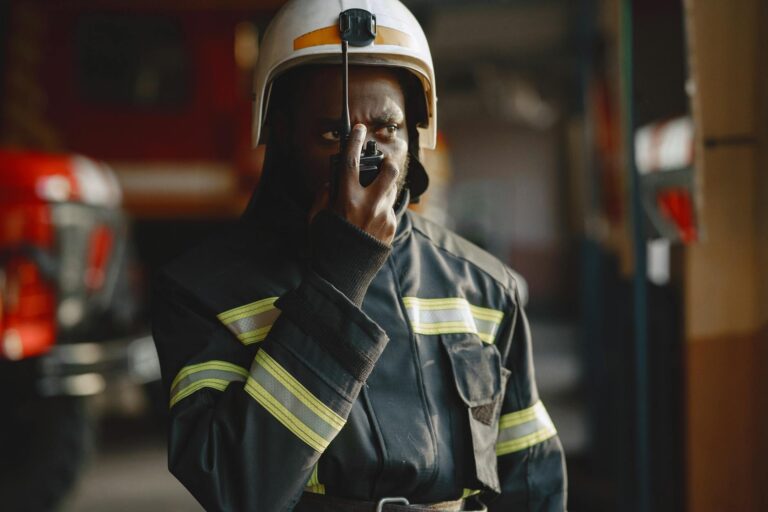
Fire departments must establish clear, effective communication protocols with deaf and hard of hearing customers to ensure equal access to emergency...

Deaf people navigate law enforcement encounters using a combination of written communication, visual aids, relay services, and sometimes family members or...

Communicating with deaf customers in law enforcement settings requires a combination of visual clarity, professional interpreters, and awareness of the...

Deaf individuals navigating social work without an interpreter rely on a combination of written communication, visual aids, and modern technology to...

Communicating effectively with deaf customers in social work settings requires a shift from standard verbal communication to visual and tactile methods...

Deaf people navigate counseling without an interpreter through a combination of written communication, visual aids, lip-reading (when applicable), and...

Communicating with deaf customers in counseling settings requires intentional planning, the right communication methods, and a commitment to accessibility...

Deaf people navigate psychiatry without interpreters through a combination of workarounds, self-advocacy, and often, significant compromise.