How to Communicate With Deaf Customers in Prisons Settings
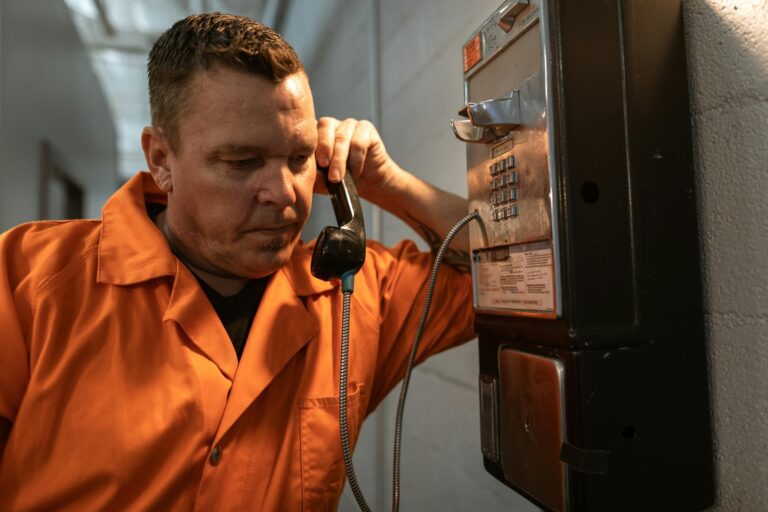
Communicating with deaf customers in prison settings requires a combination of trained sign language interpreters, visual communication tools, and...
How to communicate with Deaf and hard-of-hearing customers across industries – with or without a sign language interpreter. These guides cover practical strategies, common situations, and the small adjustments that make a real difference for every customer interaction.
Communicating with deaf customers in prison settings requires a combination of trained sign language interpreters, visual communication tools, and...

Deaf people navigate law offices without interpreters through a combination of written communication, video remote interpreting (VRI) technology, relay...

Communicating with deaf customers in law offices requires intentional accessibility measures that go far beyond simply speaking clearly.

Deaf individuals navigate courtrooms without interpreters by relying on a combination of accommodation requests, alternative communication methods, and...

Communicating with deaf customers in courtroom settings requires advance planning, qualified interpreters, and understanding of how deaf individuals...

Deaf people navigating border patrol checkpoints face significant communication barriers, but they have legal rights and practical strategies to advocate...

Communicating with deaf customers in Border Patrol settings requires visual clarity, professional interpretation, and a commitment to accessibility that...
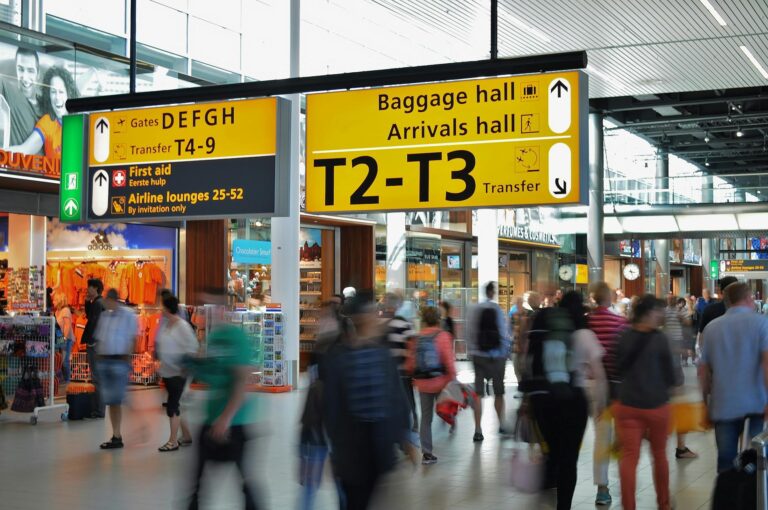
Deaf passengers can navigate TSA airport security without a sign language interpreter by using a combination of communication tools and advance support...
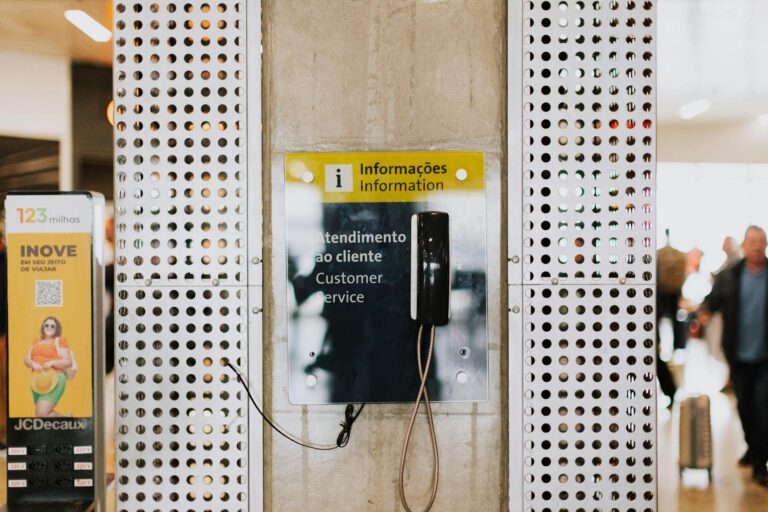
Communicating with deaf customers at TSA airport security checkpoints requires clear planning, advance notice, and awareness of the accommodations...

Deaf people navigate EMS paramedics without an interpreter through a combination of preparation, visual communication tools, written exchanges, and relay...