
Haptic technology is the use of vibrations, pressure, and touch feedback to communicate information through a person’s skin. For deaf users, haptic technology serves as an alternative sensory channel to receive information that would typically be conveyed through sound or spoken language. Rather than hearing an alarm, a phone call notification, or directions, a deaf person wearing a haptic device might feel a pattern of vibrations that communicates the same message. For example, a deaf driver could receive navigation instructions through subtle vibrations on the steering wheel—a short pulse for “turn left” and a longer vibration pattern for “continue straight”—allowing them to understand directions without looking at a screen.
This technology bridges a critical communication gap by translating auditory information into tactile sensations that the skin can perceive. Haptic devices can be worn on the wrist, embedded in gloves, placed on the back, or even built into clothing. The vibration patterns act like a tactile language, where different frequencies, durations, and locations of vibrations carry distinct meanings. For families with deaf children who are learning sign language, haptic technology can complement visual communication methods and provide additional ways to stay connected to the hearing world around them.
Table of Contents
- How Does Haptic Technology Translate Sound Into Touch?
- Types of Haptic Devices and Their Limitations
- Haptic Technology in Real-World Deaf Communication
- Comparing Haptic Technology to Other Communication Methods
- Challenges and Technical Limitations
- Haptic Technology in Emerging Applications
- The Future of Haptic Communication for Deaf Communities
- Conclusion
How Does Haptic Technology Translate Sound Into Touch?
Haptic systems work by converting audio signals or electronic data into patterns of mechanical vibration. At the heart of most haptic devices is a small motor that vibrates at controlled frequencies and intensities. When a sound occurs—such as a doorbell ringing or a speech being delivered—a processor analyzes that sound and generates a corresponding vibration pattern that gets transmitted to the wearer’s skin. The vibration patterns can vary based on pitch, volume, and duration of the original sound. Higher-pitched sounds might translate to faster vibrations, while louder sounds could create more intense or broader patterns across the device.
The technology relies on the skin’s remarkable sensitivity to distinguish between different vibration frequencies and patterns. Human skin contains numerous nerve endings that detect touch and pressure, and these receptors can perceive vibration frequencies ranging from about 10 to 1,000 hertz. Different locations on the body have different sensitivity levels—the fingertips and lips are most sensitive, while the back and arms are somewhat less sensitive but still effective for receiving information. This is why haptic devices are placed strategically on the body to maximize the user’s ability to distinguish between different messages. For instance, a device placed on the wrist can use the inner arm’s sensitivity to communicate more complex information than a device on the back.
Types of Haptic Devices and Their Limitations
There are several forms of haptic technology designed specifically for deaf users. Wristbands are among the most common and accessible options, using a series of small motors arranged around the wrist to create directional vibration patterns. Haptic gloves can communicate more detailed information, with multiple motors positioned across the fingers and palm to represent different elements of communication. Some research has explored full-body haptic suits and vests that can communicate more nuanced information through patterns across larger areas of the body. A comparison worth noting: while haptic technology provides real-time feedback and can communicate basic information effectively, it typically conveys less detailed information than visual sign language or reading text.
A single vibration pattern can indicate “someone is at the door,” but it cannot communicate complex sentences or emotional nuance the way sign language can. One significant limitation is that haptic devices require training and practice to master. Users must learn the “haptic vocabulary”—understanding that a specific vibration pattern means a specific thing—and different manufacturers may use different conventions for their patterns. Additionally, tactile devices can be uncomfortable during extended wear, and the sensation becomes less noticeable if the wearer becomes accustomed to constant stimulation. This phenomenon, called habituation, means that a vibration pattern that feels distinct during the first interaction might become harder to perceive after wearing the device for several hours. Users may need periodic breaks from the device to maintain their sensitivity to the vibrations.
Haptic Technology in Real-World Deaf Communication
In practical applications, haptic technology is being used in several everyday contexts. Many deaf-blind individuals use haptic devices as their primary means of receiving communication, as the technology doesn’t rely on vision or sound. One notable example is the development of haptic belts and vests that can communicate directional information to deaf people in emergency situations. During a fire alarm or emergency alert, the vest can transmit vibration patterns that convey essential safety information and directions to exits.
In educational settings, some schools are experimenting with haptic devices that help deaf students stay aware of their surroundings and receive notifications about class activities without disrupting the signing-based communication that’s primary in those environments. For young children learning sign language, haptic devices offer an interesting supplementary tool. A vibration pattern on the wrist can alert a child to important sounds in their environment—like a caregiver calling their name or a safety hazard like an approaching vehicle. This doesn’t replace sign language but rather complements it by providing additional awareness of environmental sounds that hearing children develop naturally. Parents of deaf children sometimes use haptic technology paired with visual alerts to teach their children about sounds they cannot hear, helping them develop a fuller understanding of how sound functions in the world around them.
Comparing Haptic Technology to Other Communication Methods
Haptic technology fits into a broader toolkit of communication methods for deaf users, each with distinct advantages and tradeoffs. Sign language remains the most comprehensive and emotionally nuanced way for deaf people to communicate complex thoughts and feelings. Written text provides precise information but requires the user to read and cannot convey real-time events. Cochlear implants restore some hearing ability for those who are candidates but involve surgery and are not suitable for everyone.
Haptic technology sits in a different category—it’s excellent for real-time alerts, directional information, and environmental awareness, but it’s limited for conveying complex or emotional content. The practical tradeoff is that haptic devices excel at providing quick notifications and situational awareness. A haptic notification might tell you that your phone is ringing or that someone is calling your name, but it cannot convey who is calling or the tone of their voice. Sign language can communicate all of that information and much more. For families integrating communication methods, haptic technology might be used as one layer of accessibility alongside sign language and visual communication, rather than as a replacement for these established methods.
Challenges and Technical Limitations
Despite its promise, haptic technology faces several technical challenges that limit its current usefulness. One major issue is the difficulty in standardizing vibration patterns across different devices and manufacturers. Without agreed-upon standards, users learning one device’s “language” cannot easily switch to another brand’s product, creating a fragmented landscape where learning becomes a barrier to adoption. Additionally, weather conditions and body factors affect perception—if a user is wearing thick clothing, the vibrations become less distinct, and if the user’s skin is very sensitive or has reduced sensation (common in aging or certain medical conditions), the device may not be effective.
Battery life is another practical limitation. Most haptic devices rely on rechargeable batteries, and constant vibration is power-intensive. A haptic device might only operate for 8 to 12 hours before needing to recharge, which can be problematic for users who need continuous awareness of their environment throughout the day and night. Furthermore, the cost of many haptic devices remains high, making them inaccessible to many deaf families. While prices are gradually decreasing as the technology becomes more common, specialized haptic communication devices often cost several hundred dollars, putting them out of reach for families with limited resources.

Haptic Technology in Emerging Applications
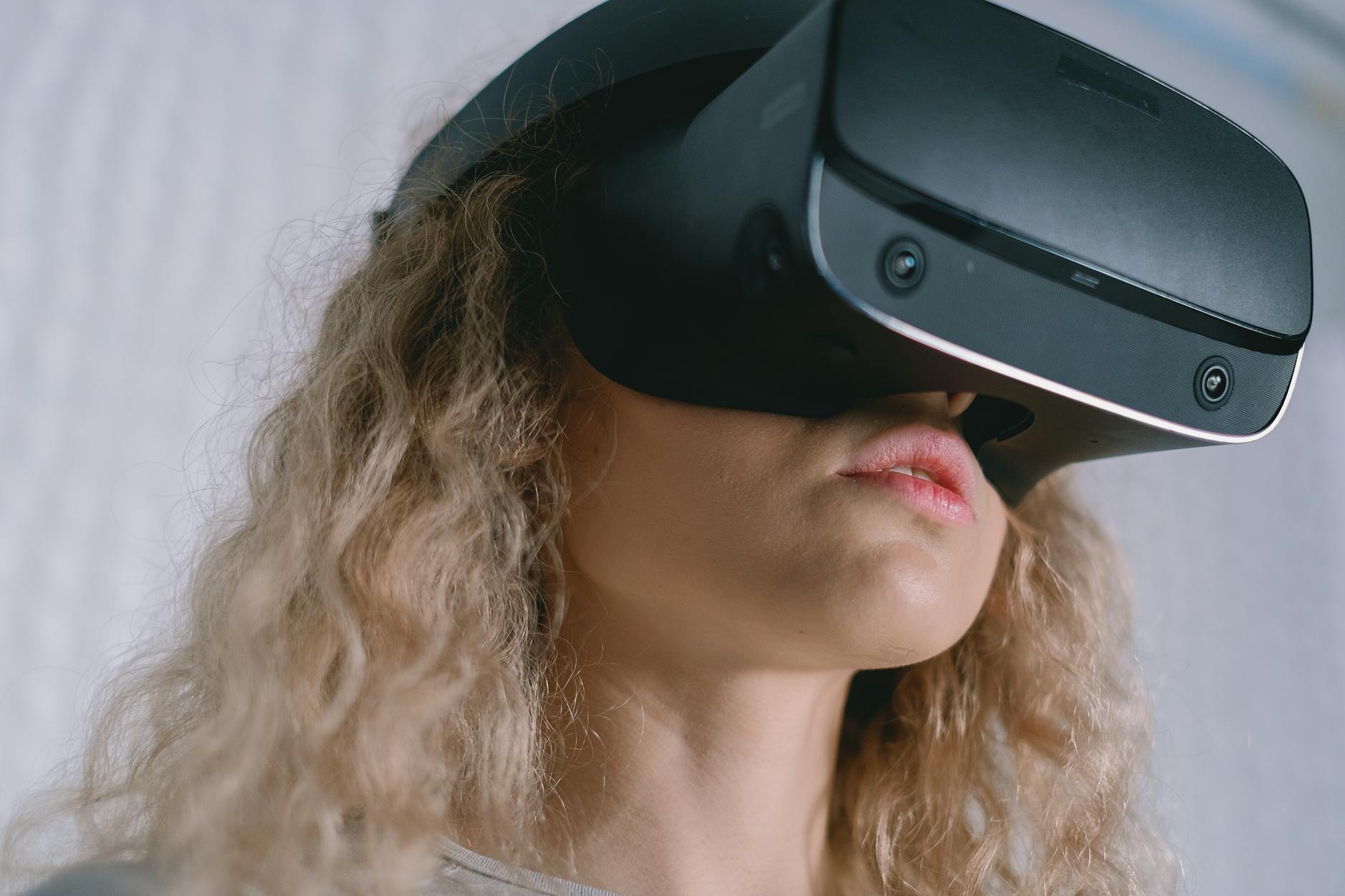
Emerging research is expanding the possibilities for haptic communication. Virtual reality and augmented reality applications are beginning to incorporate haptic feedback, opening new possibilities for deaf users to experience immersive environments with tactile information. Developers are working on haptic feedback systems for virtual sign language instruction, where a student could feel the vibrations corresponding to different hand movements in sign language, potentially creating a new way to learn.
Some research teams are also exploring how haptic patterns could eventually communicate more complex linguistic information, moving beyond simple alerts toward more sophisticated communication capabilities. Wearable technology companies are integrating haptic feedback into smartwatches and fitness trackers, which means haptic functionality is becoming more mainstream and affordable. As these devices become more ubiquitous, the potential for customization increases—users could theoretically program their own vibration patterns or adapt existing patterns to their personal preferences and needs.
The Future of Haptic Communication for Deaf Communities
The trajectory of haptic technology suggests continued development and improvement in the coming years. As processing power becomes faster and cheaper, haptic devices will likely become more sophisticated, offering richer and more nuanced vibration patterns that can communicate more information. Standardization efforts are underway in research institutions and tech companies, which should eventually create a more cohesive ecosystem where users can switch between devices more easily.
The integration of artificial intelligence could enable haptic systems to learn individual users’ preferences and adapt patterns over time, making the experience more personalized and effective. For deaf children and families, the long-term vision includes haptic technology as a complementary tool within a rich communication environment that includes sign language, written communication, and visual methods. As the technology matures, it may provide new forms of environmental awareness and connection that enhance rather than replace the communication methods already central to deaf communities. The key to the technology’s success will be ensuring it’s developed with input from deaf users themselves, so that innovations address real needs rather than imposing solutions from outside.
Conclusion
Haptic technology offers a genuinely useful alternative communication channel for deaf users by translating vibrations and touch patterns into information-carrying signals. Unlike sound-based systems, haptic communication works entirely through the skin’s sensitivity to vibration, making it accessible to people who cannot hear. The technology is practical for real-time alerts, directional information, and environmental awareness, though it’s not yet capable of conveying the emotional depth and linguistic complexity that sign language provides.
For families with deaf children learning sign language, haptic technology represents one emerging tool among many, potentially enhancing communication and safety without replacing the visual and linguistic foundations of deaf culture. As the technology develops, improves in affordability, and becomes standardized, it will likely play an increasingly important role in the broader ecosystem of communication methods available to deaf communities. The most promising future lies in integration—using haptic devices as one layer of accessibility alongside sign language, visual communication, and other established methods that put deaf individuals in control of their own communication experiences.