
Deaf athletes know when the starting gun fires through visual light signals instead of sound—a system using color-coded flashing lights that provide fair, simultaneous signals to all competitors. Rather than relying on hearing the shot, deaf runners, swimmers, and other track and field athletes watch a bright light display that begins with red (on your marks), transitions to yellow (get set), and flashes green (go), allowing them to start at exactly the right moment just like their hearing counterparts. For example, at international competitions like the 2013 Summer Deaflympics in Sofia, this light-based starting system gave deaf athletes the same competitive advantage as hearing athletes receive from the auditory starting signal—eliminating the unfair delays and disadvantages they faced for decades.
This wasn’t always the case. Historically, deaf athletes had to detect the starting shot through unreliable methods like watching for the flash or smoke from the gun, feeling ground vibrations, or waiting for officials to wave flags after hearing the shot. These workarounds created time delays of up to several tenths of a second and forced athletes into disadvantageous starting positions, making fair competition nearly impossible. Today’s electronic light-based systems represent a major advancement in accessibility and equality in sports.
Table of Contents
- What Was Wrong With the Old Methods for Deaf Athletes?
- How Modern Electronic Light Signals Changed Everything
- How Deaf Athletes Experience Light-Based Starting Systems in Swimming and Track
- Understanding the Technical Requirements for Fair Light-Based Starts
- What Happens When Light Systems Aren’t Available?
- The Role of Deaf Coaches and Athletes in Improving Systems
- The Future of Accessible Starting Systems and Deaf Athletics
- Conclusion
What Was Wrong With the Old Methods for Deaf Athletes?
For most of track and field’s history, deaf athletes had no standardized way to know when races actually started. Some relied on carefully watching the starting pistol for a flash or smoke, but lighting conditions, distance, and angle all affected what they could see—and they’d invariably start a fraction of a second later than hearing athletes. Others depended on ground vibrations from the gun’s blast, though this method was unreliable outdoors and completely ineffective in some settings like swimming pools. The most common workaround involved an official standing near the start line who would watch for the gun flash or listen for the shot, then frantically wave a flag to signal the deaf athletes to begin racing.
The problem with flag signals was obvious: even the fastest official reaction time added a delay of a tenth of a second or more, putting deaf athletes at a measurable competitive disadvantage. Compare this to hearing athletes, who react to the sound instantaneously—research shows that the typical human reaction time to an auditory signal is faster than reaction time to a visual signal like a flag. This meant deaf athletes weren’t just facing a different starting method; they were facing a genuinely unfair system that made winning against hearing competitors extremely difficult, even for the fastest athletes. This inequality prompted sports organizations worldwide to develop better solutions.

How Modern Electronic Light Signals Changed Everything
In response to decades of inequality, World Athletics and other governing bodies developed electronic light-based starting systems specifically designed for deaf athletes. These systems replace the traditional sound-based starting pistol with a bright, color-coded lamp that all athletes can see simultaneously. The lamp works in three distinct stages: a red light tells athletes to get “on your marks,” a yellow light signals “get set,” and finally a green light flashes to mean “go”—the exact same sequence hearing athletes experience through spoken commands, but transmitted visually instead. The key advantage of this system is simultaneity.
Unlike flag signals that require an official to react and then signal, electronic light systems are triggered at exactly the same instant for all competitors, whether they’re in lane one or lane eight. The system has been officially approved by World Athletics guidelines, which allow the use of lights at the start for deaf-only athletes without considering it an unfair advantage or special assistance. This official recognition means deaf athletes competing in international events like the Deaflympics can use the light system without controversy or penalty. However, one limitation of early light systems was that they were sometimes not bright enough in outdoor daylight conditions or didn’t provide clear enough visual signals from all positions on the track, which is why ongoing refinement of the technology remains important.
How Deaf Athletes Experience Light-Based Starting Systems in Swimming and Track
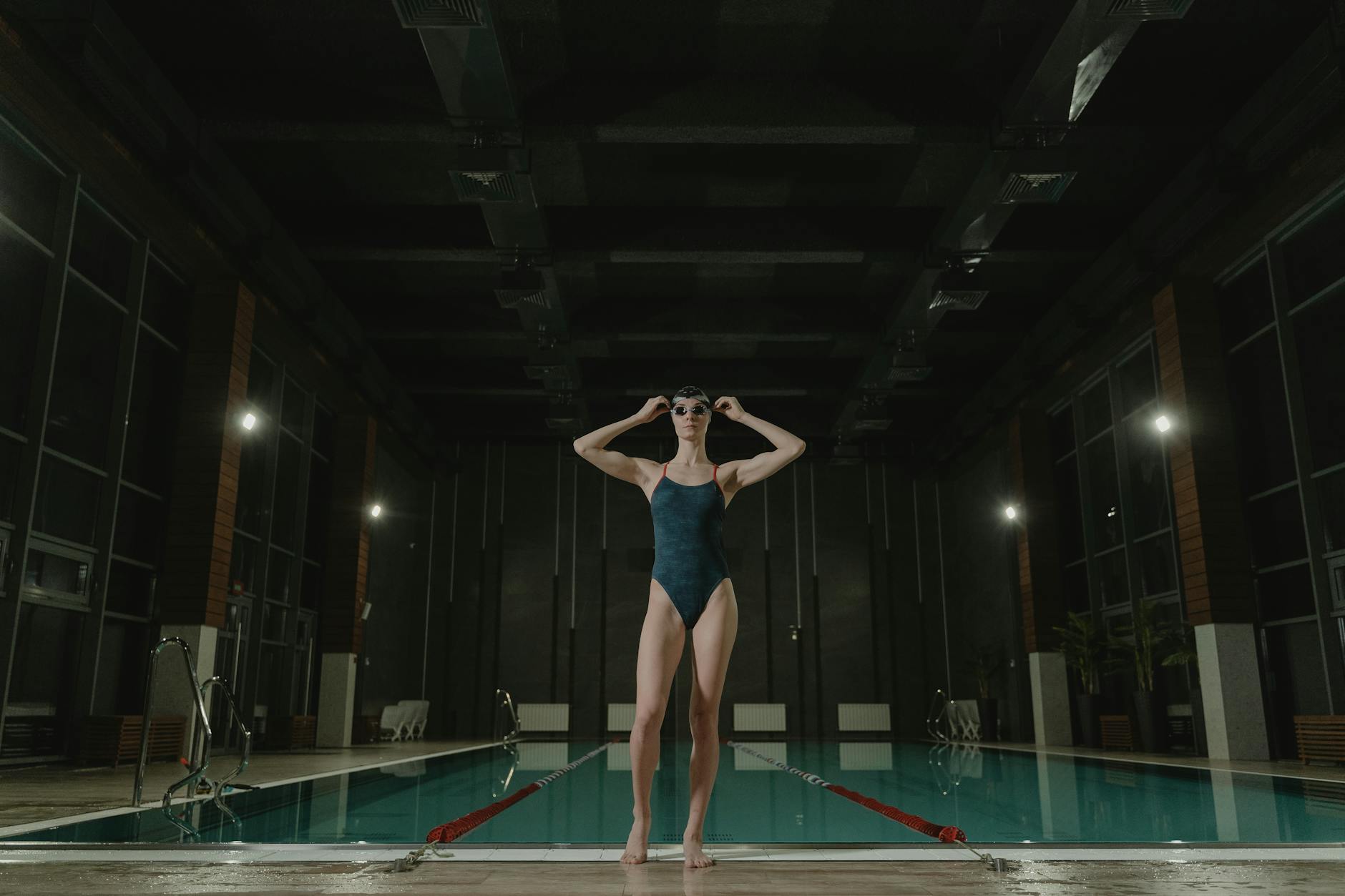
Different sports have adapted light-based starting systems in different ways. In track and field, the three-stage color-coded light system is standard at major deaf competitions. But in swimming, the adaptation looks slightly different: high-level swim meets for deaf competitors use electronic time result boards connected to light flashers that are synchronized with the starting pistol. This means when the official fires the starting pistol (which the hearing swimmers hear), a bright light simultaneously flashes for deaf swimmers, giving them the exact same auditory-to-visual translation and ensuring no delay.
The 2009 Summer Deaflympics in Taipei and the 2013 Summer Deaflympics in Sofia both used sophisticated electronic light starting systems for all their track events. Athletes at these games reported that the visual starting signals were clear, fair, and allowed them to compete at their highest level without worrying about timing disadvantages. The systems were tested extensively to ensure the lights were bright enough, the color transitions happened at the right intervals, and all athletes could see the signals regardless of their position on the track or their individual vision abilities. This real-world implementation proved that technology could solve a problem that had plagued deaf athletics for over a century.
Understanding the Technical Requirements for Fair Light-Based Starts
For a light-based starting system to be truly fair, it has to meet strict technical standards. The light must be bright enough to be visible in all weather conditions and times of day, the color transitions must happen in a precise sequence with no delays or glitches, and every athlete must be able to see it equally. This is why modern systems are electronic and automated rather than manual—human error is eliminated, and the timing is controlled by computers that can ensure perfect synchronization across all athletes simultaneously. The comparison between light-based and sound-based starting systems reveals interesting accessibility differences.
A hearing athlete in lane eight hears the starting gun at the exact same moment as an athlete in lane one, because sound travels fast enough that the delay is imperceptible. Similarly, a light-based system must flash all athletes’ lights at exactly the same microsecond. The tradeoff is that light systems are more expensive to install and maintain than traditional starting pistols, and they require more equipment and setup. But the investment is worth it because it finally creates true equality—deaf athletes competing under the exact same conditions as their hearing peers, with the same reaction time expectations and the same fair shot at victory.
What Happens When Light Systems Aren’t Available?
Not every athletic event has access to modern electronic light systems, which represents a real limitation in deaf sports accessibility. Smaller competitions, school-level events, or competitions in countries without the resources to invest in specialized starting equipment may still rely on older methods like flags or vibration signals. This creates an uneven playing field where deaf athletes at well-funded international competitions benefit from cutting-edge technology, while deaf athletes at local or regional meets might still face the old disadvantages.
Additionally, there’s a warning about assuming all deaf athletes experience light signals the same way. While most deaf people rely primarily on vision, some deaf athletes have additional vision impairments or visual processing differences that might affect how clearly they perceive the light signal from different positions on the track. Sports organizations have had to learn that “visual accommodation” isn’t one-size-fits-all and that athletes might need individualized adjustments, such as positioning the light in a specific location, ensuring adequate brightness, or providing additional visual cues. This ongoing learning process shows that even modern systems require attention and refinement to truly serve all athletes equitably.

The Role of Deaf Coaches and Athletes in Improving Systems
Deaf athletes and coaches have been instrumental in designing and refining light-based starting systems because they understand firsthand what works and what doesn’t. Their input has led to innovations like placing lights at eye level for better visibility, using multiple light sources to ensure coverage across the entire starting line, and testing systems in different lighting conditions to confirm reliability.
When deaf coaches work alongside engineers and sports officials, the resulting systems are far more effective than those designed without that lived experience. For example, deaf sprinters competing at the Deaflympics provided feedback that led to improvements in light brightness and positioning. Their expertise ensured that the systems deployed at the 2013 Sofia games were more refined than those used just four years earlier in other events, showing how continuous collaboration and iteration improve accessibility in sports.
The Future of Accessible Starting Systems and Deaf Athletics
As technology continues to advance, starting systems for deaf athletes will likely become even more sophisticated and reliable. Researchers are exploring ways to make light signals more visible in extreme conditions, developing wearable vibration systems as backup options, and creating systems that can accommodate athletes with varying visual abilities.
The progress made in the last two decades—moving from flag signals to electronic light systems—demonstrates that when accessibility is taken seriously, real innovation happens. The story of how deaf athletes know when races start is ultimately a story about persistence, advocacy, and the power of technology to create fairness. What was once a major disadvantage—being unable to hear the starting gun—has been transformed into a standardized, equitable system that allows deaf athletes to compete with confidence and equality on the world’s biggest stages.
Conclusion
Deaf athletes today know when races start by watching color-coded electronic light signals instead of hearing a starting gun. This modern system—with red, yellow, and green light sequences—ensures that deaf competitors receive simultaneous, fair starting signals just like their hearing counterparts, eliminating the delays and disadvantages that plagued deaf athletics for decades.
The system was officially approved by World Athletics and has been successfully implemented at international competitions like the Deaflympics. The evolution from old flag-waving methods to today’s electronic light systems shows how accessibility improvements benefit everyone by creating fairer, more standardized competition. For families learning sign language, understanding how deaf athletes overcome barriers in sports is a powerful example of resilience, innovation, and the importance of inclusive design.