
Deaf users navigate voice-activated fast food ordering systems primarily by avoiding them entirely—ordering at counters with staff, using written communication, or requesting alternative ordering methods. Since these systems rely exclusively on hearing spoken language, they create an impassable barrier for deaf and hard-of-hearing customers.
Most deaf people don’t use voice ordering at drive-thrus or kiosks; instead, they work around these systems through workarounds that require extra effort and time. For families raising deaf children, understanding these barriers matters because it reflects broader communication accessibility challenges your child will encounter throughout their life. Voice-activated ordering represents a real-world accessibility gap that families should know about, and it demonstrates why sign language rights and communication accommodations are essential in daily spaces.
Table of Contents
- Why Voice-Activated Systems Are Inaccessible to Deaf Users
- The Accessibility Barriers Beyond Voice Input
- How Deaf Users Actually Order at Fast Food Restaurants
- Restaurants Making Better Accessibility Choices
- Frustrations and Persistent Limitations
- Technology Solutions and Accessibility Apps
- The Future of Fast Food Accessibility
- Conclusion
Why Voice-Activated Systems Are Inaccessible to Deaf Users
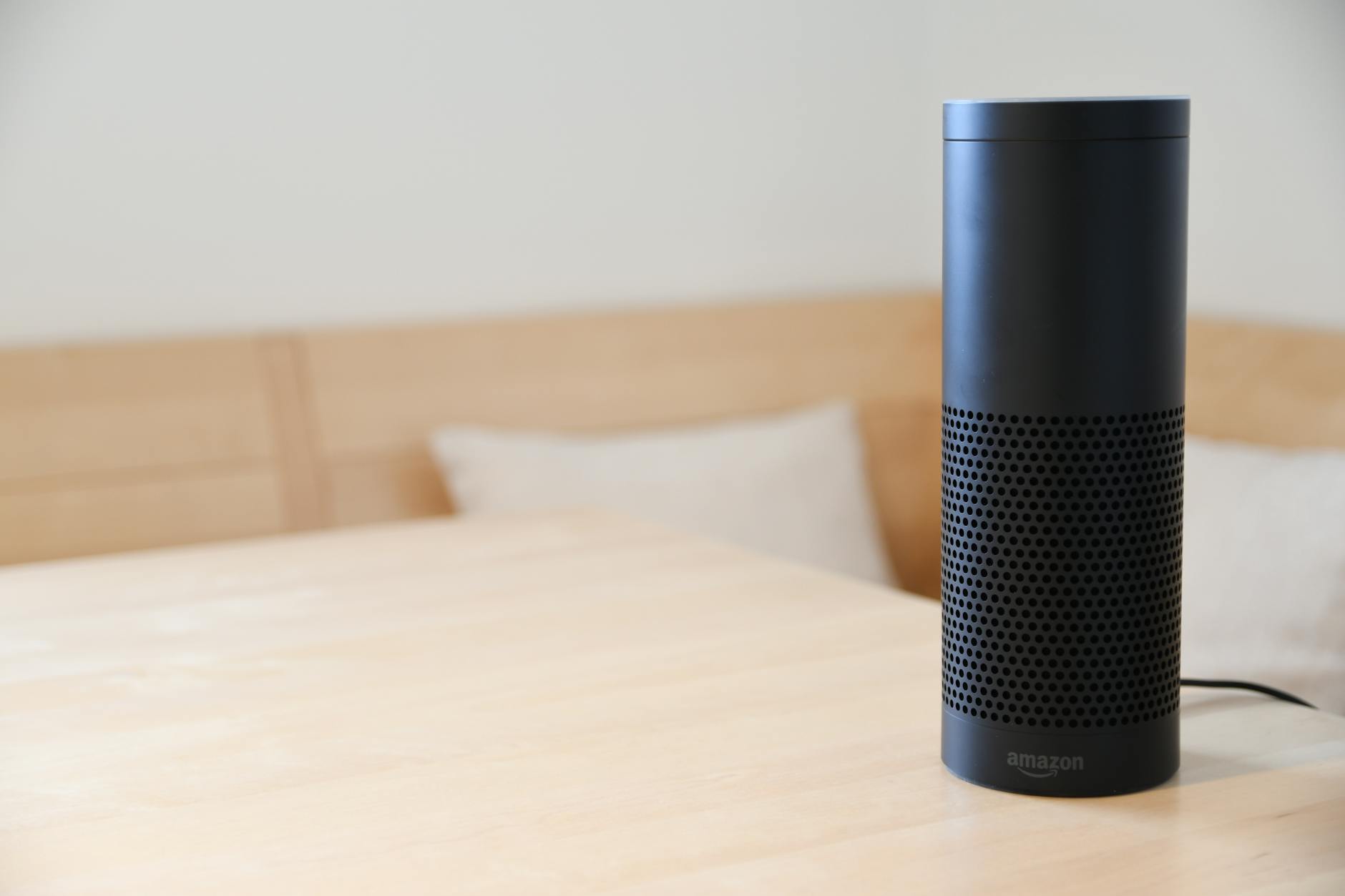
Voice-activated drive-through ordering and in-restaurant kiosks present a fundamental accessibility problem: they require users to speak and often to hear spoken responses. A deaf person cannot provide the verbal input these systems need, and even with hearing aids or cochlear implants, many deaf individuals prefer not to rely on speech for ordering. The technology assumes all customers can participate in verbal communication, making it impossible for deaf users to interact with the system independently. This isn’t a minor inconvenience—it’s exclusion.
When McDonald’s, Wendy’s, or Chick-fil-A install voice ordering systems as their primary or preferred ordering method, they’re essentially telling deaf customers that the quick, efficient ordering process isn’t for them. A hearing person can pull up to a drive-through and complete an order in 30 seconds. A deaf person either has to enter the restaurant (adding steps and time), find a hearing companion, or use their phone to call the restaurant. The technology behind voice ordering assumes a one-size-fits-all customer base, but real accessibility requires building in alternatives from the start, not as an afterthought.
The Accessibility Barriers Beyond Voice Input
Voice-activated systems create barriers at multiple points: the input (speaking your order), the confirmation (hearing the system repeat your order back), and the pickup signal (hearing your name called). Even the drive-through speaker system is often difficult for hard-of-hearing people to use due to poor audio quality and background noise. A deaf customer needs visual alternatives at every step, but most voice systems provide none. Some restaurants have added visual confirmation screens in drive-thrus to show your order, which helps, but this improvement is inconsistent across chains and locations.
Many drive-thrus still lack this feature entirely. Additionally, drive-through speaker systems were never designed for accessibility; they’re typically low-quality audio in a noisy environment, making them difficult even for some hard-of-hearing people who can hear but struggle with distorted sound. The real limitation here is that accessibility wasn’t considered during design. These systems were built for speed and efficiency for hearing customers, with no thought given to how deaf or hard-of-hearing people would use them.
How Deaf Users Actually Order at Fast Food Restaurants
Most deaf customers order by walking into the restaurant and ordering at the counter, where they can communicate with staff face-to-face, use written notes, or rely on sign language interpreters if available. This works but requires entering the building—no drive-through convenience. Some deaf people use text-to-speech or speech-to-text apps on their phones to communicate with staff, though this approach varies in effectiveness depending on how receptive staff are to this method. A real-world example: A deaf parent taking their deaf child through a drive-through might pull to the speaker, remain silent, and when nothing happens, drive around to the counter.
This adds time and inconvenience compared to a hearing family using the same restaurant. Some restaurants allow phone orders, which is helpful since phone relay services and video relay services (VRS) exist, but not all restaurants promote or support these ordering methods. Others have found that texting ahead or using restaurant apps—when available—provides the most control and clarity. However, this requires forethought and doesn’t solve the spontaneous meal scenario.
Restaurants Making Better Accessibility Choices
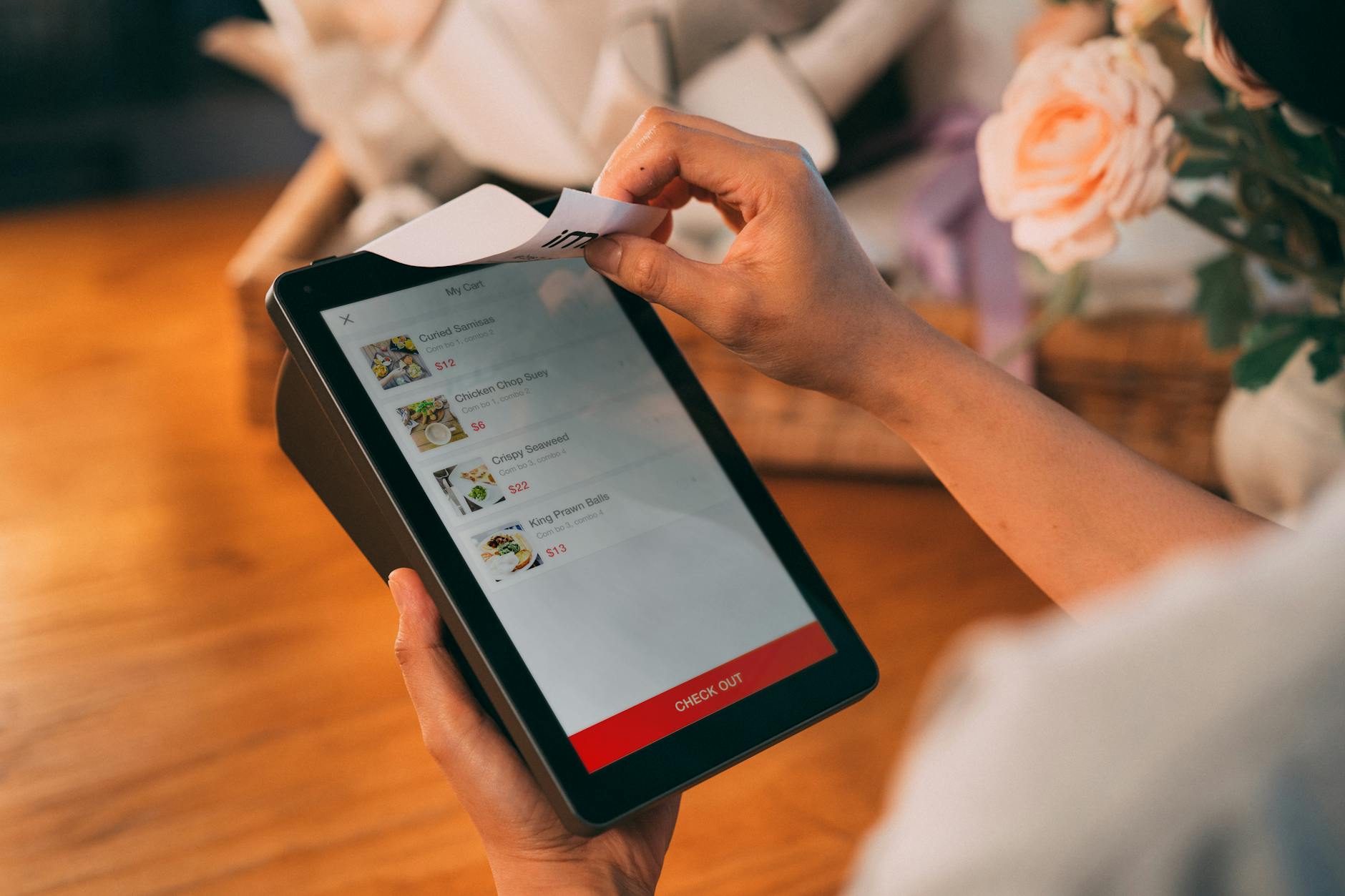
A few restaurant chains have begun addressing this gap. Some locations offer drive-through ordering via text or app, eliminating the voice component entirely. Panera Bread, Chipotle, and some McDonald’s locations have invested in ordering apps and digital kiosks inside restaurants where customers can place orders on tablets or screens without speaking. The trade-off is clear: digital, text-based ordering is actually faster and more accurate than voice for many customers, deaf or hearing.
Yet many chains haven’t prioritized these alternatives across all locations. Chick-fil-A has made some progress with in-restaurant digital ordering but has been slower to implement accessible drive-through solutions. Comparing two major chains illustrates the point: restaurants that offer app-based ordering create genuine accessibility, while those that rely primarily on drive-through voice systems do not. The best accessibility isn’t a special accommodation for deaf customers—it’s a better system for everyone.
Frustrations and Persistent Limitations
Despite some progress, significant gaps remain. Many fast food locations still rely on drive-through voice ordering as the primary or only quick-service option. Employees aren’t always trained to recognize accessibility needs or to offer alternatives without being asked. A deaf customer might have to explain their communication method multiple times or encounter frustration from staff unfamiliar with assisting deaf people.
A limiting factor is cost. Implementing accessible digital ordering across an entire restaurant chain requires investment, and many franchises haven’t made this a priority. Small, independent fast food restaurants are especially unlikely to have alternatives to voice ordering. Additionally, not all people have access to smartphones or reliable internet, so digital ordering doesn’t solve the problem for everyone—some deaf users still need in-person or relay service options that aren’t always available.

Technology Solutions and Accessibility Apps
Video relay services (VRS) provide one technological solution: a deaf person can use a relay interpreter over video to communicate their order to restaurant staff. However, this requires the restaurant to accommodate video calling, and many won’t. Some restaurants have begun experimenting with text chat services or video call ordering, which works through VRS but only if intentionally offered.
Ordering apps have emerged as the most practical technology solution. Apps allow text-based communication and eliminate the need for voice entirely. Unfortunately, not all restaurants offer apps, and when they do, these tools aren’t always promoted as accessibility features. A deaf user can order Uber Eats, DoorDash, or Grubhub and have food delivered, bypassing the restaurant’s ordering system entirely—but that adds delivery costs and time.
The Future of Fast Food Accessibility
The trajectory is slowly shifting toward more accessible systems, driven partly by legal pressure and partly by market recognition that digital ordering benefits everyone, not just deaf customers. As restaurants invest in delivery apps and digital ordering for efficiency, accessibility improves as a side effect. Gen Z customers expect digital and mobile-first options, which aligns with accessibility needs.
However, progress remains uneven. Legal requirements under the Americans with Disabilities Act exist, but enforcement is spotty, and many restaurants operate without facing serious consequences for inaccessible ordering systems. Advocacy from deaf communities and disability rights organizations continues to push for change, but meaningful accessibility at the drive-through—the place where millions of people get food quickly—remains an unfinished problem.
Conclusion
Deaf users navigate voice-activated fast food ordering by finding ways around it: entering the restaurant, using apps, relying on relay services, or asking hearing companions for help. None of these workarounds are as convenient as pulling up to a drive-through window, but they’re what deaf people have learned to do in a system designed without them in mind. For families with deaf children, this is a practical reality worth understanding—not as a limitation of deaf people, but as a failure of accessibility planning.
The good news is that better solutions exist and are improving. Digital ordering, visual systems, and text-based communication don’t require special effort—they’re simply better design that happens to be accessible. As restaurants continue modernizing their ordering systems, accessibility can be built in from the beginning rather than added as an afterthought. Until then, deaf families will continue to navigate these systems through the workarounds they’ve developed over decades.