Toddler Sign Language Explained: Handshape, Movement, and Daily Use

Learn to recognize toddler sign approximations, teach useful signs in routines, and know when extra support matters.
Step-by-step ASL guides for the signs babies and toddlers learn first – eat, drink, more, please, milk, sleep, and dozens more. Each guide shows the exact handshape and motion with real photos, plus the age window when most children pick up the sign.
Learn to recognize toddler sign approximations, teach useful signs in routines, and know when extra support matters.

Learn a simple routine for teaching useful baby signs, recognizing early attempts, and setting realistic expectations.
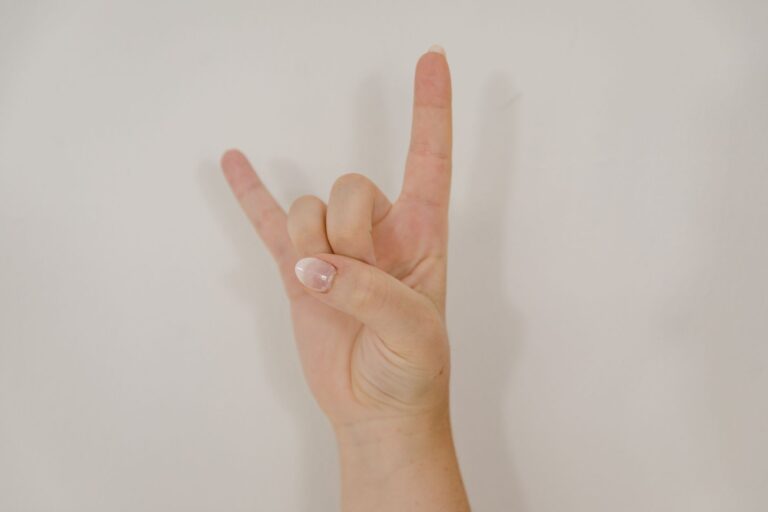
Learn when your baby may be ready to sign, which gestures to choose, and how to practice without pressure.

Official pediatric, educational, and deaf advocacy organizations publish free, research-backed sign language resources for families and early educators.
A major 2026 study challenges widespread claims about baby sign language boosting vocabulary, while policy investments in Catalonia signal shifting priorities.

Real savings in toddler sign language come from matching your family's commitment level to proven programs, not from chasing exaggerated discounts.

Policy frameworks for toddler sign language remain fragmented, creating confusion about access rights and educational options across districts.

Before enrolling in sign language classes or buying apps, families need to clarify what they actually want from sign language and whether all caregivers will consistently support it.

Six months isn't a deadline—it's the threshold where a deaf toddler's brain can acquire sign language at the speed of a native speaker.
Early sign language exposure prevents permanent neurological damage in deaf toddlers and costs far less than managing language deprivation later.