Baby Sign Language Guide: How Parents Can Teach It Step by Step

Learn a simple routine for teaching useful baby signs, recognizing early attempts, and setting realistic expectations.
Looking up an ASL sign? This dictionary covers thousands of everyday English words – from common nouns to action verbs – with the handshape, motion, and meaning for each. Use it as a quick reference for parents teaching baby sign language, students learning American Sign Language, or anyone who needs the ASL sign for a specific word.
Learn a simple routine for teaching useful baby signs, recognizing early attempts, and setting realistic expectations.
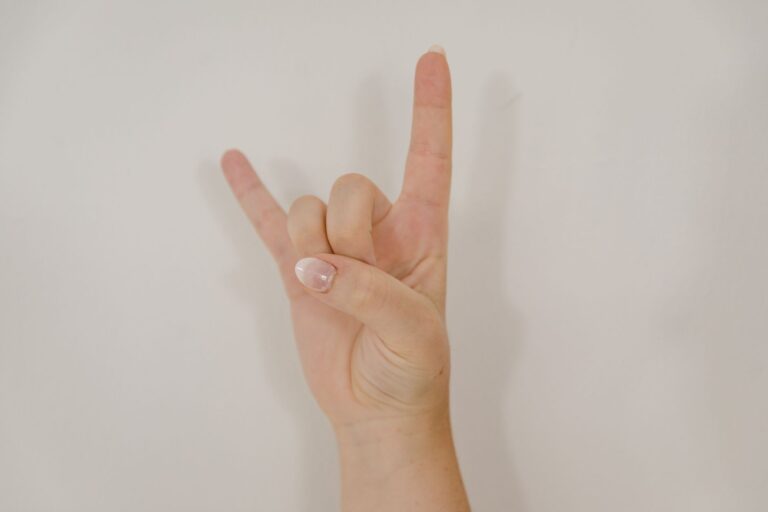
Learn when your baby may be ready to sign, which gestures to choose, and how to practice without pressure.

Official pediatric, educational, and deaf advocacy organizations publish free, research-backed sign language resources for families and early educators.
A major 2026 study challenges widespread claims about baby sign language boosting vocabulary, while policy investments in Catalonia signal shifting priorities.

Real savings in toddler sign language come from matching your family's commitment level to proven programs, not from chasing exaggerated discounts.

Policy frameworks for toddler sign language remain fragmented, creating confusion about access rights and educational options across districts.

Before enrolling in sign language classes or buying apps, families need to clarify what they actually want from sign language and whether all caregivers will consistently support it.

Six months isn't a deadline—it's the threshold where a deaf toddler's brain can acquire sign language at the speed of a native speaker.
Early sign language exposure prevents permanent neurological damage in deaf toddlers and costs far less than managing language deprivation later.

Sign language access for toddlers varies sharply by location, with some U.S. cities expanding ASL programs while many communities lack trained educators.