Baby Sign Language Communication Tips Checklist: Modeling, Repetition, and Progress

Use this checklist to choose practical signs, repeat them naturally, and recognize meaningful communication progress.
Use this checklist to choose practical signs, repeat them naturally, and recognize meaningful communication progress.

Use a practical checklist to model infant signs, build consistency, recognize progress, and avoid claims about faster speech.
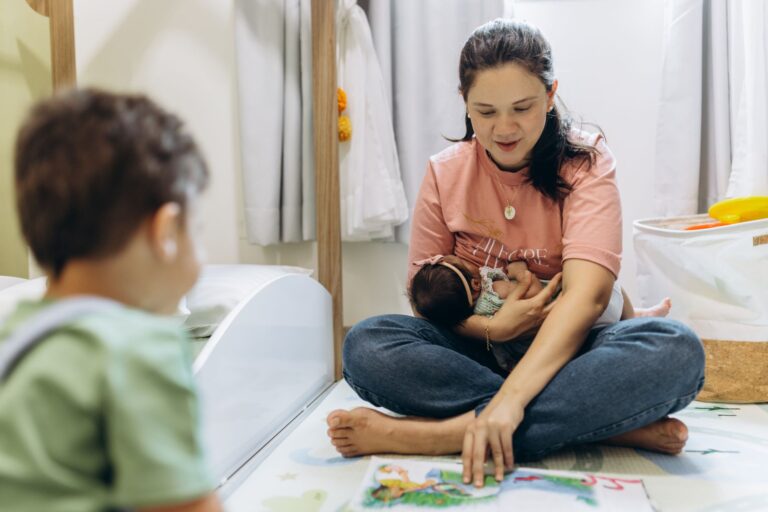
Turn snacks, bubbles, books, baths, and bedtime into low-pressure chances for your baby to learn and use practical signs.
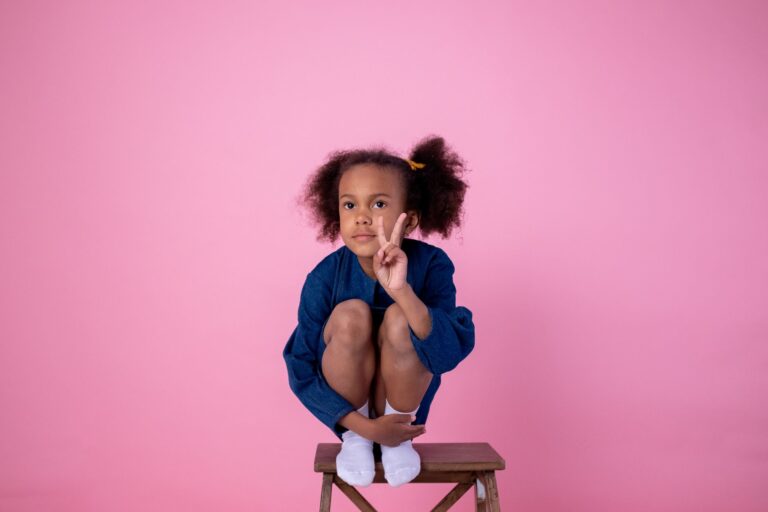
Learn to recognize toddler sign approximations, teach useful signs in routines, and know when extra support matters.

Learn a simple routine for teaching useful baby signs, recognizing early attempts, and setting realistic expectations.

Learn when your baby may be ready to sign, which gestures to choose, and how to practice without pressure.

Official pediatric, educational, and deaf advocacy organizations publish free, research-backed sign language resources for families and early educators.
A major 2026 study challenges widespread claims about baby sign language boosting vocabulary, while policy investments in Catalonia signal shifting priorities.

Real savings in toddler sign language come from matching your family's commitment level to proven programs, not from chasing exaggerated discounts.

Policy frameworks for toddler sign language remain fragmented, creating confusion about access rights and educational options across districts.