Essential ASL Signs Every Fire Departments Worker Should Learn

Fire department workers should learn essential ASL signs to communicate effectively with members of the Deaf and hard-of-hearing community during...
Fire department workers should learn essential ASL signs to communicate effectively with members of the Deaf and hard-of-hearing community during...

Deaf people navigate law enforcement encounters using a combination of written communication, visual aids, relay services, and sometimes family members or...
Law enforcement agencies are legally required under the Americans with Disabilities Act (ADA) to provide American Sign Language (ASL) interpreters and...
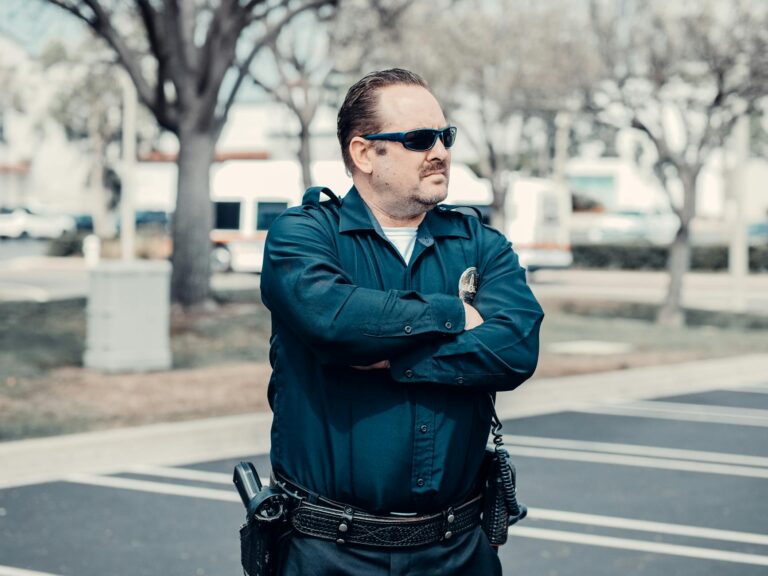
Law enforcement employees need basic ASL training because deaf and hard of hearing individuals are at significant risk during police interactions when...

Communicating with deaf customers in law enforcement settings requires a combination of visual clarity, professional interpreters, and awareness of the...

Law enforcement workers interact with the public daily, and a growing number of those interactions involve deaf or hard of hearing individuals who use...

Deaf individuals navigating social work without an interpreter rely on a combination of written communication, visual aids, and modern technology to...

Social work businesses serving Deaf and hard of hearing clients must provide American Sign Language (ASL) interpretation or other qualified communication...

Social workers need basic ASL training in 2026 because it directly impacts their ability to serve deaf and hard-of-hearing clients with dignity and...

Communicating effectively with deaf customers in social work settings requires a shift from standard verbal communication to visual and tactile methods...