Essential ASL Signs Every Probation Offices Worker Should Learn

Probation officers working with parents and families increasingly encounter deaf or hard of hearing individuals.
Probation officers working with parents and families increasingly encounter deaf or hard of hearing individuals.

Deaf individuals navigating the juvenile detention system without an interpreter face profound communication barriers that can undermine their legal...

The Americans with Disabilities Act (ADA) requires juvenile detention facilities to provide qualified American Sign Language (ASL) interpreters and...
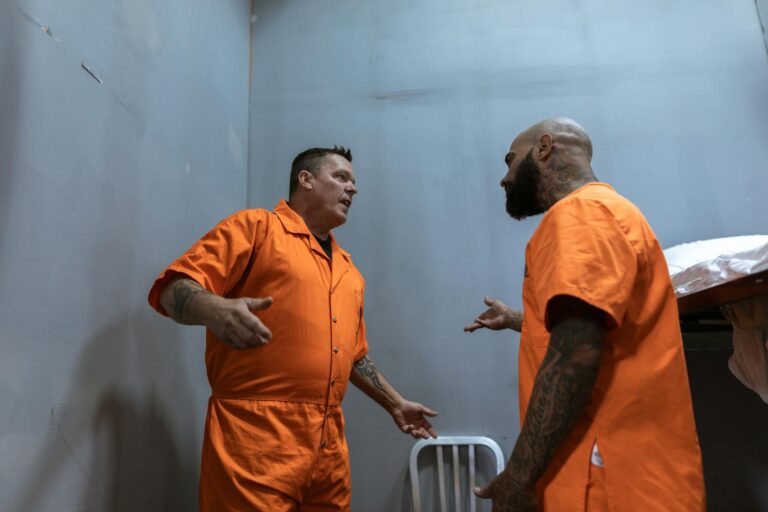
Juvenile detention employees need basic ASL training in 2026 because the law requires it, recent settlements have established it as non-negotiable, and...

Communicating with deaf customers in juvenile detention settings requires a combination of trained American Sign Language (ASL) interpreters, visual...

Juvenile detention workers face unique communication challenges that can significantly impact the safety and wellbeing of the young people in their care.
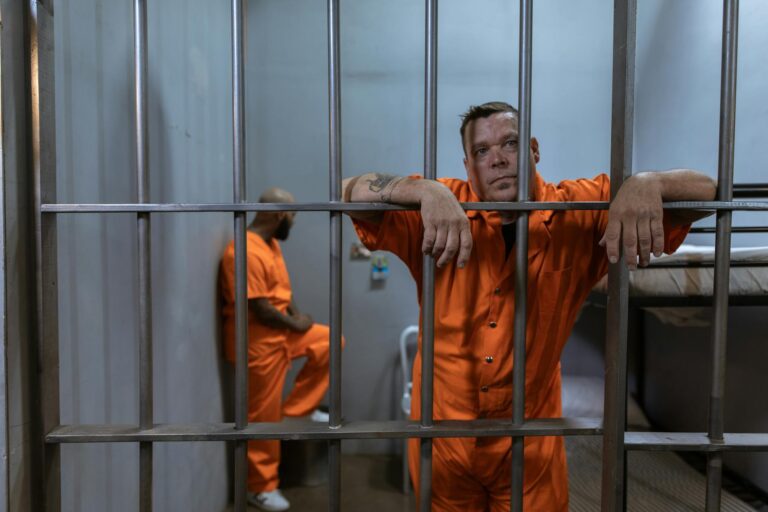
Deaf people navigate prisons without interpreters by relying on a combination of lip-reading, written communication, help from other deaf inmates, and...
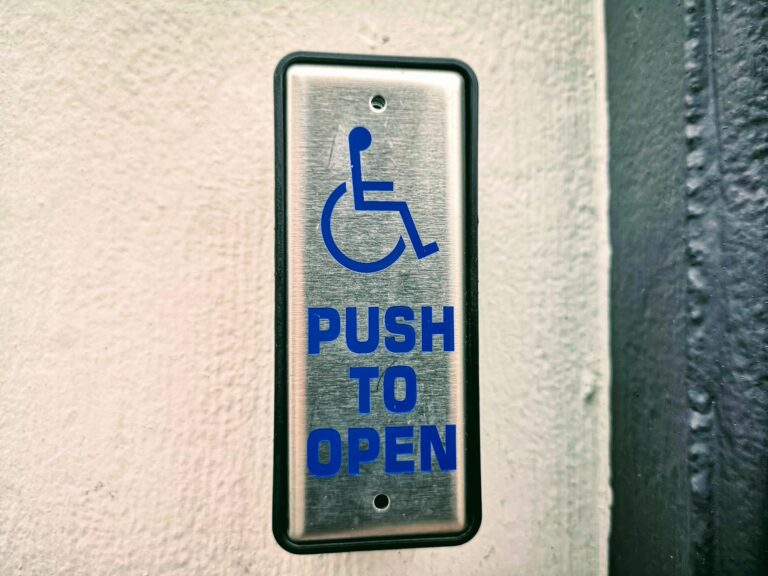
The Americans with Disabilities Act requires both prisons and businesses to provide American Sign Language (ASL) interpretation and related accessibility...
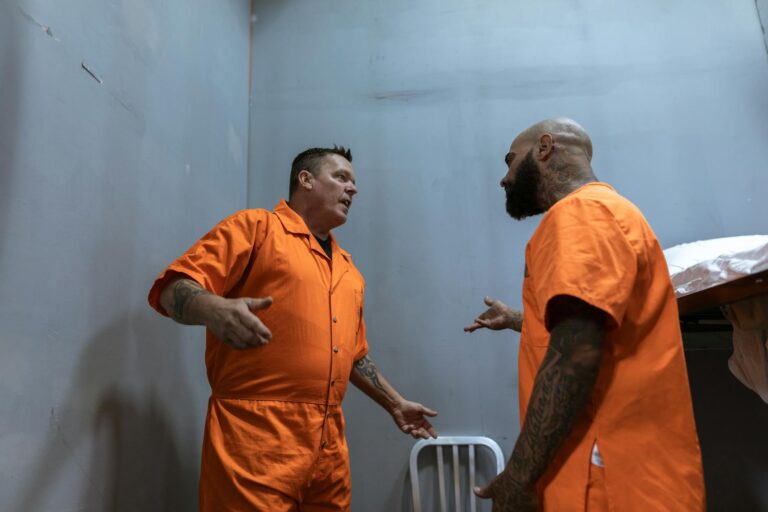
Prison employees need basic American Sign Language (ASL) training in 2026 because federal law requires it.
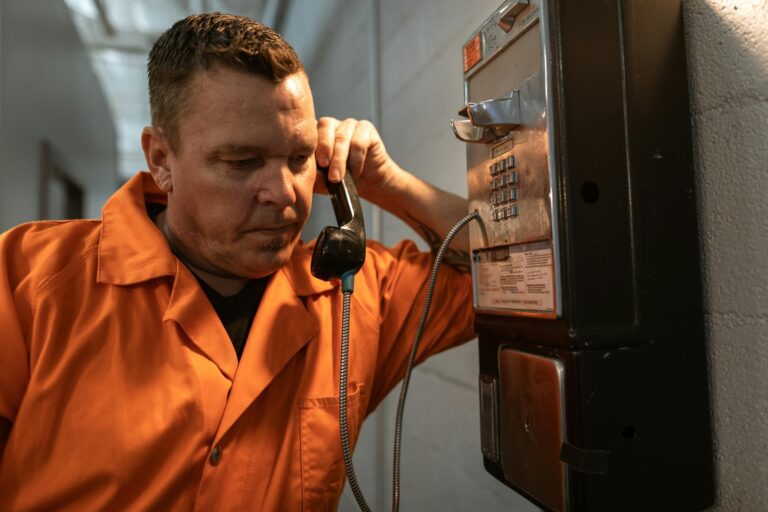
Communicating with deaf customers in prison settings requires a combination of trained sign language interpreters, visual communication tools, and...