Toddler Sign Language Savings Guide: How to Maximize Value Before Offers Expire

Real savings in toddler sign language come from matching your family's commitment level to proven programs, not from chasing exaggerated discounts.

Real savings in toddler sign language come from matching your family's commitment level to proven programs, not from chasing exaggerated discounts.

Policy frameworks for toddler sign language remain fragmented, creating confusion about access rights and educational options across districts.

Before enrolling in sign language classes or buying apps, families need to clarify what they actually want from sign language and whether all caregivers will consistently support it.
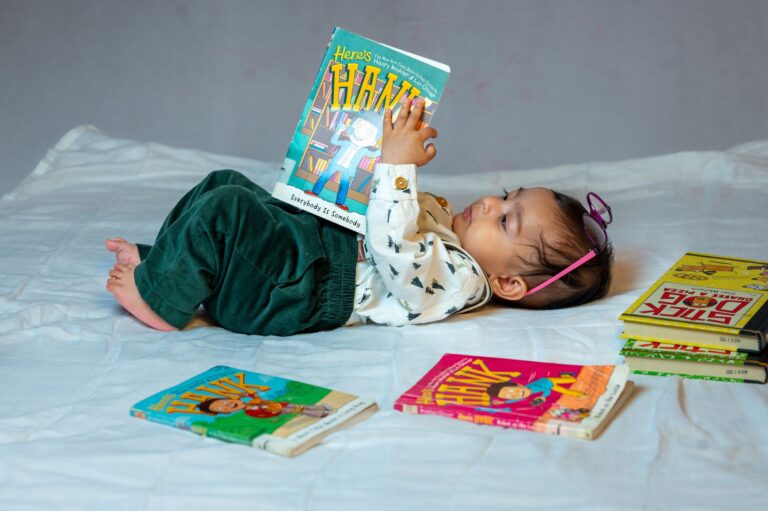
Six months isn't a deadline—it's the threshold where a deaf toddler's brain can acquire sign language at the speed of a native speaker.
Early sign language exposure prevents permanent neurological damage in deaf toddlers and costs far less than managing language deprivation later.

Sign language access for toddlers varies sharply by location, with some U.S. cities expanding ASL programs while many communities lack trained educators.

ASL outperforms manual English systems for toddler development, costs just $65–$105 for group classes, and prevents permanent language deprivation when started by six months.

Teach your toddler essential signs for free before deciding whether formal sign language instruction is worth purchasing.

Teaching toddlers sign language safely means watching for physical strain, developmental delays, and ensuring signing never feels forced or produces distress.

The toddler sign language market has grown to $2.4 billion globally as of 2025, driven by hearing loss prevalence and app-based pricing that undercuts therapy costs by up to 90%.