How to Communicate With Deaf Customers in Tsa Airport Security Settings
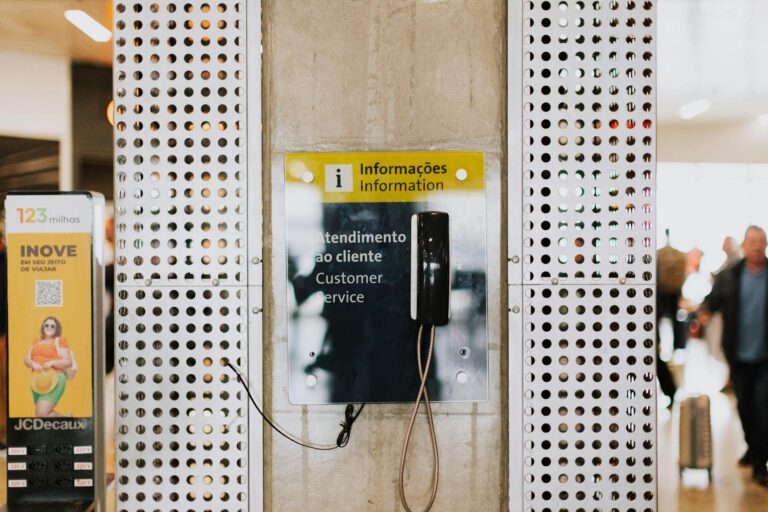
Communicating with deaf customers at TSA airport security checkpoints requires clear planning, advance notice, and awareness of the accommodations...

Communicating with deaf customers at TSA airport security checkpoints requires clear planning, advance notice, and awareness of the accommodations...

There is currently no formalized requirement for TSA Transportation Security Officers to learn American Sign Language.

Deaf people navigate EMS paramedics without an interpreter through a combination of preparation, visual communication tools, written exchanges, and relay...

The Americans with Disabilities Act (ADA) requires emergency medical services (EMS) and paramedic businesses to provide effective communication access to...
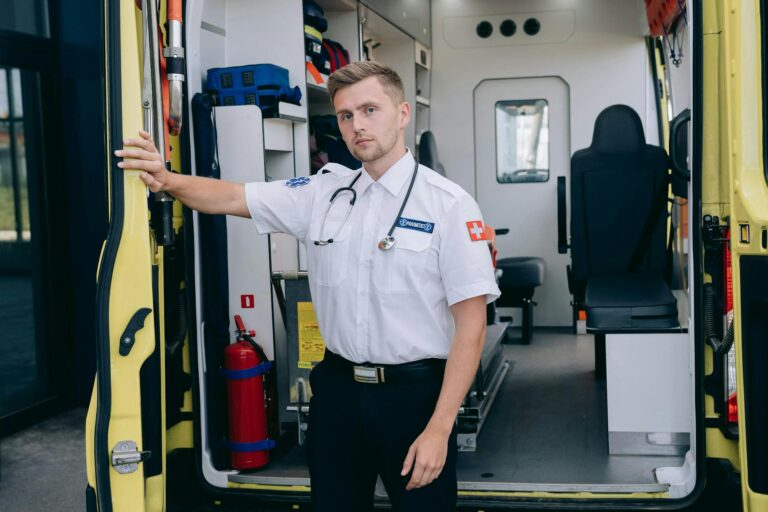
EMS paramedics need basic ASL training because communication barriers with Deaf patients directly compromise emergency care.
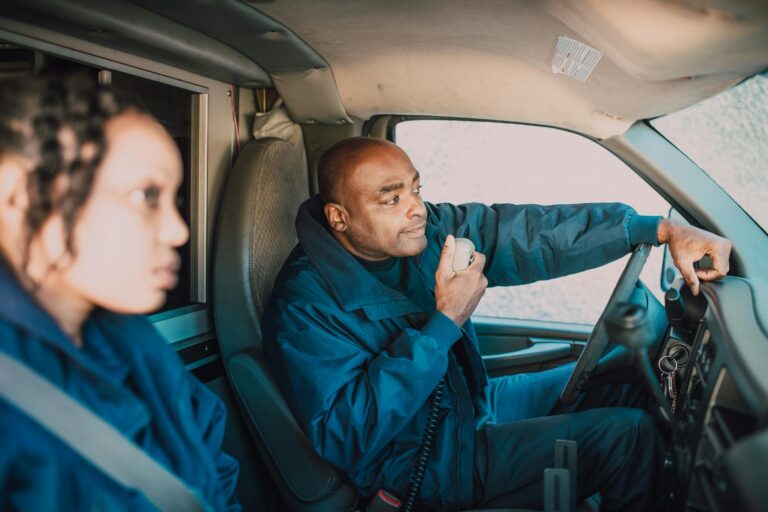
Communicating effectively with deaf patients in EMS settings requires a combination of preparation, flexibility, and respect for individual communication...

Emergency Medical Services (EMS) paramedics need to master fundamental ASL signs to communicate effectively with deaf and hard-of-hearing patients during...

When a deaf person needs to interact with a fire department, they don't simply communicate through lipreading or gestures with whoever answers the door.
Fire departments and businesses across the United States have a legal obligation to provide American Sign Language (ASL) interpretation and other...
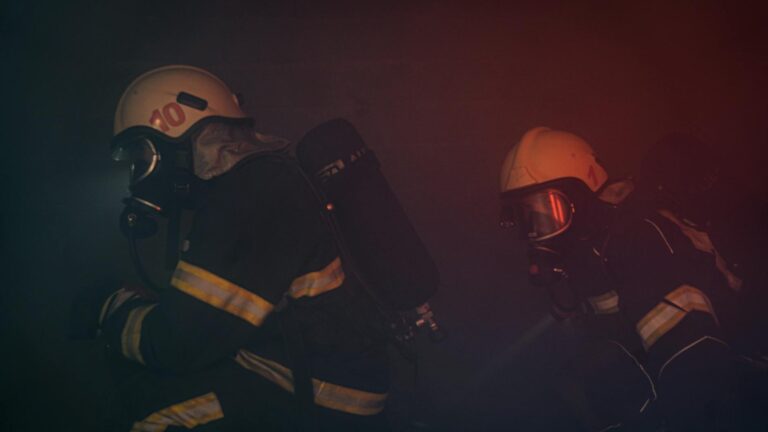
While there is no universal mandatory ASL training requirement for fire department employees in 2026, an increasing number of departments are recognizing...