Why Prisons Employees Need Basic ASL Training in 2026
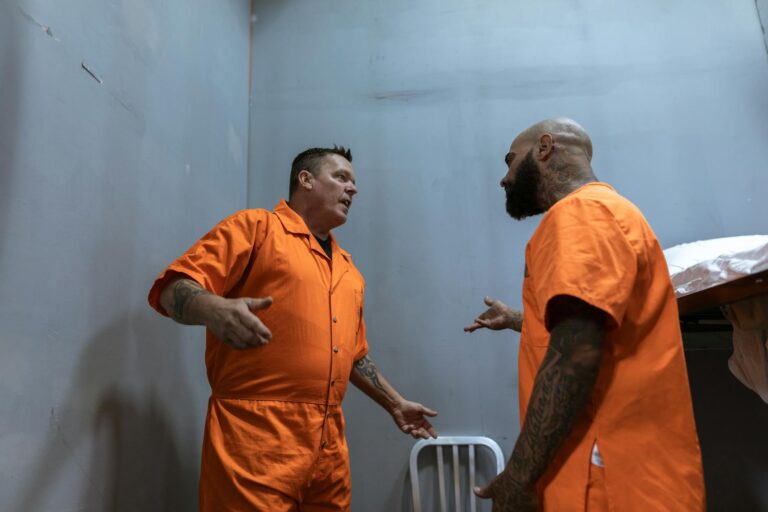
Prison employees need basic American Sign Language (ASL) training in 2026 because federal law requires it.

Prison employees need basic American Sign Language (ASL) training in 2026 because federal law requires it.
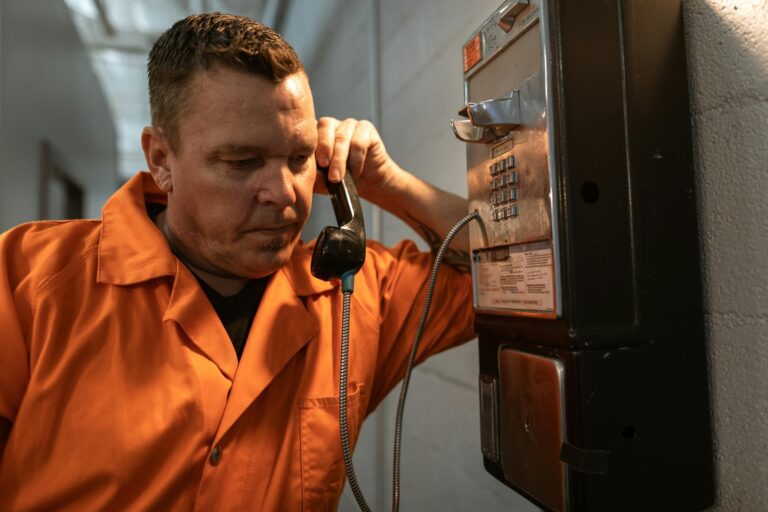
Communicating with deaf customers in prison settings requires a combination of trained sign language interpreters, visual communication tools, and...

Prison workers who serve deaf or hard-of-hearing incarcerated individuals need to learn essential ASL signs to provide effective communication, ensure...

Deaf people navigate law offices without interpreters through a combination of written communication, video remote interpreting (VRI) technology, relay...

Law offices and legal businesses must provide American Sign Language (ASL) interpretation services to Deaf clients and employees under the Americans with...

Law office employees need basic American Sign Language training in 2026 because it's legally required under the Americans with Disabilities Act, carries...

Communicating with deaf customers in law offices requires intentional accessibility measures that go far beyond simply speaking clearly.

Law office workers who interact with deaf and hard of hearing clients need to learn specific ASL signs that cover both everyday office communication and...

Deaf individuals navigate courtrooms without interpreters by relying on a combination of accommodation requests, alternative communication methods, and...

The Americans with Disabilities Act (ADA) requires courtrooms and businesses to provide American Sign Language (ASL) interpreters for deaf and...