Baby Sign Language Hurt
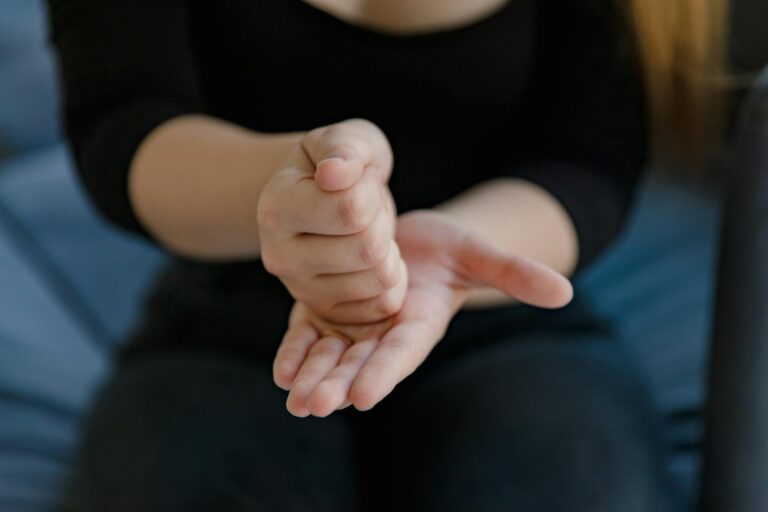
Teaching your baby to sign the word "hurt" is one of the most practical early communication tools you can introduce.
Teaching your baby to sign the word "hurt" is one of the most practical early communication tools you can introduce.

Baby sign language is experiencing unprecedented momentum in early childhood education, and for good reason.
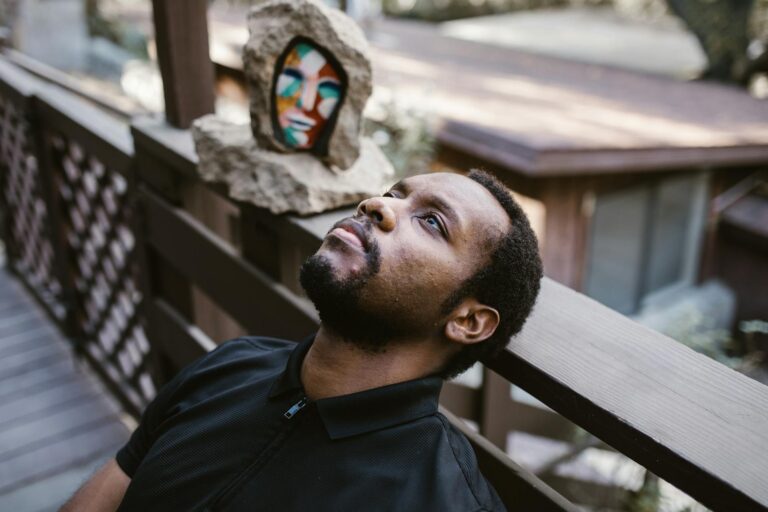
The sign for "sad" is performed by holding both hands with fingers outstretched and pulling them down from above the eyes to about chest level, mimicking...
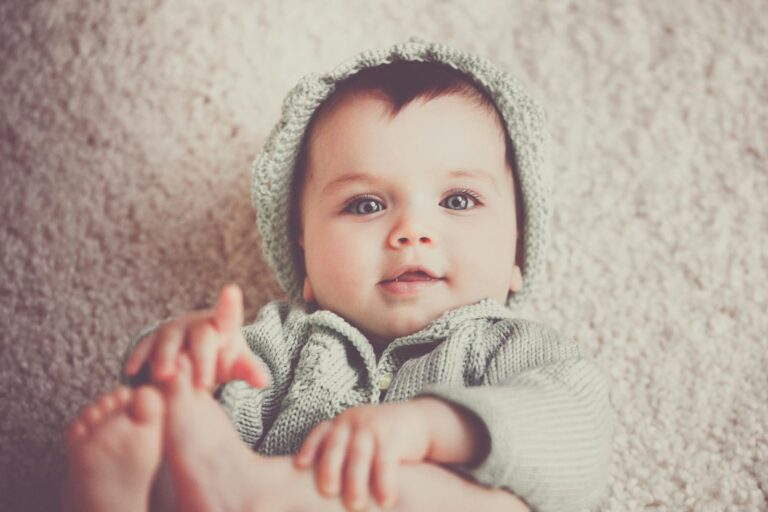
The happy sign in baby sign language is a simple, joyful gesture that brings immediate delight to both infants and parents alike.
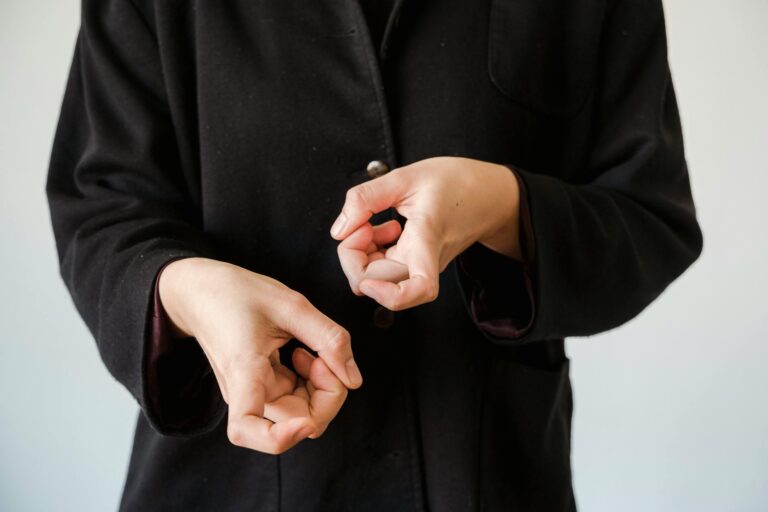
Yes, babies can learn to sign feelings and emotions like happy, afraid, calm, and angry—often months before they can speak these words.

Teaching babies sign language for emotions gives them a powerful way to express and understand feelings long before they can speak words.
The nap sign in baby sign language is a simple, visual gesture that mimics the act of sleep—you extend your fingers from a flat hand and draw it downward...
Baby sign language bedtime refers to introducing a small set of simple hand gestures to your child during sleep routines—typically signs like BED, SLEEP,...

The sign for "sleepy" in baby sign language is performed by starting with your dominant hand's fingers extended and spread apart, then bringing your hand...
Teaching your baby the sign for "sleep" is practical and achievable, though success depends on your baby's developmental stage.