Baby Sign Language Help Sign

The "help" sign in baby sign language is made by placing your dominant hand, formed as a closed fist or thumbs-up, on top of your non-dominant open palm,...
The "help" sign in baby sign language is made by placing your dominant hand, formed as a closed fist or thumbs-up, on top of your non-dominant open palm,...

Baby sign language for needs gives infants a way to communicate hunger, thirst, discomfort, and requests for help months before they can speak.

The "scared" sign in baby sign language is performed by holding both fists in front of your body with palms facing inward, then flicking your fingers...
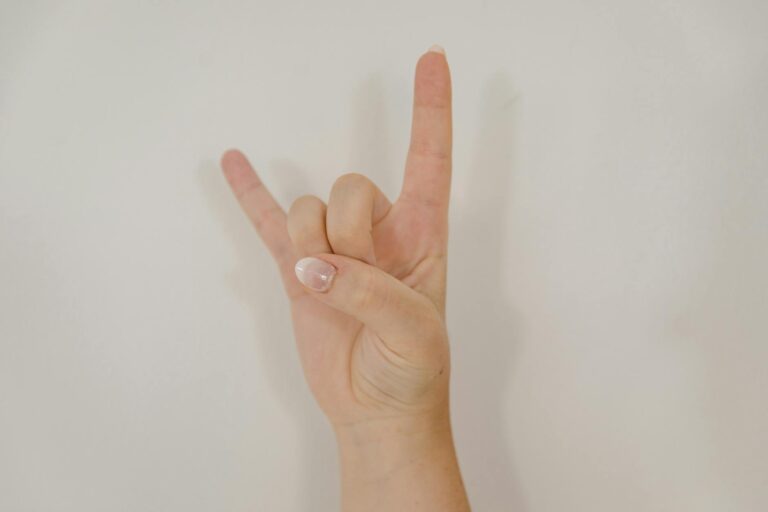
Understanding baby sign language sleepy sign is essential for anyone interested in baby and toddler sign language.

The baby sign language hurt sign is made by extending both index fingers, pointing them toward each other, and twisting the hands back and forth in...

The baby sign language angry sign is performed by making your dominant hand into a claw shape and bringing it toward your mouth while displaying an angry...
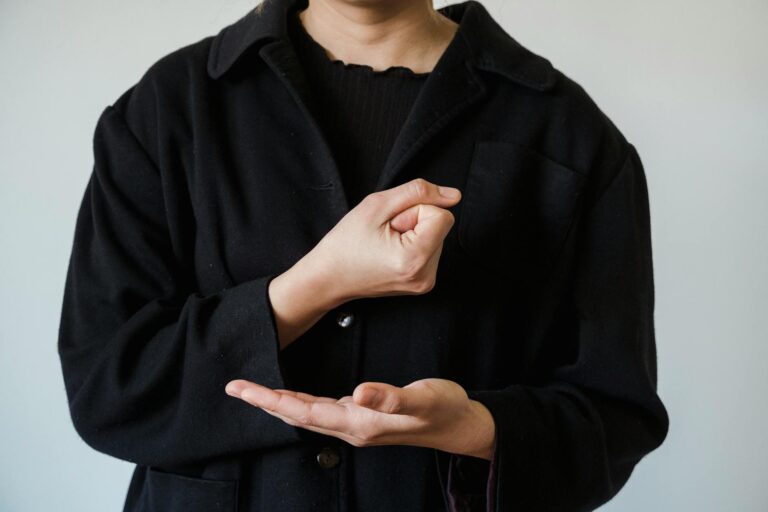
The "sad" sign in baby sign language is performed by holding both hands with fingers spread open in front of your face, palms facing inward, then pulling...
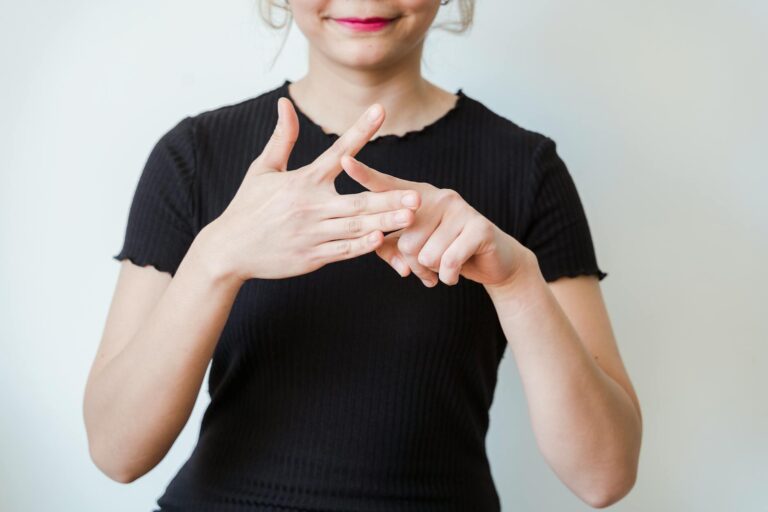
Understanding baby sign language happy sign is essential for anyone interested in baby and toddler sign language.

Baby sign language offers a practical way for preverbal children to express feelings like happiness, sadness, anger, and fear before they can speak.
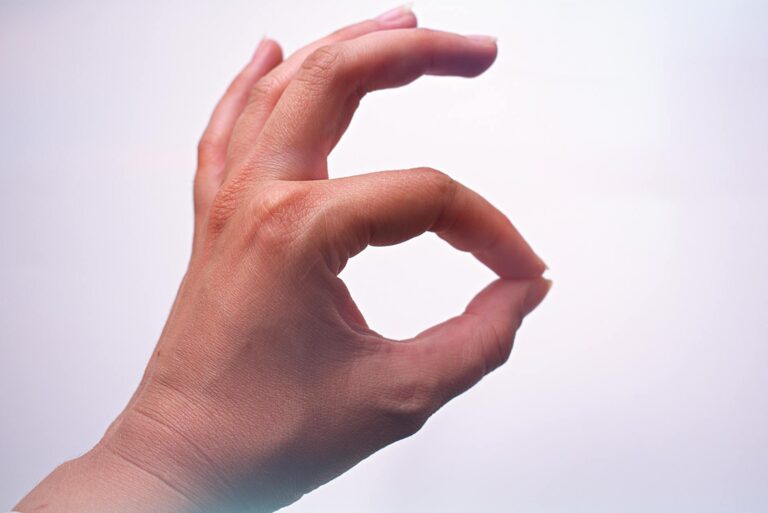
Understanding baby sign language feelings chart is essential for anyone interested in baby and toddler sign language.