What Are the Best Baby Signs for Needs and Wants

The best baby signs for needs and wants are simple, repetitive gestures that combine basic hand movements with clear, consistent actions—signs like...
The best baby signs for needs and wants are simple, repetitive gestures that combine basic hand movements with clear, consistent actions—signs like...

You use baby sign language during diaper changes by introducing signs for bodily functions and routine activities before, during, and after the diaper...
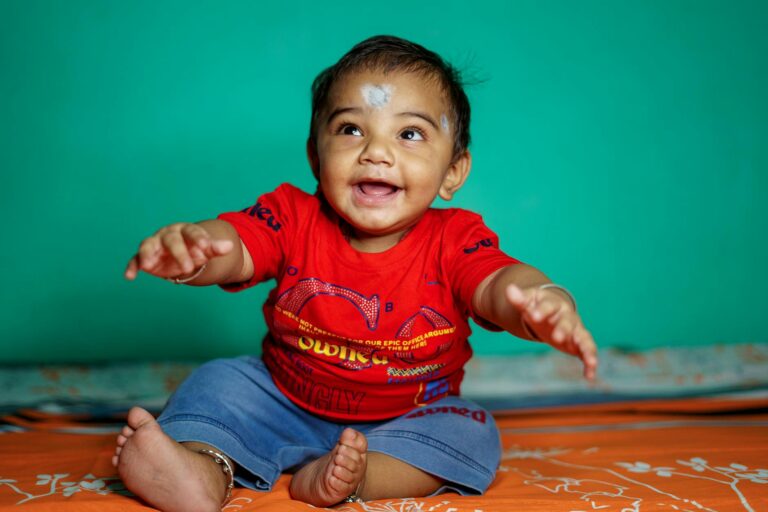
The best baby signs for daily routines are MORE, MILK, ALL DONE, BOOK, SLEEP, and signs for DIAPER CHANGES, BATH TIME, and NAP TIME.
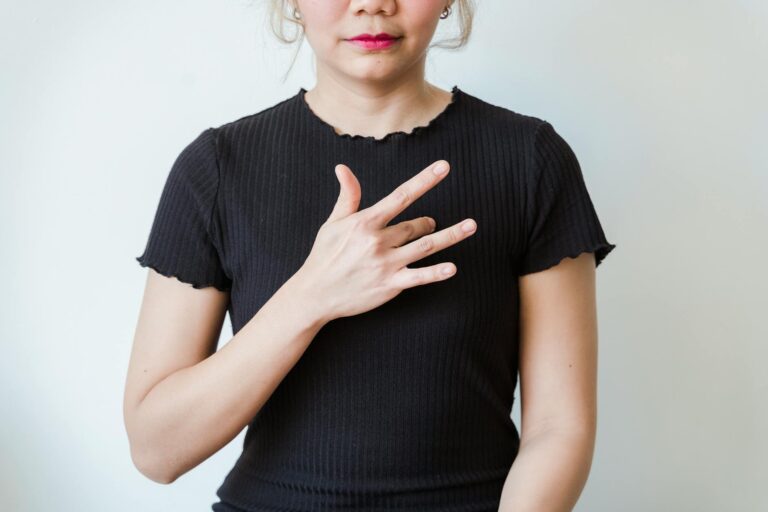
Yes, baby sign language can meaningfully support emotional development in young children. Research consistently shows that sign language—whether as a...
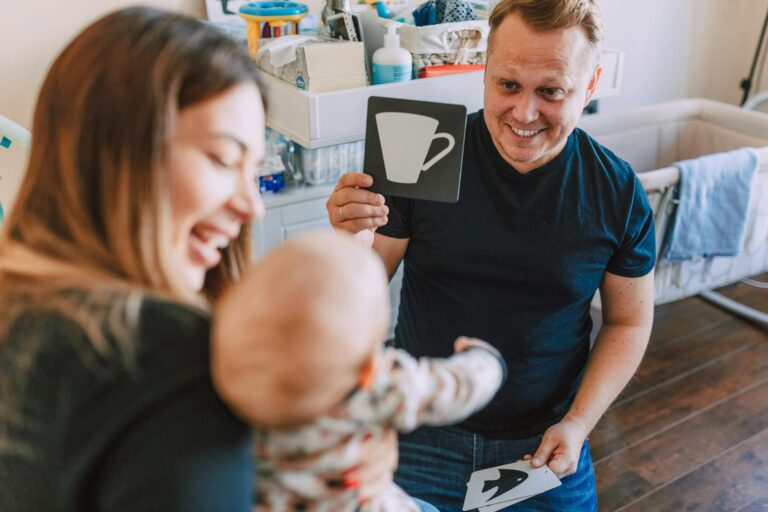
Teaching feelings using baby sign language involves introducing your child to signs that represent emotions like happy, sad, angry, and scared at a pace...

The best baby signs for emotions include happy (big smile while moving hands up), sad (index fingers tracing down cheeks for tears), angry (claw hands...
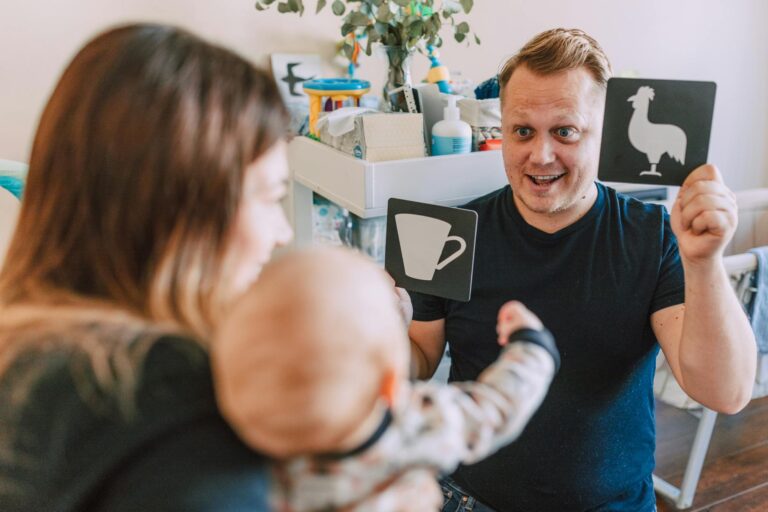
To teach your baby the sign for "sleepy," gently rub your fingertips down the side of your face in a downward motion, as if closing your eyes.
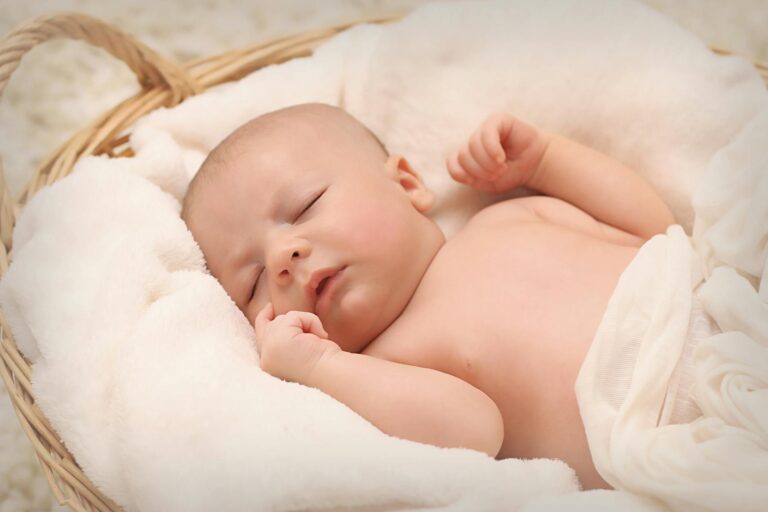
The best baby signs for bedtime include SLEEP, BED, TIRED, CALM, and QUIET—signs that help your baby communicate their needs and learn the language of...

Teaching "all done" in baby sign language involves showing your child a simple two-handed sign where you brush both hands outward from your chest, palms...

Teaching the milk sign to a baby starts with patience, repetition, and connecting the sign to mealtimes.