What Are Non Manual Markers and Why Are They Grammar Not Just Expression

Non-manual markers are grammatical features of sign language, not merely expressive gestures. When a deaf child raises her eyebrows while signing, she's...

Non-manual markers are grammatical features of sign language, not merely expressive gestures. When a deaf child raises her eyebrows while signing, she's...
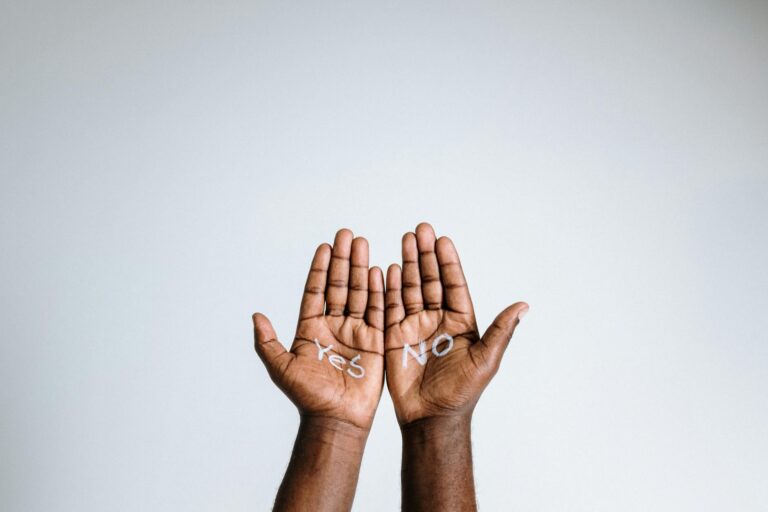
The head shake is one of the most fundamental ways to negate a sentence in American Sign Language.

American Sign Language uses two distinct systems for asking questions, and they differ significantly from each other in both how they're signed and what...
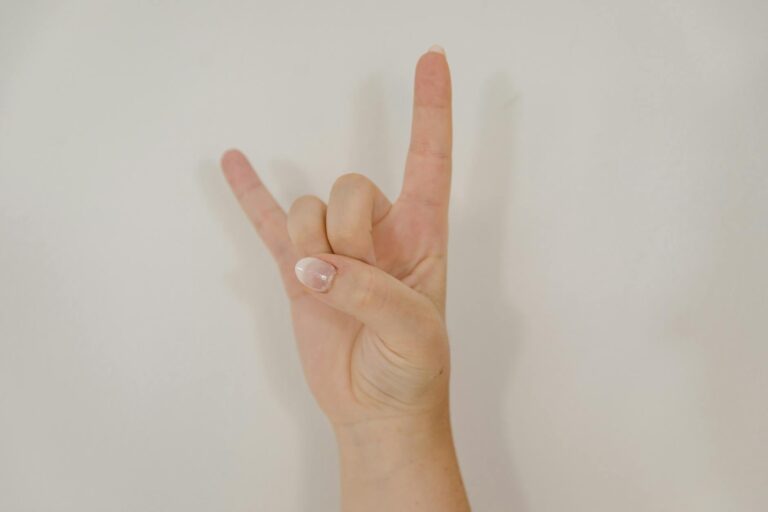
American Sign Language (ASL) handles pronouns fundamentally differently than English because it uses space and directional movement rather than distinct...
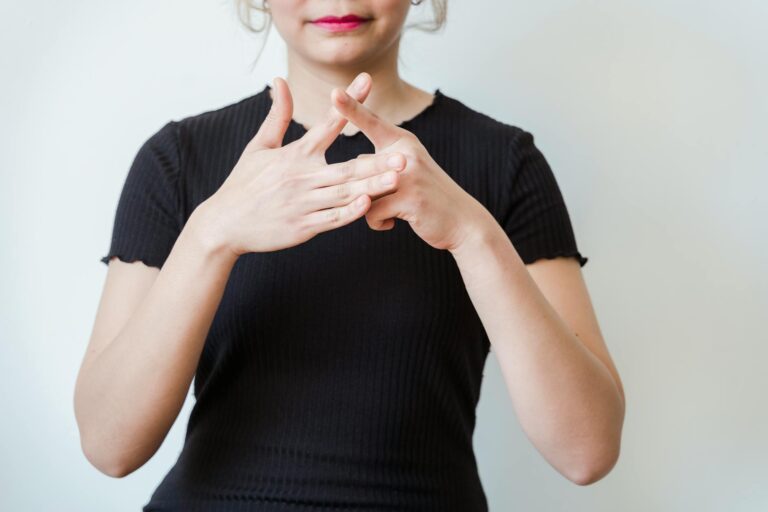
Role shifting is a grammatical feature in American Sign Language where the signer physically moves their body, head, or facial expressions to indicate...
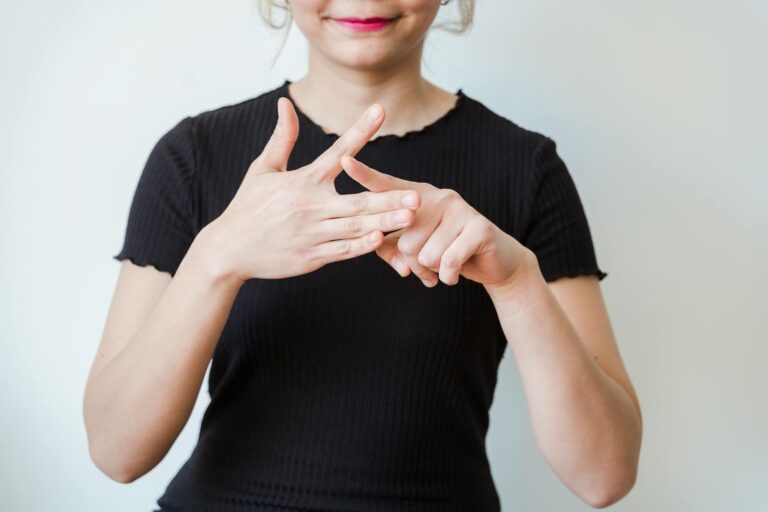
In American Sign Language, you don't indicate plural by adding an "s" at the end of a sign—ASL doesn't have grammatical suffixes like English does.

Directional verbs in American Sign Language (ASL) are verbs that change their movement, location, or orientation in space to show who is performing an...

American Sign Language (ASL) uses a fascinating system of spatial references to show time. Rather than having separate words for "past," "present," and...

ASL classifiers are handshapes and movements that represent objects, animals, or people in space.

In American Sign Language, you ask a yes or no question using a raised eyebrow paired with a slight forward head tilt and a questioning facial expression.