How Do ASL Interpreters Work With DeafBlind Consumers

ASL interpreters working with DeafBlind consumers use tactile sign language, a modified form of American Sign Language performed directly into the hands...

ASL interpreters working with DeafBlind consumers use tactile sign language, a modified form of American Sign Language performed directly into the hands...
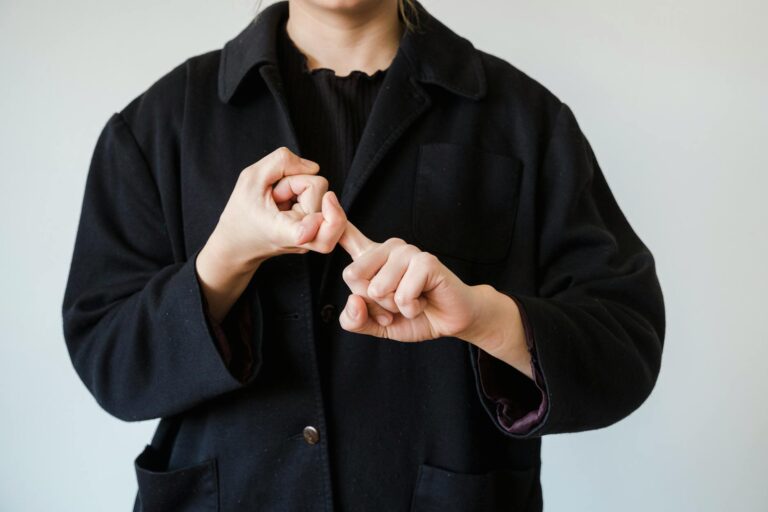
When a deaf person uses home signs and an interpreter doesn't recognize them, communication breaks down entirely.

ASL interpreters handle dialects and regional variations by combining extensive training in multiple signing styles, continuous exposure to diverse Deaf...

Vicarious trauma in ASL interpreting occurs when sign language interpreters experience emotional and psychological distress from repeatedly interpreting...

ASL interpreters handle emotionally charged content by establishing strict professional boundaries, using deliberate emotional detachment techniques, and...

An ASL interpreter can be held liable for mistranslation in specific circumstances, primarily when the error causes demonstrable harm and the interpreter...

ASL interpreters handle untranslatable humor by adapting jokes rather than translating them word-for-word.

The difference between consecutive and simultaneous interpreting in American Sign Language comes down to timing and processing.
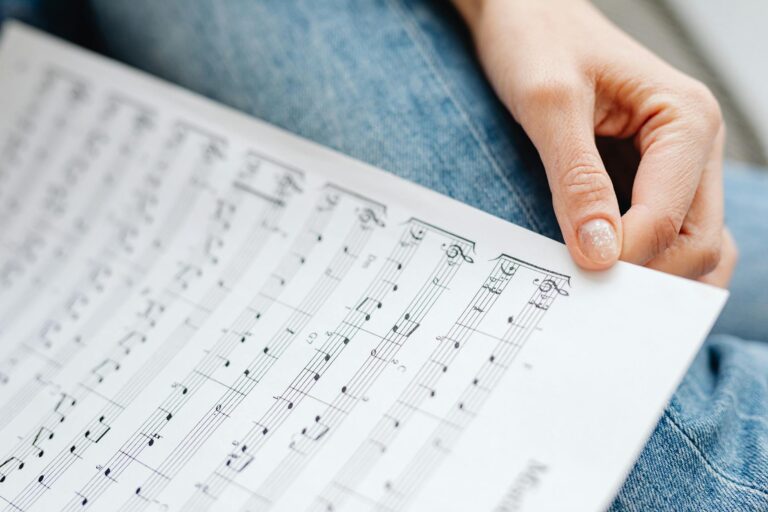
ASL interpreters at concerts and performances face a unique challenge: music is inherently rhythmic, emotional, and verbal, yet their role is to translate...
Demand control schema is a framework that helps ASL interpreters manage the linguistic and cognitive demands of the messages they're interpreting.