
Emergency Medical Services (EMS) paramedics need to master fundamental ASL signs to communicate effectively with deaf and hard-of-hearing patients during critical moments when verbal communication is impossible or ineffective. These essential signs span basic medical terminology, emergency assessments, and instructions—the same foundational vocabulary that forms the building blocks of sign language for babies and young children. When a paramedic can sign “pain,” “hospital,” “medicine,” or “help,” they provide not just medical care but dignity and clear communication that can literally save lives in high-stress situations.
The overlap between emergency medical ASL and early childhood sign language education is significant. Both contexts prioritize clear, deliberate sign formation and the most universally understood vocabulary. A paramedic responding to a deaf patient having a stroke needs the same clarity that parents use when teaching a toddler to sign “hurt” or “water.” The difference lies in context and application, but the foundation is identical—recognizing that clear, accurate sign language communication is essential and non-negotiable in these situations.
Table of Contents
- What ASL Signs Do Paramedics Need to Know During Emergency Calls?
- Medical Terminology Signs and Their Limitations in Emergency Contexts
- Real-World Scenarios Where ASL Signs Save Time and Prevent Complications
- Building Your ASL Skills as a Paramedic: Practical Training Approaches
- Common Mistakes Paramedics Make When Using ASL, and How to Avoid Them
- ASL Signs That Connect Pediatric and Paramedic Contexts
- The Future of ASL Training in EMS and Systemic Solutions
- Conclusion
- Frequently Asked Questions
What ASL Signs Do Paramedics Need to Know During Emergency Calls?
Paramedics should prioritize medical and situational asl signs above general conversation vocabulary. The core categories include signs for body parts (“head,” “chest,” “arm,” “leg”), pain descriptors (“sharp,” “dull,” “constant,” “throbbing”), medical actions (“breathe,” “stand,” “lay down,” “stay still”), and emotional states (“scared,” “confused,” “dizzy”). These twelve to fifteen signs form the essential toolkit for initial patient assessment, which is when communication matters most. A paramedic who can accurately sign “Where does it hurt?” and understand the patient’s signed response gains crucial clinical information that directly impacts treatment decisions.
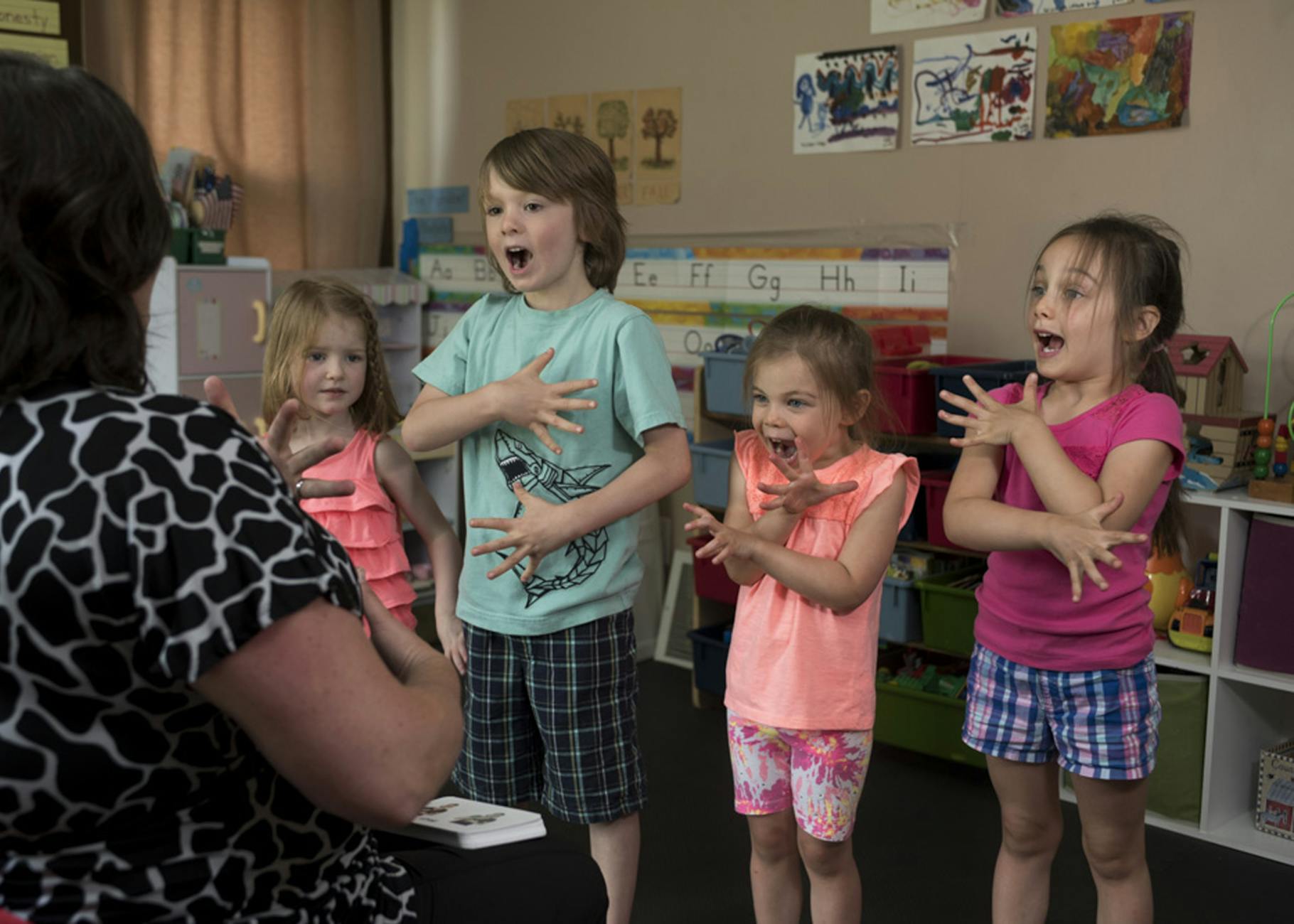
Comparing this to pediatric sign language instruction reveals why this vocabulary is taught early to deaf children—these signs are foundational, high-frequency, and immediately practical. A toddler learns “hurt” and “help” because they’re survival-relevant. A paramedic learns them for the same reason. The sign for “pain” in ASL is consistent, widely understood, and requires no specialized medical training to produce correctly. The challenge paramedics face is not complex linguistic ability but rather having the confidence and muscle memory to produce these signs smoothly under pressure, when adrenaline is high and the patient is frightened.

Medical Terminology Signs and Their Limitations in Emergency Contexts
Paramedics often overestimate how many specialized medical signs they need to learn. While signs exist for conditions like “diabetes,” “seizure,” and “allergy,” these signs are not universally standardized across all Deaf communities, and regional variations can cause confusion. A safer approach is learning to spell out complex medical terms using fingerspelling combined with contextual signs—for example, spelling “A-S-P-I-R-I-N” while miming a swallowing gesture conveys the concept more reliably than attempting an unfamiliar medical sign. This hybrid approach prevents miscommunication, which could delay or misdirect treatment.
The limitation here is a hard reality: paramedics cannot become fluent in ASL during their initial certifications, nor should they try to fake fluency. In truly critical situations where rapid, complex information exchange is essential, requesting a professional interpreter—even via video relay services now available through hospital systems—is more reliable than a paramedic’s conversational ASL skills. However, those foundational signs bridge the gap between arrival and interpreter availability, allowing immediate patient stabilization and assessment. The warning is this: don’t let imperfect communication stop you from trying to communicate. Attempting to sign “hospital” is infinitely better than doing nothing and leaving a deaf patient terrified and confused about what’s happening.
Real-World Scenarios Where ASL Signs Save Time and Prevent Complications
Consider a specific scenario: A paramedic arrives at a home where an elderly deaf woman has fallen. Her hearing granddaughter is present but panicked and not fluent in ASL. The paramedic can sign “fall?” (question form), and the patient signs back the location of pain with a gesture to her hip. The paramedic then signs “hospital” and “doctor” while mimicking a gentle movement, reassuring the patient of the plan. This thirty-second exchange using six signs establishes trust, clarifies the situation, and allows the patient to communicate whether she’s taking blood thinners or has other relevant medical history.
Without these signs, the paramedic must wait for written notes, delayed communication through an intermediary, or assume critical medical information is missing. Another scenario: A deaf man is having an acute allergic reaction. He’s experiencing respiratory distress and cannot clearly communicate what he’s reacting to. A paramedic who signs “allergy?” and understands the patient’s finger-spelled response “P-E-N-U-T-S” can immediately alert the receiving hospital and ensure the correct emergency medications are ready. This sign-based communication occurred in under fifteen seconds and prevented a potentially fatal medication error. These aren’t theoretical advantages—they’re documented benefits that emergency medicine literature increasingly recognizes.
Building Your ASL Skills as a Paramedic: Practical Training Approaches
The most practical training approach for EMS systems is not individual paramedics becoming conversational in ASL—that’s unrealistic given their workload and training focus—but rather implementing brief, focused ASL modules within paramedic education. These modules should concentrate on the fifteen to twenty highest-frequency, highest-stakes signs specific to emergency medicine. Pairing this with protocols that include “request ASL interpreter” and “use visual demonstrations and gestures” creates a practical system. A paramedic who knows the fifteen essential signs performs better than one who knows nothing, and a paramedic who knows the fifteen signs plus has clear protocols for accessing interpreters performs best of all.
The tradeoff is real: adding ASL training competes for classroom time already stretched thin covering pharmacology, anatomy, and protocols. The question becomes whether three hours of ASL instruction during initial certification creates enough value. The answer, supported by Deaf community feedback and emergency medicine research, is yes—but only if that training is targeted and integrated with broader communication strategies, not presented as a complete substitute for professional interpretation. Many EMS systems now partner with Deaf community organizations to train paramedics, which ensures cultural competence and practical relevance alongside linguistic accuracy.
Common Mistakes Paramedics Make When Using ASL, and How to Avoid Them
The most frequent error is poor hand shape or position that renders a sign incomprehensible—the paramedic produces something that looks vaguely like a sign but isn’t precise enough to convey meaning. This happens especially under stress when fine motor control degrades. The solution is repetition and muscle memory building before you’re in an emergency situation. The sign for “pain” is not a casual gesture; it’s a specific hand configuration held in a specific location with a specific movement. If you haven’t practiced it hundreds of times, you’ll botch it when it matters. Another common mistake is assuming fingerspelling is faster than signing—it’s not.
A paramedic who finger-spells “H-O-S-P-I-T-A-L” uses more time and concentration than one who signs the word, which is a single, rapid motion. A critical warning: Never mime or gesture wildly as a substitute for actual signs. A patient might perceive exaggerated miming as mocking or disrespectful, and the communication is often ambiguous anyway. Actual ASL signs, produced carefully and deliberately even if imperfectly, communicate respect and genuine attempt at understanding. Paramedics should also avoid making direct eye contact assumptions—some Deaf individuals maintain different eye contact norms than hearing people expect. Allow the patient to set the tone and rhythm of the conversation.

ASL Signs That Connect Pediatric and Paramedic Contexts
The signs that form the bridge between toddler sign language education and paramedic emergency communication are the foundational physical and emotional descriptors: “hurt,” “help,” “yes,” “no,” “stop,” “water,” “medicine,” “tired,” and “scared.” Parents teaching deaf toddlers these signs do so for safety—a young child who can sign “hurt” can communicate about injury or illness before they have the language complexity for detailed explanation. A paramedic uses these identical signs for the same reason: rapid, clear communication about immediate physical and emotional states.
The sign for “water” that a toddler learns to request hydration is the same sign a paramedic uses to assess if a patient can safely drink or has swallowing difficulties. This connection is worth noting because it demonstrates that both contexts prioritize the same vocabulary—the survival-relevant, high-frequency signs that any person, whether a two-year-old or a seventy-year-old, needs to express basic human needs and conditions. The execution and context differ, but the underlying linguistic principle is identical.
The Future of ASL Training in EMS and Systemic Solutions
The trajectory of paramedic training is shifting toward mandatory ASL education, especially in regions with larger Deaf populations. More EMS systems now require at least basic competency in foundational ASL signs, and some urban centers are hiring paramedics who are deaf or hard-of-hearing themselves, creating teams with native or fluent signing ability.
Technology is also changing the landscape: video relay services and text-based communication apps integrated into dispatch systems mean that written ASL interpretation can be available to paramedics within seconds of arrival. The forward-looking approach recognizes that paramedics cannot become linguists, but they can become communicators—people capable of bridging the gap between their hearing-focused medical system and deaf patients who deserve the same quality of care and dignity. The combination of basic individual ASL skills, systematic protocols for interpreter access, and community partnerships with Deaf organizations represents a practical, sustainable solution that improves outcomes without placing unrealistic demands on paramedic training.
Conclusion
The essential ASL signs that paramedics should learn are not complex or extensive—they are the same foundational vocabulary that teaches toddlers to express pain, fear, and need. Signs for body parts, pain characteristics, medical actions, and emotional states provide sufficient communication foundation for initial emergency assessment and patient reassurance.
Paramedics need not be fluent in ASL to make a meaningful difference; they need to be competent in a targeted set of signs and confident in using them alongside gesture, demonstration, and written communication. The pathway forward is integration: ASL modules in paramedic training, systemic protocols that include interpreter access, and a cultural shift that recognizes communication with deaf patients as a non-negotiable component of emergency medical care. When paramedics can sign “help is coming” or accurately understand a patient’s signed response to “where does it hurt,” lives improve—not through heroic gestures but through the quiet, essential practice of actually listening and communicating with the people they serve.
Frequently Asked Questions
How long does it take a paramedic to learn essential ASL signs?
Focused training on fifteen to twenty essential signs can be completed in eight to twelve hours of instruction, with additional practice needed to build confidence and muscle memory. Competency is achievable within a few weeks of regular review.
What should I do if I don’t know how to sign what a patient is asking?
Use fingerspelling, gestures, yes-or-no questions, and written notes. Request an ASL interpreter through dispatch if available. Never pretend to understand if you don’t—ask the patient to repeat or clarify.
Are there regional variations in ASL that I need to know about?
Yes, regional and generational variations exist in ASL. When possible, ask the patient to clarify their sign or use fingerspelling for critical medical terms. Most core signs are consistent, but don’t assume universal standardization.
Can I rely on family members to interpret for deaf patients?
Family members can provide basic interpretation, but they may be emotionally distressed, unfamiliar with medical terminology, or uncomfortable discussing sensitive health information. A professional interpreter is preferable when available, though family members are valuable when professional services aren’t immediately accessible.
Should paramedics use video relay services in emergency situations?
Video relay can be faster than waiting for an in-person interpreter, but it introduces a third party and potential delays in truly time-critical emergencies. Use it strategically—video relay is excellent for patient interviews but less practical during active resuscitation.
What’s the most common sign paramedics should learn first?
The sign for “pain” or “hurt,” combined with the ability to point and ask “here?” This single exchange allows paramedics to quickly identify chief complaints and guide treatment prioritization.