
Babies can typically begin signing back between 6 to 12 months of age, with most children producing their first intentional signs around 8-10 months. This timeline differs slightly from spoken language development because sign language relies on fine motor control of the hands rather than vocal coordination, and babies often demonstrate readiness through hand movements and visual tracking before they produce clear recognizable signs. This article explores the developmental stages of sign language acquisition, what to expect during different ages, and how parents and caregivers can support early signing communication.
The journey of sign language development in babies follows a predictable pattern, but individual timelines vary based on exposure, motor development, and whether the child has deaf or hearing parents. If a baby is born to deaf parents who use American Sign Language (ASL) as the family’s primary language, they’re immersed in signing from birth, which can accelerate their sign language development compared to hearing families introducing sign later. Understanding these developmental windows helps caregivers recognize when their child is ready to engage with sign language and how to nurture this critical communication skill.
Table of Contents
- What Age Do Babies Start Signing Intentionally?
- Motor Development and Hand Control in Early Signing
- Receptive Understanding Versus Expressive Signing
- How to Support Early Sign Language Development
- Individual Variation and When to Seek Support
- Sign Language Acquisition in Multilingual Homes
- Long-Term Communication Development and Beyond
- Conclusion
What Age Do Babies Start Signing Intentionally?
The first intentional signs typically emerge between 8 and 12 months, though some babies may show understanding of signs as early as 6-7 months without yet producing them. Deaf infants exposed to ASL from birth often produce their first recognizable signs (like “more,” “milk,” or “mommy”) by 8-10 months, which is roughly parallel to when hearing children produce their first words. This timing suggests that sign language follows similar neurological development patterns as spoken language, just expressed through the hands rather than the voice.
For hearing babies introduced to sign language later, the timeline may shift. A hearing child whose parents begin teaching sign at 12-18 months might not produce clear signs for several months after exposure begins, depending on their previous language input and motor development. The key factor isn’t age alone—it’s the amount and quality of sign language exposure. Babies with consistent, natural signing input (like having deaf family members or attending signing groups) typically progress faster than those with inconsistent or formal-lesson-only exposure.
Motor Development and Hand Control in Early Signing
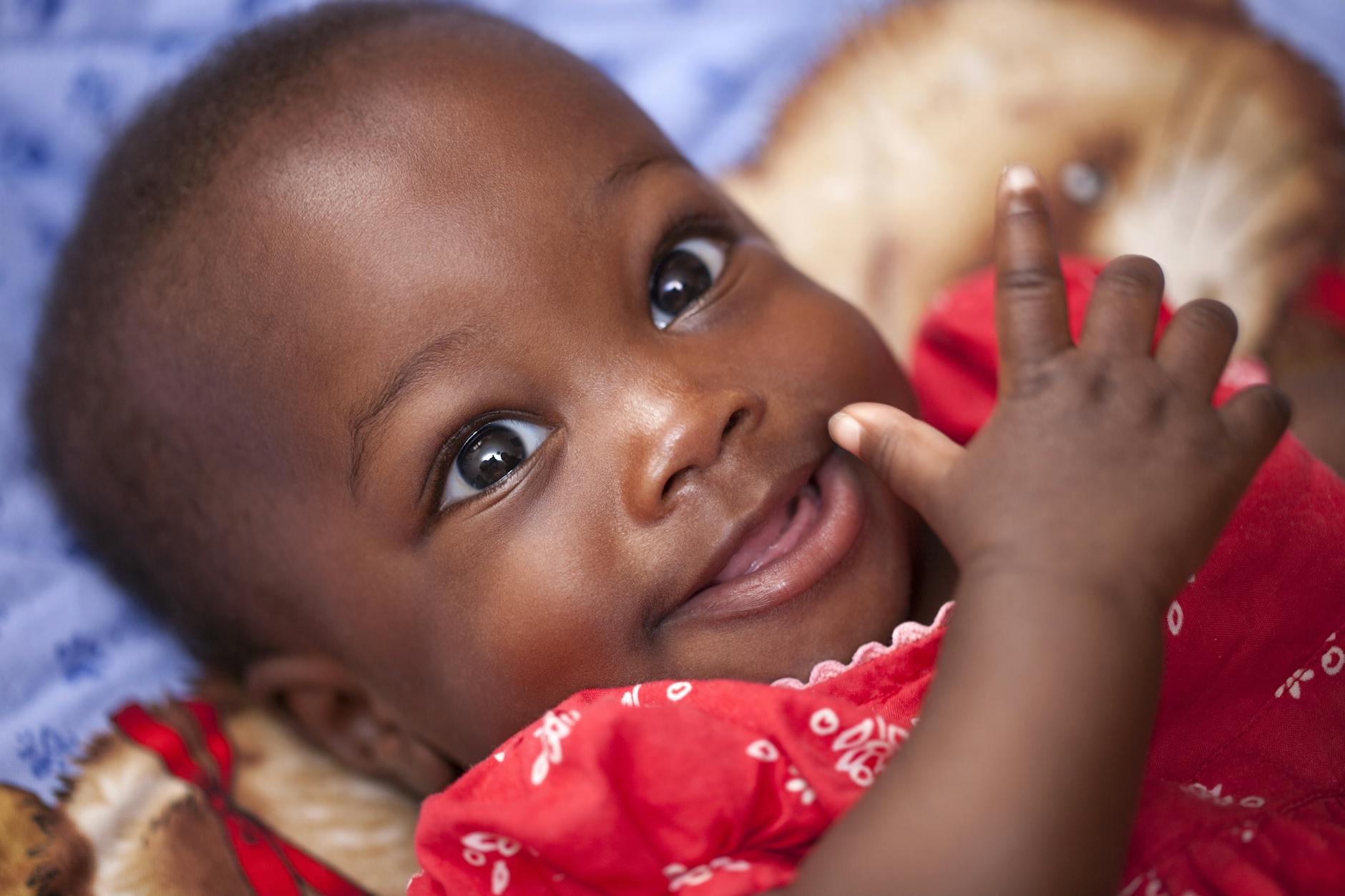
Fine motor control is a prerequisite for clear signing, which is why babies must reach certain developmental milestones before they can produce recognizable signs. Around 6 months, babies gain improved hand-eye coordination and begin grasping objects with intention. By 8-9 months, they can perform more precise hand movements, adjust finger positions, and intentionally open and close their hands—all foundational for sign language. However, even when babies have the motor ability to sign, they must also understand that signing carries meaning, which is a cognitive and linguistic development separate from physical capability.
It’s important to note that babies won’t produce perfect or crystal-clear signs early on—their hand shapes, positions, and movements may be approximations of adult signs. Parents often understand these early “proto-signs” even when others don’t, similar to how caregivers interpret babies’ early speech sounds. A baby’s version of “more” might have slightly imprecise hand shape or location, but the repetition and intentionality communicate the meaning. Caregivers should celebrate and reinforce these early attempts rather than waiting for textbook-perfect signing.
Receptive Understanding Versus Expressive Signing
Babies understand sign language before they produce it, just as hearing babies understand spoken words before they speak. A baby may recognize and respond to the sign for “milk” at 6-7 months—reaching for the parent or looking alert when the sign appears—even though they won’t produce the sign themselves for another month or two. This receptive phase is crucial because it builds the foundation for expressive signing. During this time, babies are learning that specific hand movements correspond to specific concepts and actions.
For example, a 7-month-old whose parents consistently sign “food” at mealtimes will begin to anticipate eating when they see that sign, demonstrating understanding without yet being able to reproduce it. By 9-10 months, that same child might produce a rough approximation of the “food” sign, particularly when hungry or excited. This gap between understanding and producing is normal and healthy across all language modalities. Parents sometimes worry if their baby understands signs but doesn’t sign back yet, but this receptive phase is essential groundwork.

How to Support Early Sign Language Development
Consistent, natural exposure is the most effective way to support sign language acquisition. Babies learn language through immersion and interaction, not through flashcards or formal instruction. Deaf parents who use ASL naturally throughout daily routines provide optimal language input—signing during diaper changes, meals, play, and bedtime routines. Hearing families can create similar conditions by learning and using sign language regularly in the home, even if it’s not the family’s primary language.
One significant difference between natural sign language learning and other approaches is the importance of face-to-face interaction. Babies learn sign language through watching faces, hand movements, body position, and facial expressions simultaneously. A baby watching a video of sign language will learn far more slowly than a baby interacting with a signing person. This means that quality of exposure matters as much as quantity—an hour of engaged, face-to-face signing interaction is more valuable than several hours of passive or video-based exposure. Hearing families may benefit from joining deaf community groups, sign language classes for families, or connecting with deaf mentors who can model natural signing in the home environment.
Individual Variation and When to Seek Support
Developmental timelines vary significantly among babies, and some children simply progress more slowly with sign language—just as some hearing children speak later than their peers. A baby who isn’t signing by 14-15 months may still be within normal range, particularly if they’ve only been exposed to sign language recently or inconsistently. However, if a deaf child born to deaf signing parents shows no receptive understanding of signs by 12-14 months or produces no intentional signs by 18 months, parents should consult with specialists experienced in deaf development.
It’s also important to recognize that delays in sign language development don’t necessarily correlate with cognitive or hearing ability. A child may have typical hearing and intelligence but still progress slowly with sign language if exposure has been limited. Conversely, some children with additional developmental differences may progress typically with sign language even if they have challenges in other areas. The key is ensuring adequate, natural exposure and monitoring for communication development rather than assuming delays in one modality reflect overall development.
Sign Language Acquisition in Multilingual Homes
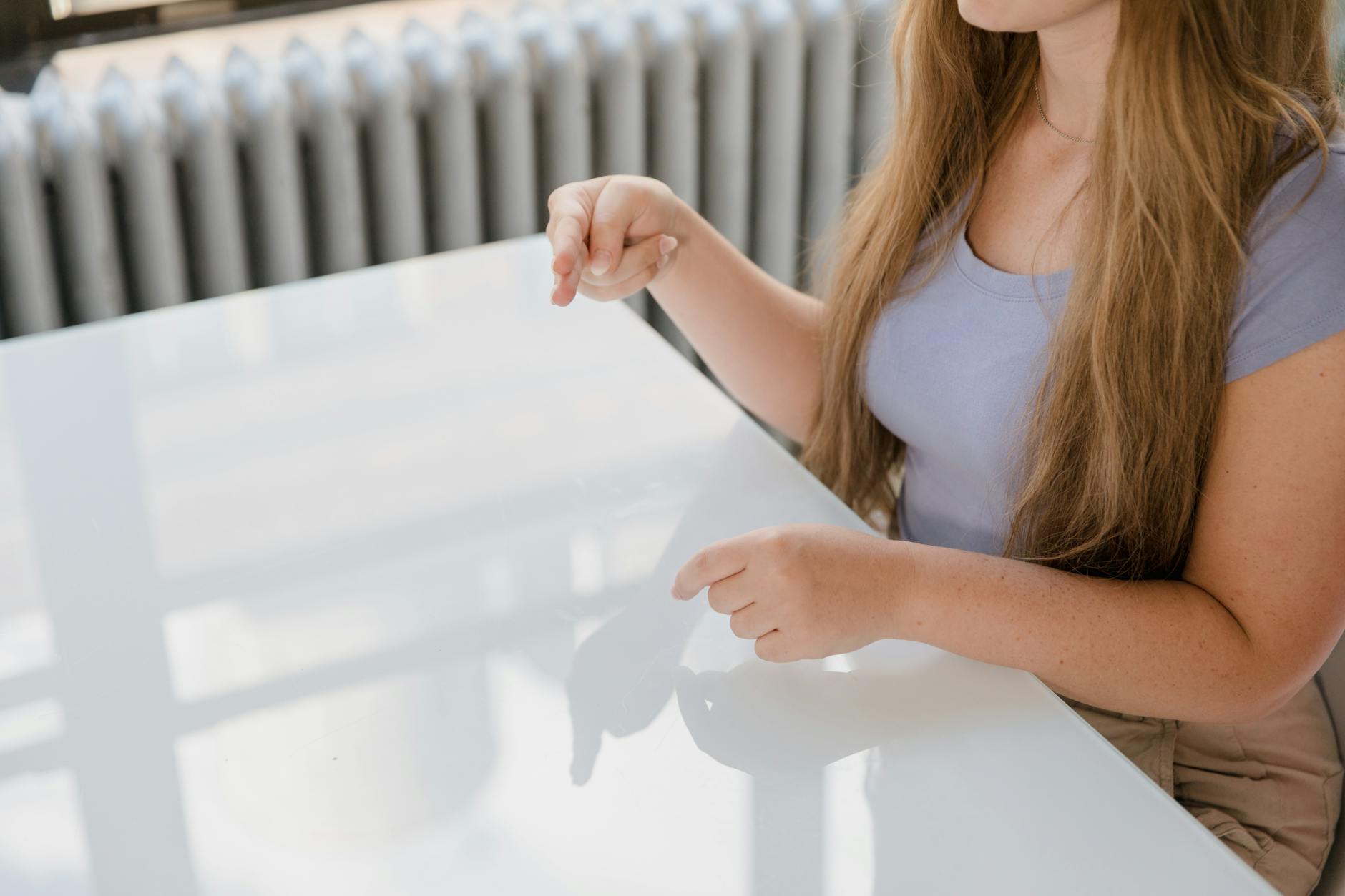
When babies are exposed to both sign language and spoken language (or multiple spoken languages), they typically acquire all of them simultaneously, following their individual developmental patterns. A child with one deaf parent using ASL and one hearing parent using spoken English will establish foundations in both languages from birth. These bilingual children often mix signs and speech, code-switch between languages, and may develop separate systems for each language—all of which is typical and healthy.
Research on bilingual sign and spoken language development shows that these children often excel in both languages, though they may progress differently in each. One child might produce spoken words before signs, while another signs before speaking. Neither pattern indicates a problem; rather, it reflects individual differences in which language modality feels more accessible or receives more input at different developmental stages. Bilingual babies may also reach some milestones slightly later in each individual language because their language input is split, but their overall communication development follows expected trajectories.
Long-Term Communication Development and Beyond
Early signing success sets the stage for continued language development and literacy. Children who establish sign language competency in infancy typically develop strong linguistic foundations that support reading, writing, and academic success. For deaf children, this early signing exposure has been linked to better educational outcomes and stronger identity development.
For hearing children learning sign language, early exposure supports cognitive flexibility, bilingual skills, and deeper connection to deaf culture if that’s part of their family experience. Looking forward, the early period of sign language acquisition (birth through age 3) is considered critical for language development. Children who receive rich, natural sign language input during this window develop robust linguistic skills that serve them throughout life. Whether a family continues with sign language as a primary language, uses it alongside spoken language, or shifts to primarily spoken communication as the child grows, the early signing skills provide valuable cognitive and communicative benefits.
Conclusion
Most babies begin signing back between 8 and 12 months of age, with receptive understanding typically emerging a few months earlier. This timeline depends heavily on exposure quality, motor development, and individual variation—factors that interact in different ways for each child.
The most important takeaway is that consistent, natural, face-to-face signing interaction creates the conditions for typical sign language development. If you’re supporting a baby’s sign language learning, focus on integrating signs naturally into daily routines, celebrating early approximations of signs, and maintaining regular interaction with signing role models. Whether your child is born to deaf signing parents or is learning sign language as part of a bilingual household, the foundation you build in these early months supports language development and communication skills that extend far beyond infancy.