
The sign for “sleepy” in baby sign language is performed by starting with your dominant hand’s fingers extended and spread apart, then bringing your hand down from above your face to below your chin with your fingers touching your thumb. This simple gesture helps babies communicate when they’re tired—a major breakthrough for frustrated parents who struggle to distinguish between hunger cries, discomfort, and pure exhaustion. When a baby learns to sign “sleepy,” they can tell you directly that they need rest instead of becoming cranky or fussy, transforming bedtime and nap-time routines into more peaceful experiences. This article walks you through exactly how to perform the sign, teach it effectively to your child, and understand why it’s one of the first signs most parents introduce.
Table of Contents
- How Do You Make the Baby Sign Language “Sleepy” Sign?
- Adding Facial Expression to Make the Sign Clearer
- Teaching Your Baby the “Sleepy” Sign with Contextual Cues
- Why “Sleepy” Becomes One of the First 11 Signs to Teach
- Troubleshooting When Your Baby Isn’t Learning the Sign
- Combining “Sleepy” with Related Signs for Bedtime Routines
- How Early Signing Shapes Long-Term Language Development
- Conclusion
How Do You Make the Baby Sign Language “Sleepy” Sign?
The basic hand shape and movement form the foundation of this sign. Extend all four fingers and your thumb on your dominant hand so they’re spread apart naturally, not clenched. Position your hand above your face—roughly at eye level—and in one smooth motion, bring it down past your face to below your chin. As your hand travels downward, bring your four extended fingers to meet your thumb, creating a pinching or grasping motion.
This entire movement should feel fluid and take about one second to complete. The sign works so effectively because it mimics the natural gesture of eyes closing. When you understand the logic behind the sign, it becomes much easier to remember and perform consistently. Your child will start recognizing and imitating it faster when they see you making the same motion repeatedly during bedtime routines. Unlike some more complex signs that require precise hand positioning, “sleepy” is forgiving—slight variations in hand position won’t confuse your baby because the closing motion is what communicates the meaning.
Adding Facial Expression to Make the Sign Clearer
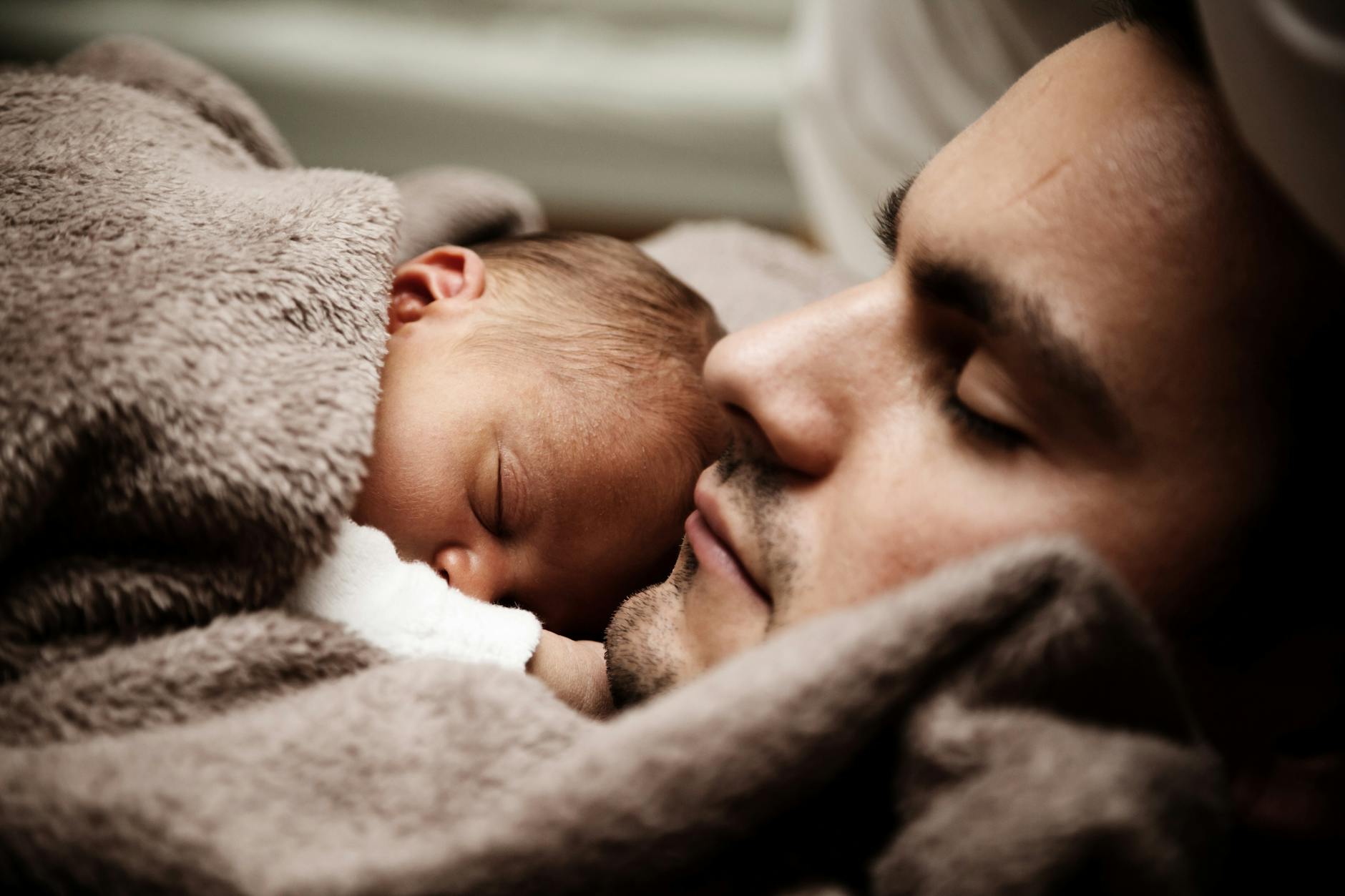
The sign’s power multiplies when you add facial expression. As you perform the motion, relax your face completely and make your eyes droopy—as if you’re actually becoming sleepy yourself. This exaggerated facial expression isn’t silly or fake; it’s a teaching tool that helps your baby connect the hand movement with the emotional state of being tired. Without the droopy eyes and relaxed face, the sign loses much of its clarity and becomes just another hand gesture.
For deeper emphasis, especially when teaching a very young baby, repeat the sign twice in close succession while blinking your eyes twice to accompany the gesture. This repetition helps cement the association in your baby’s mind. However, if your baby is already showing signs of understanding the single sign, you may find that repeating it makes them less likely to imitate because they’re waiting for the full sequence. Watch your individual child’s response—some babies master the single version first, then pick up the repetition naturally, while others seem to learn the emphatic two-sign version from the start.
Teaching Your Baby the “Sleepy” Sign with Contextual Cues
The most effective teaching happens during actual moments when sleep is relevant. During your baby’s bedtime routine, exaggerate the sign while speaking the word out loud: “Mommy is sleepy” or “Baby is sleepy.” Add physical cues by tilting your head toward your shoulders and resting it on both hands—mimicking the sleeping posture. This multi-sensory approach helps your baby connect the hand gesture with the concept of rest and sleep. Consistency across caregivers matters tremendously.
If only one parent signs “sleepy,” your baby learns it as specific to that person rather than as a universal concept. Share the sign with grandparents, daycare providers, and anyone else who spends significant time with your baby. When everyone uses the same sign the same way, your child internalizes it as a reliable tool for communication. You’ll typically see babies beginning to produce recognizable versions of this sign anywhere from 8 to 14 months of age, depending on their individual development and exposure.
Why “Sleepy” Becomes One of the First 11 Signs to Teach
“Sleepy” ranks among the most practical early signs because it solves a real communication problem during a predictable part of every day. Babies cry for dozens of reasons, but when they can sign “sleepy,” you immediately know what they need. This is why experts include it in the foundational set of early signs, alongside signs like “milk,” “more,” “all done,” and “help.” The sign’s simplicity makes it achievable for babies whose motor skills are still developing.
Unlike signs that require precise finger movements or hand shapes, “sleepy” relies on a large, sweeping motion that even a baby with developing fine motor control can approximate successfully. Your baby doesn’t need perfect execution—their rough version of the sign, even if the hand shape isn’t perfect, becomes recognizable once you’ve taught them the context. Compare this to a more complex sign that might frustrate a young learner, and you understand why this sign appears so early in structured baby sign language curricula.
Troubleshooting When Your Baby Isn’t Learning the Sign
If your baby seems confused or isn’t picking up the sign after several weeks of consistent exposure, take a step back and assess your teaching context. Some babies need the sign paired with other activities before they grasp it—try signing “sleepy” right before naptime while singing a lullaby, or immediately after your baby wakes up and you notice they’re still drowsy. Adding these stronger contextual anchors can help. However, if your baby is under 8 months old and showing no interest, this is completely normal.
Younger babies benefit from exposure to the sign, but don’t expect production (actually signing back) until closer to their first birthday or beyond. Avoid the temptation to abandon the sign if your 6-month-old doesn’t immediately copy you—consistency pays off over time. Another common issue: babies sometimes modify the sign in ways that become their own version, and that’s not a problem. If your baby brings their hand down to their face but in a slightly different trajectory, they’re still communicating the sleepy concept, and you should reinforce their version with enthusiasm.

Combining “Sleepy” with Related Signs for Bedtime Routines
Once your baby masters “sleepy,” introduce complementary signs for a more complete bedtime vocabulary. The sign for “bed” involves placing both palms together against your cheek (mimicking a pillow), and pairing it with “sleepy” creates a fuller thought. You might sign “sleepy, bed” during evening routines, helping your baby understand the sequence of events.
Similarly, some families add “night-night” or signs for other bedtime activities like “bath” or “brush teeth.” This layering approach turns signing into the foundation of language development rather than an isolated gesture. Your baby begins to string signs together, moving from single-sign utterances into early sign phrases. This progression mirrors how spoken language develops in hearing children—they begin with single words and gradually combine them into simple phrases. By starting with practical signs like “sleepy” and building from there, you’re teaching your child that communication is about combining ideas.
How Early Signing Shapes Long-Term Language Development
teaching baby sign language, beginning with foundational signs like “sleepy,” contributes to broader language and cognitive development. Research on babies exposed to sign language from infancy shows earlier language development overall compared to children with no early sign exposure. The neural pathways involved in recognizing and reproducing signs activate the same language centers in the brain that spoken language uses—sign language is a complete language, not a simplified version.
As your child grows, the communication skills they develop through signing support literacy, emotional expression, and cognitive flexibility. A toddler who learned to sign “sleepy” at 10 months continues developing more sophisticated language concepts—they understand that hand shapes, movements, and facial expressions carry meaning. This foundational understanding transfers to learning to read and write. Even families with no deaf relatives find that early sign language exposure benefits their children’s overall language acquisition and provides a meaningful tool for communication during ages when speech is still emerging.
Conclusion
Teaching your baby the sign for “sleepy” is one of the highest-impact early signs you can introduce. The sign itself is simple: hand above the face, fingers spread, bring down to below the chin with fingers touching thumb while making your eyes droopy and relaxed. Pair this motion with consistent spoken language during actual sleepy moments, and your baby will begin using it to communicate their needs rather than resorting to fussiness.
Start signing “sleepy” regularly during bedtime and nap routines, involve all caregivers, and be patient—most babies begin producing recognizable versions between 8 and 14 months. Once your baby masters this sign, you have the foundation for introducing related concepts like “bed” and “night-night,” gradually building a richer vocabulary that supports their overall language development. Every sign you teach early is a step toward communication clarity and reduced frustration for both you and your child.