
The science of baby sign language reveals something surprising: the benefits are real, but more modest and temporary than popular parenting culture suggests. Research shows that babies can start learning signs as early as 4-6 months, with most beginning to sign back around 8 months old, which is actually earlier than most children speak their first words. For example, a baby taught the sign for “milk” alongside the spoken word can request milk by signing weeks or even months before saying the word aloud. The appeal is clear—it gives infants a communication tool during the gap between understanding language and producing speech, reducing frustration for both baby and parent.
However, the scientific landscape is more complicated than marketing materials suggest. While early studies reported dramatic benefits to IQ and language development, recent research from 2026 involving over 1,300 children found weak to no measurable effects on vocabulary when accounting for socioeconomic factors, though signing was not harmful. The American Academy of Pediatrics endorses baby sign language as a helpful communication tool, but also acknowledges that scientific evidence is limited and inconsistent. This article explores what the actual research shows, when and how to teach baby sign language effectively, and what realistic expectations should be.
Table of Contents
- When to Start Teaching Baby Sign Language—Developmental Readiness and Timing
- What the Research Shows About Brain Development and Cognitive Benefits
- Does Baby Sign Language Delay Speech Development?
- The Behavioral and Social-Emotional Benefits of Baby Sign Language
- The American Academy of Pediatrics Position and What the Evidence Actually Shows
- How to Teach Baby Sign Language—What Actually Works
- Baby Sign Language in Broader Developmental Context
- Conclusion
When to Start Teaching Baby Sign Language—Developmental Readiness and Timing
Babies typically develop the physical dexterity and cognitive ability to learn sign language around 8 months old. Experts recommend introducing signs between 4 to 6 months of age, with 6 to 7 months being optimal for most babies. Starting early has an advantage: babies are already watching your hands and face, and early exposure may create neural pathways that benefit language learning generally, though the evidence on this remains mixed. The timeline for seeing results requires patience. Babies won’t sign back to you until approximately 6 to 9 months old, depending on how consistently you use signs and how advanced they are developmentally.
Most babies begin using signs themselves around 8 months old. This means parents should expect several months of one-way communication—you signing consistently while your baby watches—before seeing any reciprocal signing. Some parents find this period discouraging and stop, which is why consistency matters more than starting early. It’s important to recognize that babies develop at different rates. A baby who doesn’t begin signing by 10 months isn’t behind or unlikely to benefit—development varies widely. If you’re concerned about developmental delays, that’s a conversation for your pediatrician, but baby sign language itself isn’t a diagnostic tool.

What the Research Shows About Brain Development and Cognitive Benefits
Early research on baby sign language reported striking benefits. One long-term follow-up study found that signing infants had IQs 12 points higher than non-signing peers by age 8. Separately, research from Indiana University in February 2025 showed that baby sign language boosts early literacy skills. These findings generated excitement in developmental psychology and parenting circles, with some experts claiming signing infants had a lasting intellectual advantage. More recent research, however, complicates this picture. A 2026 study examining 1,348 French children—723 with baby sign exposure and 625 without—found weak to no effect on vocabulary when researchers controlled for socioeconomic status.
This is an important distinction: babies from more educated, higher-income families were more likely to be taught signs, and these families tend to have advantages across many developmental domains. When the researchers accounted for these factors, the signing advantage largely disappeared. Importantly, the study found that signing was not detrimental to language development, so there’s no downside to teaching it. The nuance matters for setting realistic expectations. Baby sign language likely doesn’t create a lasting IQ boost or guarantee literacy advantages. Instead, it appears to be one of many tools that can support early communication and learning when used consistently as part of a stimulating home environment. The benefits shown in studies demonstrating 3-month advantages in verbal skills at age 2 tend to fade by age 3, according to research that tracked outcomes over time.
Does Baby Sign Language Delay Speech Development?
One persistent parental concern is that teaching a baby sign language will delay their development of spoken language. The research is clear on this point: signing does not delay spoken language development. In fact, studies show the opposite pattern. Babies taught sign language demonstrated higher word comprehension rates and showed verbal skills 3 months ahead of non-signing peers at 2 years old. The mechanism is thought to work like this: when you sign a word and say it simultaneously, you’re creating multiple neural pathways to the same concept. A baby learning the sign and spoken word for “milk” has two ways to encode and access that meaning.
Far from creating confusion, this appears to support richer, more robust language development. The sign isn’t competing with speech—both channels are reinforcing each other. One caveat: these benefits assume you’re using signs alongside spoken language, not as a replacement for it. The research on bilingual sign-speech development involves consistent exposure to both modalities. If a child is only exposed to signs and not also to spoken language (or sign language as a primary language), that’s a different developmental context entirely. For hearing children of hearing parents using baby sign language, the consistent pairing of signs with spoken words is essential.

The Behavioral and Social-Emotional Benefits of Baby Sign Language
Beyond language development, research documents meaningful changes in parent-child interaction when signing is introduced. Babies taught sign language are more engaged, more connected with their parents, and initiate interaction more frequently. Parents who use signs with their babies report experiencing less stress and frustration, and they’re more affectionate with their children. These social-emotional benefits may be among the most consistent findings in the research, even as some of the cognitive benefits appear more modest than once thought. The mechanism seems straightforward: signing provides an early channel for babies to express needs—milk, more, help, all done—before they can speak.
A baby who can sign “more” when they want another spoonful of food is communicating clearly rather than crying or fussing. The parent understands the need immediately, responds promptly, and both parties experience reduced frustration. Over time, this smoother interaction pattern may build stronger attachment and more positive daily interactions. A practical example: a 7-month-old learns the sign for “more.” At mealtime, she finishes her applesauce and signs “more” instead of crying. The parent sees the sign, knows exactly what she wants, provides more applesauce immediately, and says “Yes, more applesauce!” This creates a satisfying communication loop, even though the baby isn’t speaking yet. Over time, this repeated pattern of clear communication, prompt response, and positive interaction likely contributes to stronger attachment and a calmer home environment.
The American Academy of Pediatrics Position and What the Evidence Actually Shows
In 2011, the American Academy of Pediatrics announced that baby sign language is a helpful communication tool and endorsed its use. This official recommendation carries weight with parents and has significantly increased adoption of baby sign language. However, the AAP also has a caveat worth noting: despite the endorsement, the AAP acknowledges that scientific evidence examining baby sign language remains limited and inconsistent. This caveat exists because while we have strong evidence that signing doesn’t harm development and may provide some benefits, we don’t have overwhelming evidence for dramatic, lasting effects. The studies showing the largest benefits often had smaller sample sizes or didn’t adequately control for confounding factors like parental education and home language exposure.
The larger, more rigorous studies from 2025 and 2026 have found more modest effects. Understanding the duration of benefits is also important. Many studies showing advantages note that these benefits often disappear by age 3. A baby who has a 3-month advantage in verbal skills at 2 years old may show no advantage by preschool age. This doesn’t mean signing was pointless—the benefits to parent-child interaction and reduced frustration in the toddler years are real and meaningful—but it does suggest that baby sign language is not a permanent cognitive enhancement. It’s a tool for improving communication and connection during the early months and years.
How to Teach Baby Sign Language—What Actually Works
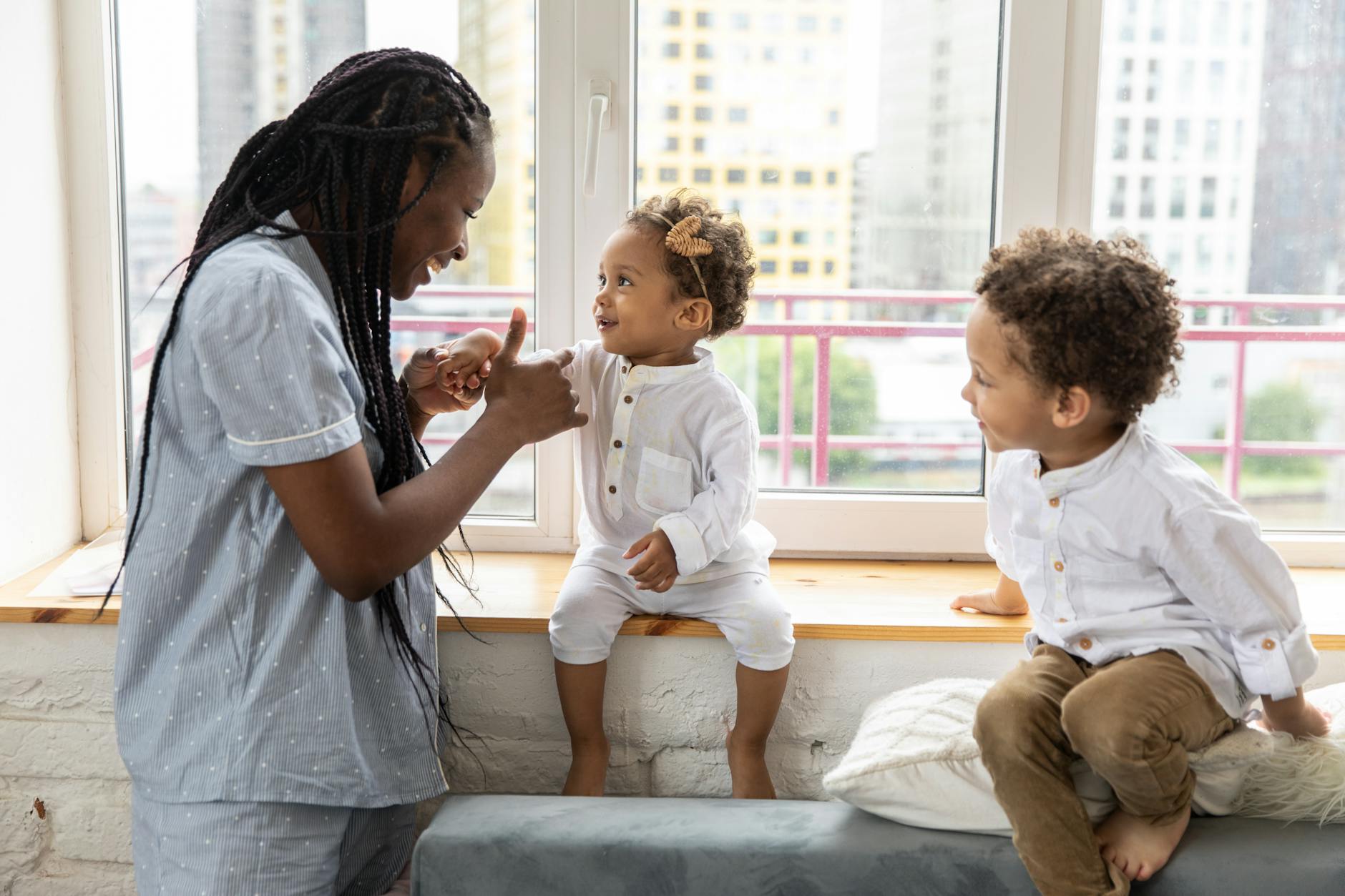
Consistency is the single most important factor in whether baby sign language “works.” Signing occasionally or only at one meal per day is unlikely to lead to your baby signing back. The research points to daily, frequent use integrated into routine activities—mealtimes, bath time, playtime—as necessary for babies to pick up signs. You’re essentially providing an immersion experience, though with exposure to both signed and spoken language. The approach matters. Rather than overwhelming your baby with an extensive vocabulary of signs, start with frequently-used ones that appear multiple times daily: milk, more, eat, help, please, thank you, all done, more, water. Each time you present a sign, say the word aloud simultaneously.
So when your baby is hungry and you’re preparing food, you say “milk” and make the sign for milk. This pairing of sign and speech is essential—it’s what supports language development across both modalities. An important practical note: there’s a difference between learning a few functional signs to improve communication with your baby and learning American Sign Language (ASL) itself. Baby sign language typically uses simplified signs or a subset of ASL signs in English word order, sometimes called “Pidgin Signed English” or home signs. This is perfectly valid for communication purposes and early language exposure, but it’s not the same as raising a child bilingually in ASL and English. If you’re interested in full ASL fluency for your child, that’s a different, longer-term commitment involving exposure to Deaf communities and culturally native signers.
Baby Sign Language in Broader Developmental Context
Baby sign language fits into a larger picture of early language and communication development. It’s one tool among many—others include reading aloud, narrating daily activities, singing songs, and responding warmly to your baby’s communication attempts in any modality. The actual language-rich, responsive environment matters more than whether that environment includes signs.
Looking forward, research on baby sign language is becoming more rigorous. The larger studies from 2025 and 2026 represent a shift toward more careful examination of effects and better control for confounding variables. This doesn’t mean baby sign language is being “debunked”—it means the evidence base is maturing and becoming more honest about both the real benefits and the realistic limitations. For families interested in teaching baby sign language, the key insight is that the benefits are real but modest, temporary, and best understood as one component of responsive, language-rich parenting rather than a standalone developmental accelerator.
Conclusion
Baby sign language science shows that starting between 4 and 6 months old, with consistent daily practice, babies typically begin signing back around 8 months old. The research supports the benefits parents report: clearer communication, less frustration, stronger parent-child interaction, and social-emotional gains. Signing does not delay spoken language—in fact, it correlates with better verbal outcomes in the short term. The American Academy of Pediatrics endorses it, and the research supports its use as a helpful communication tool.
At the same time, realistic expectations matter. The long-term cognitive benefits once thought to be substantial appear more modest in rigorous recent studies, and early advantages often fade by age 3. Baby sign language works best when paired with spoken language, practiced consistently in daily routines, and understood as part of a larger picture of responsive, language-rich parenting. If you’re considering teaching your baby signs, the research clearly supports starting sooner rather than later, being consistent with a core set of functional signs, and pairing signs with speech. The benefits may not be as dramatic as some parenting culture suggests, but they are real and worth the modest effort required.