
At 12 months old, babies who have been exposed to sign language can typically sign around 10 signs—a significant jump from the roughly 3 signs most babies produce at 8 months. This doesn’t mean your one-year-old is fluent, but it does mean consistent exposure to sign language at this age creates measurable communication. For example, a 12-month-old might sign “more,” “milk,” “mom,” “dad,” and a few other frequently-used gestures, giving them a real way to express needs before spoken words emerge. What’s equally important to understand is that even without producing signs themselves, babies at this age understand almost everything you say to them—a gap between what they comprehend and what they can express that sign language helps bridge.
This article covers the realistic expectations for your 12-month-old’s signing ability, what the research actually says about developmental benefits, practical strategies for consistent signing, and how to navigate some of the myths about baby sign language. At this stage, your baby’s hands are developmentally ready for signing in ways their mouth may not be ready for complex speech. This is one of the core advantages that makes sign language meaningful at 12 months: hand motor skills develop earlier than the fine motor control needed for spoken language. This doesn’t mean sign language will necessarily make your child speak earlier overall, but it does give them a concrete tool for communication right now.
Table of Contents
- What Can a 12-Month-Old Actually Sign?
- Receptive Language Is Doing Heavy Lifting at 12 Months
- The Hand Development Advantage Explained
- Building a Consistent Signing Habit at 12 Months
- The Missing Evidence on Language Acceleration
- Signing and Typical Hearing Child Development
- Planning Forward From 12 Months
- Conclusion
What Can a 12-Month-Old Actually Sign?
The signs a 12-month-old produces tend to be simple, high-frequency gestures tied to their immediate life. These typically include labels for people (“mommy,” “daddy”), common needs (“more,” “milk,” “eat”), and objects they interact with daily (“ball,” “dog,” “shoes”). The exact signs depend entirely on what you’ve been modeling. If you’ve consistently signed “more” during meals and snack times, you’ll likely see your baby signing it back by now. If you haven’t focused on any particular signs, your baby may not have started signing yet—and that’s completely normal. Timing varies significantly among children exposed to sign language, with most babies beginning to sign back somewhere between 10 and 14 months. One important limitation to recognize: the quality of these early signs is rough. Your baby’s “milk” sign might not look exactly like adult ASL.
Their hands might be in the approximate location, their fingers might not be in the precise configuration, and the motion might be loose or exaggerated. This is developmental, just as early spoken words are often mispronounced. Most families find that accepting these approximations and responding positively encourages more signing. If you insist on perfect form, you risk discouraging your baby from attempting the sign at all. The number of signs isn’t the whole picture either. At 12 months, receptive understanding far outpaces production. Your baby likely comprehends 100 or more signs even if they’re only producing 10. This means they’re building sign language competence even when you’re not seeing signs come back yet.
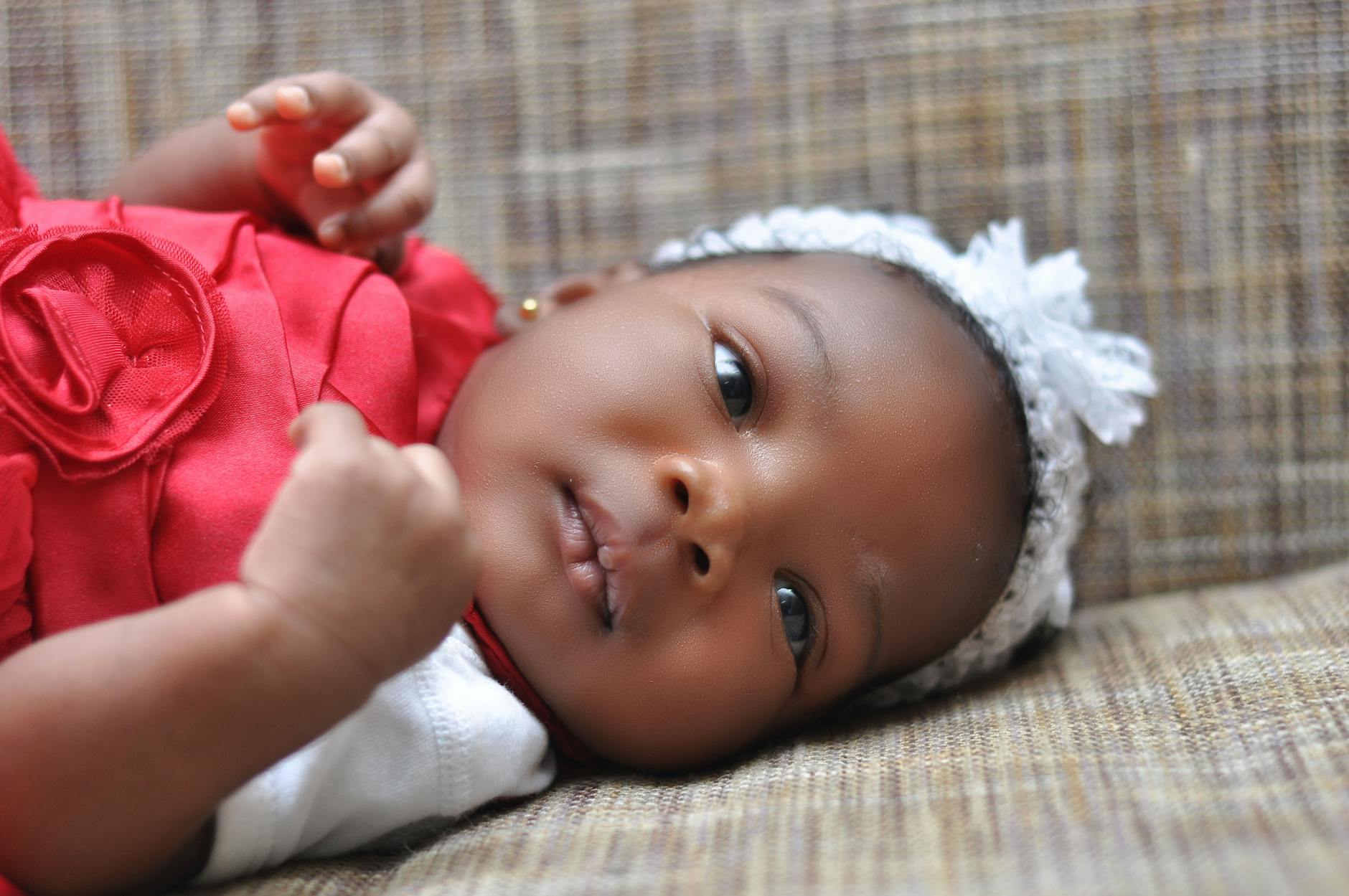
Receptive Language Is Doing Heavy Lifting at 12 Months
By age 12 months, babies understand almost everything communicated to them, whether spoken or signed—even when they can only produce a handful of words or signs themselves. This receptive understanding is the foundation. Your baby hears (or sees) you use the word “jacket” 50 times, understands what you mean, and eventually produces it. The same process happens with sign language, except the production window comes earlier because hand movements are less complex than the speech apparatus. However, this receptive advantage doesn’t automatically translate to faster spoken language later. A 2026 peer-reviewed study examining the effects of baby sign on vocabulary development found weak to no effect on overall vocabulary or caregiver behavior after controlling for socioeconomic status and parent-child interaction patterns.
This is an important finding because it challenges the idea that baby sign is a shortcut to language advantage. The study suggests that the actual key driver of language development is the frequency and quality of parent-child interaction, whether that interaction happens through sign, speech, or both. A parent who signs consistently and engages deeply with their child may see earlier communication, but that advantage comes from the engagement, not from the medium itself. If you’re introducing sign language specifically because you hope it will improve your child’s overall language outcomes, the evidence suggests you need realistic expectations. What sign language does offer at 12 months is a real communication bridge right now—a way for your baby to express a need immediately, which reduces frustration and can create positive interaction loops. That’s meaningful, but it’s different from claiming it will produce a linguistically advanced child.
The Hand Development Advantage Explained
The reason baby sign language shows up earlier than spoken words is straightforward: hand motor control develops before the fine motor control needed for speech. Coordinating your lips, tongue, and breath to produce clear consonants and vowels is extraordinarily complex. Shaping your hands and moving them in space is, by comparison, more within reach of a 10-month-old’s developing motor system. This isn’t about sign language being easier overall—it’s about the specific motor demands at this developmental window. For children exposed to sign language from infancy, this motor readiness means they can begin meaningful communication earlier. A study found that infants exposed to sign language acquired their first signs earlier than typical first spoken words.
The difference might be a few months—beginning to sign back at 10-11 months versus saying their first word at 12-14 months. Those months matter to a parent and baby trying to understand each other; earlier communication can reduce frustration during the difficult pre-verbal stage. The catch is that this early signing advantage typically evens out by age 2 or 3. Children who spoke later but signed earlier often catch up in speech, and the long-term language trajectories become similar. This isn’t a statement against sign language—many children benefit from multilingual development in speech and sign—but it’s an important tempering of expectations. You’re not buying long-term language acceleration; you’re gaining earlier communication access right now.

Building a Consistent Signing Habit at 12 Months
If you want your 12-month-old to begin signing, consistency is the primary driver. Occasional signing—using ASL for “more” at dinner on Thursdays but not at breakfast—won’t produce much output. Daily, routine signing in meaningful contexts works. The most effective approach targets high-frequency routines: meals (signing “more,” “milk,” “eat”), getting dressed (“shoes,” “shirt,” “on”), playtime (“ball,” “play,” “mine”), and transitions (“all done,” “up,” “down”). Start with just 3-5 signs and use them consistently for two to four weeks before adding new ones. This gives your baby enough exposure to recognize the sign and build the motor pattern to produce it.
Comparing different approaches: some families invest in baby sign language classes, which provide structured instruction and community. Others learn signs independently from online resources and practice at home. Research shows that the class environment provides no advantage over home-based signing in terms of your baby’s output—what matters is parental consistency and modeling. Classes may benefit the parents (reducing isolation, providing encouragement) more than the babies themselves. A practical tip: position yourself at your baby’s eye level when signing, sign clearly without exaggeration that changes the sign’s form, and sign immediately before or after the thing you’re labeling. Signing “more” while your baby is reaching for applesauce is infinitely more useful than signing it randomly; the context makes it learnable.
The Missing Evidence on Language Acceleration
One common claim about baby sign is that it reduces frustration during the pre-verbal stage, which indirectly improves language development. The logic is sound: if signing lets your baby communicate their needs earlier, they get frustrated less, you respond more readily, and that positive feedback loop creates richer language input. This may be true—but it’s not actually been demonstrated rigorously in research. What we do know is that no studies have reported any adverse effects from baby sign language on typical language development. Despite decades of using sign language with hearing children of deaf parents, there’s no evidence of harm—no speech delays, no language confusion, no negative outcomes.
This is genuinely reassuring. However, the flip side is that robust evidence for significant developmental advantage is also limited. The 2026 study mentioned earlier directly challenges claims of substantial benefit. The honest summary is: baby sign language is safe and can improve immediate communication, but don’t expect it to transform your child’s language trajectory unless you’re pairing it with generally high-quality parent-child interaction. And if you’re not naturally drawn to signing, the energy spent forcing it might be better invested in other forms of rich interaction.

Signing and Typical Hearing Child Development
For hearing children in hearing families—the context where baby sign language is elective rather than cultural or familial—12 months is a normal time to be starting signs if you’ve decided to use them. It’s also completely normal not to be using them. Neither choice produces “better” outcomes in the long run, according to the available evidence.
The choice is more about what fits your family’s communication style and what you’re comfortable maintaining over months. For families with a deaf parent or deaf family members, sign language exposure at 12 months is part of natural language development, not an optional enrichment. These children typically develop age-appropriate sign language alongside whatever spoken language they’re exposed to, with no compromise to either language system. This multilingualism is neurologically healthy and supported by decades of research on children of deaf adults.
Planning Forward From 12 Months
As your baby moves from 12 months toward 18 months and beyond, the signs they’re producing will multiply naturally if you continue modeling. Most children in consistent signing environments will have 50-100 signs by 18 months. Whether they’ll use sign language as a primary language or as a supplementary tool depends on your family’s broader language context. If everyone around them speaks but also signs, they’ll likely develop as a bilingual speaker-signer. If they’re being raised in a deaf community, sign will be their first or primary language.
The broader takeaway for this stage is that 12 months is still early. You’re building foundations. Whether those foundations support a lifelong bilingual identity or serve primarily to bridge a specific developmental window depends on the family context. What matters now is realistic expectations, consistent exposure if you choose to sign, and recognition that your baby’s receptive understanding is already far ahead of their expressive output. Whatever communication tools you’re building with your 12-month-old—signed, spoken, or both—the relationship and responsiveness behind them matter far more than the specific medium.
Conclusion
At 12 months, a baby exposed to sign language can produce around 10 signs, while understanding significantly more. This is a meaningful development window: earlier communication than typical spoken words, less frustration, and a genuine bridge between what your baby understands and what they can express. However, realistic expectations matter. The research shows no significant long-term language advantage from baby sign unless it’s paired with the kind of rich, responsive parenting that would support language development regardless of the medium.
If you’re drawn to sign language for your family, 12 months is not too late to start—most babies begin producing signs between 10 and 14 months. If you’re introducing it now, focus on consistency with a small set of high-frequency signs, position it in meaningful routines, and don’t worry about perfect form. If sign language doesn’t fit your family’s context or comfort level, your baby’s language development will be fine. The evidence consistently shows that parental engagement, responsiveness, and the variety of language input matter far more than the specific modality. Whatever communication system you’re using with your one-year-old, you’re likely already doing what matters most.