
Yes, one-year-olds can absolutely learn sign language, and research shows this is an ideal time to start. Babies around 12 months old have developed the motor control and cognitive ability needed to produce recognizable signs, with most babies naturally beginning to gesture and sign between 9 and 12 months of age. For example, a one-year-old exposed to signs for “milk,” “more,” or “all done” can learn to produce these signs in response to seeing them demonstrated repeatedly by parents or caregivers.
This article explores how sign language develops in one-year-olds, why this age group benefits from early sign exposure, what specific signs work best at this stage, common misconceptions about sign language and speech development, and practical strategies for introducing signs into daily routines with your toddler. One of the most significant findings from decades of research is that sign language does not delay spoken language—it actually supports it. Babies and toddlers who are exposed to sign language develop larger vocabularies and stronger language skills overall compared to peers without sign exposure. This makes the one-year-old window particularly valuable, as you’re building language foundations that will benefit your child for years to come.
Table of Contents
- When Should You Start Teaching Sign Language to Your Baby?
- How Sign Language Development Works in One-Year-Olds
- Developmental Benefits of Sign Language for One-Year-Olds
- Which Signs Should You Teach a One-Year-Old First?
- Addressing Misconceptions About Sign Language and Speech Development
- Sign Language and Other Aspects of One-Year-Old Development
- Looking Forward: Building Language Skills from One Year Forward
- Conclusion
- Frequently Asked Questions
When Should You Start Teaching Sign Language to Your Baby?
The recommended window for introducing sign language is between 6 and 8 months of age, which means if your child is already one year old, you’re in an excellent position to begin. However, there is no hard cutoff or magical window that closes—parents can introduce sign language successfully at any age, whether their child is 12 months, 18 months, or older. The earlier you start, the more time your child has to develop signs naturally alongside spoken language, but starting at one year is far from too late.
Research has documented that babies can produce their first recognizable signs around 8.5 months of age on average, with some children signing as early as 5.5 months and most beginning to sign somewhere between 8 and 12 months. The variation depends on exposure frequency, the quality of sign demonstration by caregivers, and individual development rates. A one-year-old who has had several months of sign exposure may already produce multiple signs, while a one-year-old just being introduced to signs is likely in the early phases of learning. Neither scenario is problematic—the brain of a one-year-old is remarkably capable of acquiring language through observation and repetition.
How Sign Language Development Works in One-Year-Olds
The physical readiness for sign language emerges around 8 months of age, when babies develop sufficient motor dexterity and cognitive ability to intentionally produce hand shapes and movements. By one year, most children have the fine and gross motor skills needed to form basic signs with some accuracy, even if the hand shapes aren’t perfect or the movements aren’t precise. This is normal—just as a one-year-old’s spoken words are often mispronounced, signed words will be imperfectly formed, and caregivers naturally understand what the child intends.
One important caveat: children learn signs best through consistent, repeated live demonstration combined with responsive feedback. Watching videos of signs can help, but it doesn’t replace face-to-face interaction where a caregiver models the sign, the child watches and attempts to imitate, and the caregiver acknowledges the attempt. One-year-olds have a developing ability to learn from video or pictures alone, so the bulk of learning should happen during daily interactions. Additionally, signs need to be demonstrated in context—showing your child the sign for “milk” while actually giving them milk, or signing “more” while offering additional snacks, helps the child connect the sign to its meaning.
Developmental Benefits of Sign Language for One-Year-Olds
A landmark study conducted by Dr. Linda Acredolo and Dr. Susan Goodwyn, funded by the National Institute of Health, followed babies who were exposed to sign language starting around 11 months of age. By age two, these children had significantly larger vocabularies and understood more words compared to babies without sign exposure. This wasn’t a small difference—the signing group demonstrated measurably stronger language development overall.
The mechanism is straightforward: when a baby can express “more,” “milk,” or “help” through signs before they can pronounce these words clearly, they’re expanding their communication toolkit and building neural pathways for language. Beyond vocabulary, one-year-olds who use sign language experience immediate emotional and behavioral benefits. Because signs often emerge before clear speech—a one-year-old might sign “more” before saying the word—children can communicate their needs and thoughts more effectively, which dramatically reduces frustration. A baby who can sign “all done” is telling you they’re finished eating rather than crying or throwing food. This reduction in frustration-based tantrums is one of the most frequently reported benefits by parents who use sign language with their one-year-olds. Additionally, when you respond to your child’s signs, you’re strengthening the parent-child bond through more responsive and attuned caregiving—you’re meeting their needs faster, and the child learns that communication works.
Which Signs Should You Teach a One-Year-Old First?
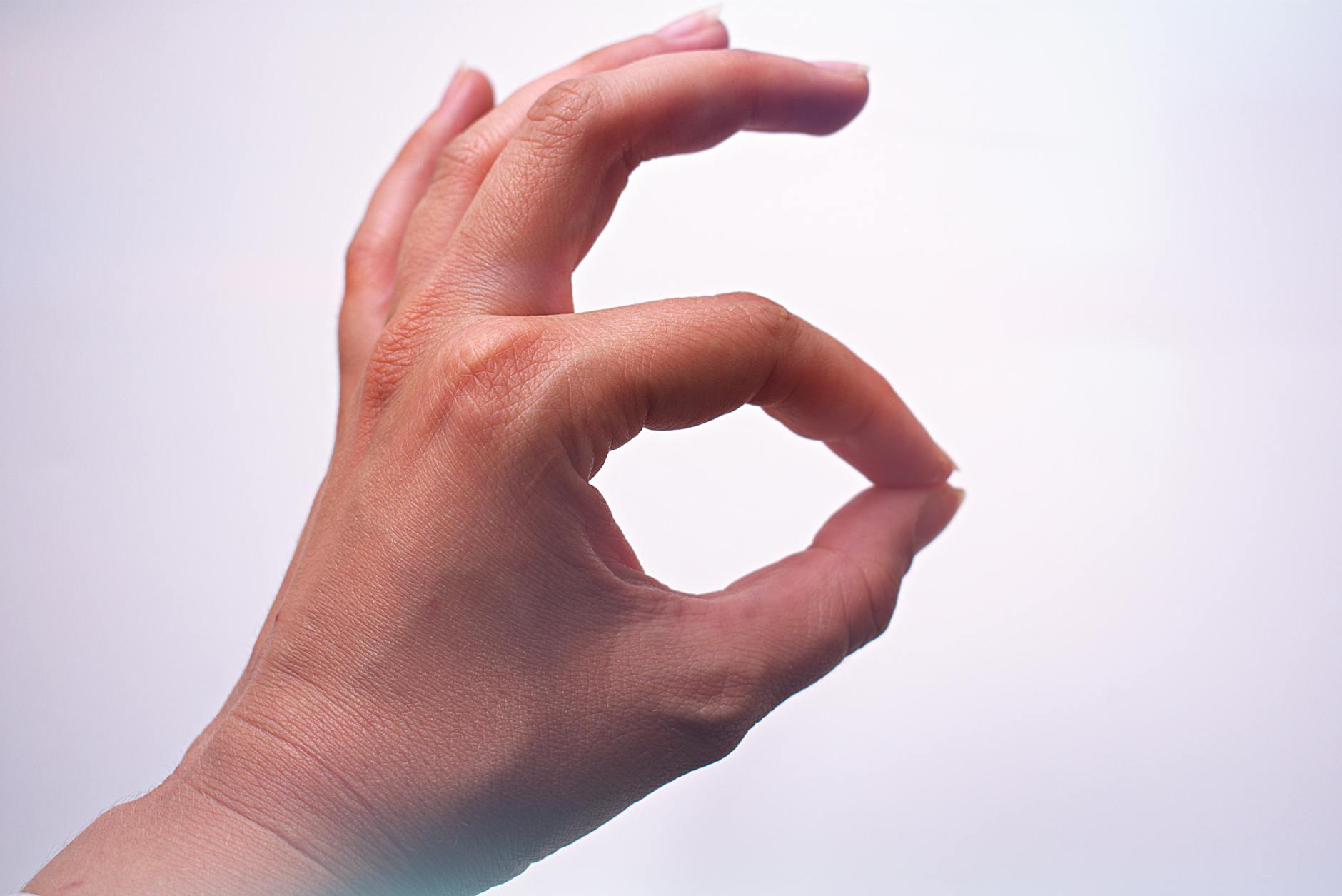
The most useful first signs for one-year-olds are those connected to daily routines and immediate needs. Signs like “milk,” “more,” “all done,” “please,” “thank you,” “help,” “water,” “mommy,” “daddy,” “dog,” and “cat” are ideal starting points because your child encounters these concepts multiple times every day. When your one-year-old learns to sign “milk” and gets milk as a result, the sign proves immediately useful. Compare this to learning the sign for “elephant”—while perfectly learnable, a one-year-old won’t encounter elephants regularly enough for the sign to feel relevant. A practical approach is to select 5 to 10 high-frequency signs and use them consistently across multiple contexts.
For example, teach “more” not just at meals, but during play (“more blocks?”) and music (“more singing?”). This repetition across contexts helps the sign stick. Some families find it helpful to choose signs that are visually distinctive or that involve full-body movement (like “jumping”), as these tend to be easier for one-year-olds to imitate. Others prefer emotionally significant signs—like the sign for “I love you”—even if the child doesn’t use them initially, because it deepens the sense of connection. Both approaches work; the key is consistency and regular exposure rather than the specific choice of signs.
Addressing Misconceptions About Sign Language and Speech Development
The most persistent concern parents have is that sign language might delay or interfere with spoken language development. Research has thoroughly disproven this. Studies consistently show that children exposed to sign language develop spoken language on a typical timeline or even earlier than peers without sign exposure. In fact, because sign language builds broader language neural pathways and expands overall vocabulary, bilingual (sign and spoken) children often develop stronger language abilities overall than monolingual children. However, one context where sign language exposure requires careful consideration is if your child has a hearing loss and is not yet receiving hearing aids or cochlear implants.
In these cases, sign language is the primary language and should be prioritized, with spoken language development supported through hearing technology if appropriate. A one-year-old with hearing loss who has access to sign language from birth will develop cognitively and linguistically on a normal timeline; a one-year-old with hearing loss who lacks access to any fluent language (neither sign nor amplified speech) faces genuine developmental delays. The key is ensuring your child has access to a complete, natural language—whether that’s spoken, signed, or both. Another important limitation: if no one in your child’s immediate environment is fluent in sign language, your one-year-old won’t develop sign fluency. Signs need to be modeled consistently by people around the child. Occasional signs from YouTube videos or parents learning alongside their child is valuable, but it’s not the same as growing up immersed in sign language.

Sign Language and Other Aspects of One-Year-Old Development
Learning sign language sits comfortably alongside other developmental milestones at one year old. Many one-year-olds are simultaneously developing spoken words, pointing and gesturing naturally, learning to walk or cruise, and expanding their social understanding. Sign language uses the same language-learning circuits in the brain as spoken language, so introducing signs doesn’t create cognitive conflict or compete with other learning. In fact, the gesturing that one-year-olds do naturally—pointing, waving, reaching—overlaps significantly with early sign production.
An example: a one-year-old who waves “bye-bye” as a natural gesture is demonstrating the same kind of intentional motor control used in signing. If you teach this child to wave and simultaneously model the ASL sign for “bye-bye,” the child begins to merge these together. Over time, the sign becomes more refined. Conversely, if a one-year-old is not yet producing natural gestures, introducing signs may actually accelerate this development—it gives the child a structured way to practice intentional hand movements and see the communicative result.
Looking Forward: Building Language Skills from One Year Forward
The one-year-old who begins learning sign language is building foundations that extend far beyond this single year. Research shows that children who have sign exposure beginning around one year develop measurably stronger language skills—both signed and spoken—by age two, age three, and beyond. This isn’t just about vocabulary size; it’s about the structural understanding of language, the ability to combine concepts, and the confidence that communication works. As your child moves from one year toward two and beyond, signs naturally develop into more complex combinations. A child who can sign “more milk” is beginning to construct phrases.
A child who signs “daddy come” is expressing relationships and requests. This progression mirrors language development in hearing children who are learning spoken language. The signing one-year-old is not on a different developmental trajectory—they’re on the same trajectory, just with an additional tool. For families continuing sign language as a long-term communication strategy, whether due to Deaf culture, family preference, or a child’s hearing loss, the foundation built at one year becomes the bedrock for bilingual language competence. For hearing families using sign language as one communication tool among others, the cognitive benefits persist even if sign use decreases over time.
Conclusion
One-year-olds are developmentally ready to learn sign language and benefit significantly from sign exposure at this age. Research consistently demonstrates that sign language does not delay speech; rather, it supports overall language development, producing children with larger vocabularies and earlier language milestones. Beyond vocabulary, sign language at one year provides immediate practical benefits—reduced frustration, stronger parent-child bonding, and the thrill of successful communication for a child who finally has a way to express their needs.
If you’re considering introducing sign language to your one-year-old, start with high-frequency, contextually relevant signs used consistently across daily routines. Choose caregivers who will model the signs regularly, and focus on building understanding before expecting production—your child may understand and respond to your signs before they produce their own. Whether you’re exploring sign language for linguistic benefits, cultural reasons, communication accessibility, or family connection, one year is an excellent age to begin. Your child’s developing brain is primed to acquire language in all its forms.
Frequently Asked Questions
Will sign language confuse my one-year-old if they’re also learning spoken language?
No. Research shows that bilingual exposure (sign and spoken language) supports language development. Children with both modalities typically develop stronger overall language skills, not weaker ones or delayed ones.
How long does it take a one-year-old to learn a sign?
This varies widely. Some one-year-olds produce a recognizable sign after a few weeks of exposure; others take several months. Frequency of exposure, quality of modeling, and individual temperament all influence the timeline. Consistency matters more than speed.
My one-year-old isn’t producing signs yet, only understanding them. Is this normal?
Yes. Comprehension typically precedes production in language development. Your child may understand 10 signs before producing even one. This is a normal phase and doesn’t indicate a problem.
Does my family need to use American Sign Language (ASL) specifically, or can we use homemade signs?
Either works for your family’s communication. ASL is a complete, natural language with grammar and structure. Homemade family signs (sometimes called “home signs”) communicate effectively within your family but lack the richness and grammatical structure of a natural sign language. If your goal includes Deaf community connection or long-term sign fluency, ASL is preferable.
What if I don’t know sign language myself?
You can still teach your one-year-old. Many parents learn alongside their children. Online resources, classes, and videos can teach you signs to model. Your child will benefit from whatever consistent, live signing they receive. You don’t need to be fluent to start.
Is there a risk that my one-year-old will forget signs if we stop using them?
Like spoken language, signs may fade if not used regularly. However, the neural pathways and language concepts remain, so relearning is typically faster than initial learning. If you’re introducing signs at one year, consistency through the toddler years is important if you want the skill to develop robustly.