
Baby sign language food signs printables are visual guides—posters, flashcards, and charts—that teach babies the hand movements for common foods using American Sign Language (ASL) or baby sign systems. The most comprehensive option available is the Baby Signs® poster pack, which includes 31 illustrated posters labeled in both English and Spanish, making it easy to reference and teach the signs for everything from banana to yogurt. Beyond commercial products, free printable resources are available from sites like Baby Sign Language, which offers downloadable charts and flashcards you can print at home, along with options on Teachers Pay Teachers created by educators specializing in baby communication. This article covers where to find quality printables, which food signs matter most for your baby’s age, how to use these tools effectively, and tips for getting started with food sign language around the time your baby begins eating solid foods.
Table of Contents
- Where to Find Quality Baby Sign Language Food Signs Printables
- The Core Food Signs Every Baby Should Learn
- When to Introduce Food Signs to Your Baby
- Using Printables Effectively in Your Daily Routine
- Bilingual Printables and Multilingual Families
- DIY Printables vs. Pre-Made Options
- Building Beyond Food Signs
- Conclusion
Where to Find Quality Baby Sign Language Food Signs Printables
The easiest starting point is the baby signs® poster pack, a curated set of 31 posters specifically designed for teaching food signs with clear illustrations and bilingual labels. This option works well if you want professionally designed, consistent imagery across all your food signs and the ability to physically display posters around your kitchen or eating area.
For families looking to save money or prefer digital formats, Baby Sign Language offers free printable charts and flashcards that can be downloaded and printed on standard paper or cardstock—these provide the core vocabulary without the added cost. Teachers Pay Teachers is another resource where educators have created custom printable baby sign language materials; while quality varies, you can often find reviews and previews to assess whether a particular creator’s style matches your teaching approach. The tradeoff is clear: commercial packs like Baby Signs® offer polish and consistency, while free and third-party resources provide flexibility and lower cost but require more curation on your part.
The Core Food Signs Every Baby Should Learn
The most useful food signs for babies learning to communicate around mealtimes include banana, cheese, cracker, fruit, vegetable, potato, yogurt, and avocado—these cover the basics of solid foods most babies encounter in their first year. Beyond specific foods, descriptive signs are equally important: “more,” “all done,” “hot,” and “cold” help your baby communicate not just what food they want, but how they feel about it and whether they’re ready for more or finished eating.
However, if your family has dietary preferences or cultural foods that are staples in your home, don’t limit yourself to these common options—the printables and resources available include hundreds of food signs, and you can add signs for any food your baby actually eats rather than learning generic vegetables. Starting with the core 10 to 15 most-used signs prevents overwhelming both you and your baby while still building practical communication around one of the most frequent daily activities.
When to Introduce Food Signs to Your Baby
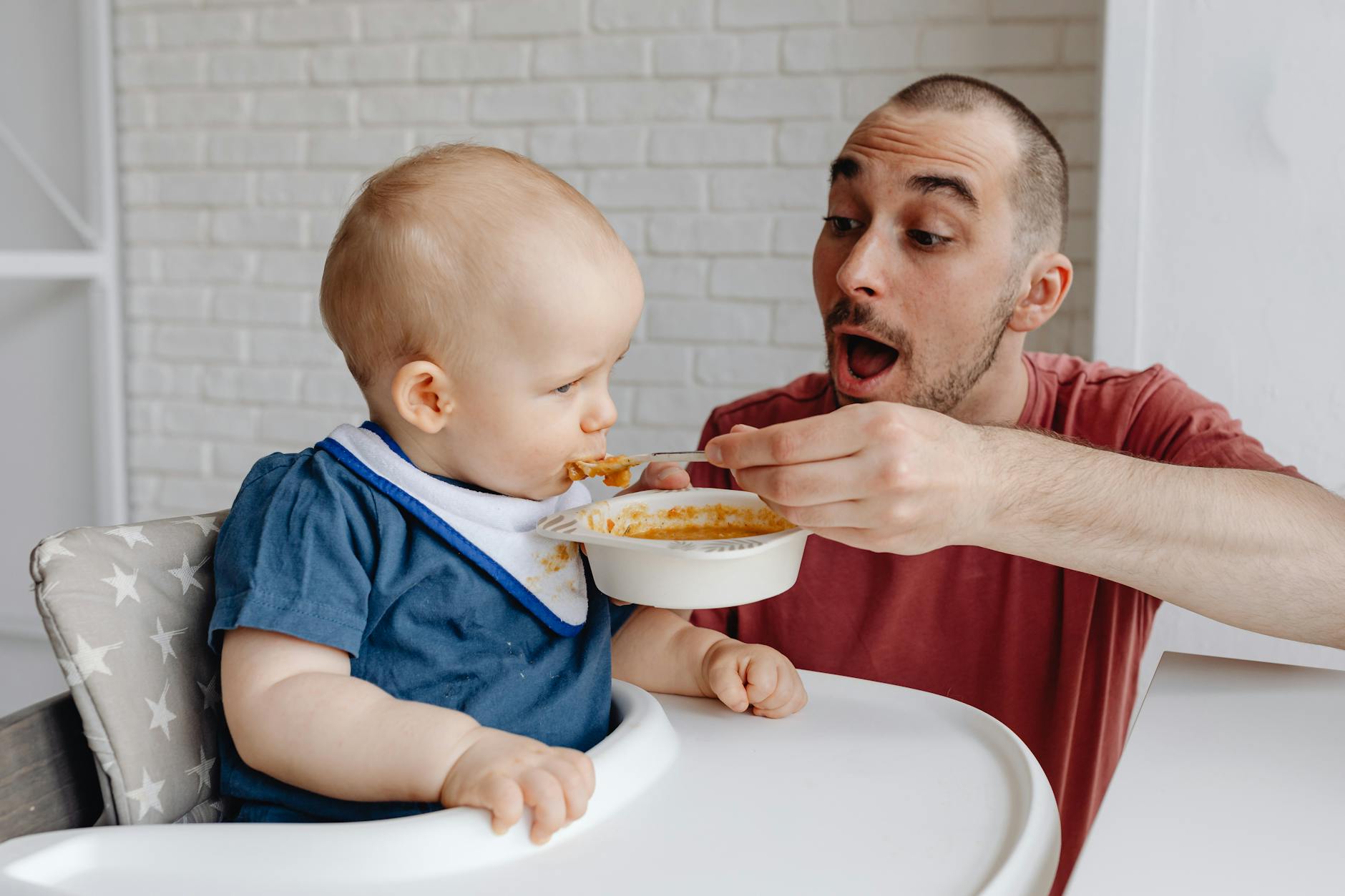
Parents typically begin introducing food signs at 4 to 6 months old, which aligns with when most babies start eating solid foods. This timing makes intuitive sense because your baby is already focused on food, reaching for it, and beginning to understand that eating is a social activity—introducing signs at this moment connects the hand movements directly with a real, meaningful experience happening multiple times a day.
before 4 months, most babies are still developing the motor control to watch and process hand movements in detail, so earlier attempts often result in less engagement. That said, if your family uses sign language for other reasons or wants to start earlier, there’s no harm in introducing signs at any age; babies will simply begin to absorb and use them when developmentally ready, typically not before 6 to 8 months when intentional signing emerges. The key advantage of aligning food signs with the start of solids is that repetition happens naturally—you’re signing at every meal, every snack, multiple times daily, which is the frequency needed for language acquisition.
Using Printables Effectively in Your Daily Routine
The most effective approach is to place your printed guides somewhere visible during meals—a poster on the refrigerator, a laminated chart on the high chair tray, or flashcards in a kitchen drawer you can flip through while preparing food. Rather than drilling signs formally, incorporate them naturally by signing the food name as you present it to your baby, then pausing to see if they attempt to copy or respond.
Laminating your printables or using clear plastic sleeves extends their life significantly, especially in a kitchen environment where spills happen, and it also makes them easier for multiple caregivers to see and use consistently. One limitation of relying solely on printed guides is that they’re static images—seeing a hand shape in a photo is different from watching a live person move their hands in real time, so pairing printables with video demonstrations (available on many of the same websites offering printables) or practicing with other signers gives your baby a more complete picture of how the sign actually moves through space. The combination of printable reference guides plus live demonstration outperforms either approach alone.
Bilingual Printables and Multilingual Families
If you’re raising a bilingual or multilingual baby, the Baby Signs® poster pack’s inclusion of both English and Spanish labels is a significant advantage—your baby learns the sign language equivalent of both spoken languages simultaneously, which many language experts recommend for multilingual households. However, keep in mind that ASL (American Sign Language) is a complete, independent language with its own grammar and syntax; it’s not simply signed English, and not every English word has a direct ASL equivalent.
If you’re using printed guides with multiple languages, verify that the signs shown are actual ASL signs rather than fingerspelling or invented signs, as some lower-quality printables conflate these different communication methods. For families using other sign languages like British Sign Language (BSL) or International Sign, you’ll need different resources than those designed around ASL, so printables designed for one sign language won’t transfer directly to another—this is an important consideration if your family uses a non-ASL sign language at home.

DIY Printables vs. Pre-Made Options
Creating your own printables using photos or drawings of your family signing, combined with downloaded sign images, gives you a personalized tool that includes faces and hands your baby recognizes. This approach works especially well if a grandparent, older sibling, or other frequent caregiver signs regularly—seeing their hands making the sign creates a stronger connection than an unfamiliar person in a commercial photo.
The drawback is time investment and the need for decent photography or illustration skills to create materials that are clear enough to learn from. Pre-made printables skip the creation work and typically feature professional illustrations that clearly show hand shape, position, and orientation—the key features babies need to learn the sign. For most families, starting with free or commercial printables and customizing them later by adding family photos alongside the standard images strikes a practical balance between quality and personalization.
Building Beyond Food Signs
Once your baby becomes comfortable with food signs around 8 to 12 months, you can expand to related signs that enhance mealtime communication: signs for family members (“mama,” “dada,” “grandma”), actions (“eat,” “drink,” “cook”), emotions (“happy,” “yummy”), and descriptive concepts (“big,” “little,” “finish”). Many printable resources include these broader vocabulary sets, so selecting a comprehensive resource from the beginning—rather than just food-specific printables—means you have all related signs available as your baby’s understanding grows. The trajectory from food signs to fuller communication about eating experiences, preferences, and social aspects of mealtime mirrors how spoken language develops, so thinking of food signs as an entry point to broader sign language rather than an isolated skill helps maintain momentum in your baby’s communication journey.
Conclusion
Baby sign language food signs printables are practical, accessible tools that support early communication during one of your baby’s most frequent daily activities. Whether you choose the comprehensive Baby Signs® poster pack, free downloadable charts, or custom creations, the key is consistency in use and pairing printed guides with live demonstrations so your baby sees signs in motion.
Starting around 4 to 6 months when solid foods begin, introducing food signs naturally during meals creates the repetition and real-world context babies need to learn and use them—most babies begin signing back by 8 to 12 months, opening a window of communication before spoken words emerge. The printables themselves are just the tool; the real value comes from incorporating signs into your daily routine with patience and genuine engagement with your baby’s attempts to communicate.