
Baby sign language flashcards printable refer to downloadable, printable materials that teach babies and toddlers American Sign Language (ASL) through visual cards showing words, illustrations, and corresponding signs. The most accessible starting point is Baby Sign Language’s website, which offers 600 free downloadable flashcards covering common words babies learn—everything from “milk” to “more” to “dog.” You can print these immediately at home, make them as large or small as you need, and start using them right away with your baby. Beyond the free option, several other sources provide printable flashcards with different features and price points.
Teachers Pay Teachers offers bilingual English-Spanish flashcards with real-photo ASL demonstrations, while Etsy sells printable ASL flashcards (38 cards) available in PDF, JPG, and PNG formats with unlimited printing rights. For those preferring a physical product, Amazon carries the Baby Sign Language Flash Cards deck (50 cards) by Monta Z. Briant. This article covers where to find printable flashcards, what research actually shows about their effectiveness, how to use them properly with your baby, and whether they should be your only tool for teaching sign language.
Table of Contents
- Where Can You Get Printable Baby Sign Language Flashcards?
- What Does Research Actually Show About Baby Sign Language Effectiveness?
- The Communication Timeline Advantage: When Baby Sign Actually Makes a Difference
- Free vs. Paid Flashcards—What’s Worth Your Money?
- The Flashcard Limitation: Why Cards Alone Won’t Fully Teach Sign Language
- Combining Flashcards With Real-World Signing Routines
- Building Consistency and Long-Term Engagement With Baby Sign Language
- Conclusion
Where Can You Get Printable Baby Sign Language Flashcards?
Your first option costs nothing: baby Sign Language’s website (babysignlanguage.com/flash-cards/) offers 600 free downloadable flashcards. These are comprehensive enough that many families never need to purchase anything else. You download the PDFs, print as many copies as you want, and can enlarge them or laminate them for durability. The breadth here is significant—600 cards cover far more vocabulary than most families will actively teach.
If you want something more structured or bilingual, Teachers Pay Teachers hosts free and paid flashcard sets specifically designed for classroom and home use. Their free bilingual options include 18 real-photo ASL cards in English and Spanish, which show an actual person demonstrating the sign rather than an illustration. Some families find the real-photo format more helpful than drawings because babies and toddlers can see the hand position and movement more clearly. For an even larger selection, Etsy sellers offer printable ASL flashcards (typically 38 cards per set) available in PDF, JPG, and PNG formats with unlimited printing rights, usually for a modest one-time fee. These often include higher-quality illustrations and come organized by category (animals, family, food, etc.), which can be useful if you’re trying to teach thematically.
What Does Research Actually Show About Baby Sign Language Effectiveness?
Before investing heavily in flashcards or committing to baby sign language, it’s important to understand what scientific evidence actually supports. Research on baby sign language shows evidence is “inconclusive,” with “relatively little scientific evidence” supporting broad effectiveness claims that signing gives your baby a developmental advantage. Multiple studies have examined whether sign language produces measurable benefits, and the results are mixed at best. The most telling finding: studies discovered that while some signing children had larger receptive vocabularies (words they understand), these effects were weak and temporary.
Critically, researchers found no statistically significant differences between signing and non-signing children at 30 and 36 months—the long-term developmental outcomes were essentially the same. Overall language development of signing babies was not better than non-signing children overall. However, there is one exception: baby sign may specifically benefit children with weak language abilities. Some evidence shows positive effects for children with low language scores, suggesting that sign language might be a useful tool if your child is experiencing language delays or has a hearing impairment. There is no evidence that using baby sign interferes with typical child development, so if you’re interested in it, there’s no downside to trying.
The Communication Timeline Advantage: When Baby Sign Actually Makes a Difference
One specific, research-backed benefit of baby sign language is the timeline advantage. Typical children can begin communicating through sign language as early as 9 months, roughly three months before speech-based communication begins (typically around 12 months). This means your 9-month-old could potentially sign “more” or “milk” before they can say these words aloud. For parents, this three-month window can feel like a genuine advantage—your baby can express basic needs and wants earlier, which can reduce frustration on both sides.
Keep in mind that this early communication window is the strongest, most research-supported benefit of baby sign language. It’s not about giving your child long-term developmental advantages (the research doesn’t support that) or creating bilingual advantages (sign language doesn’t reliably produce that outcome). It’s specifically about creating an earlier communication channel during the preverbal period. If you’re drawn to baby sign language, this is the honest reason to pursue it: it can help you and your baby communicate earlier than spoken language alone would allow. The flashcards, then, are a tool for teaching the signs that unlock this earlier communication window.
Free vs. Paid Flashcards—What’s Worth Your Money?
The free 600-card set from Baby Sign Language is genuinely comprehensive and complete. If your goal is simply to teach basic signs and you’re comfortable with a simple card format (or digital viewing on a screen), you don’t need to spend money. Many families successfully teach their babies sign language using only free materials. The trade-off: the free cards are typically simple illustrations, and there’s no organized structure or progression—it’s just 600 cards covering different words. You have to decide what order to teach them in.
If you want more structure or higher-quality materials, the paid options offer specific advantages. Real-photo ASL cards (like those on Teachers Pay Teachers) show an actual person signing, which some parents find easier to replicate and for babies to understand. Etsy’s organized, categorized flashcards let you teach thematically—all animal signs one week, then family-member signs the next week—which creates a more intentional learning progression. The Amazon deck (50 cards by Monta Z. Briant) offers a physical product with a compact size, useful if you travel or want cards you don’t have to print. For most families, the free option is enough, but if you’re someone who learns better with structure or wants higher-quality visual materials, spending $10–30 for a paid option isn’t a major investment.
The Flashcard Limitation: Why Cards Alone Won’t Fully Teach Sign Language
Here’s a critical limitation most parents discover: flashcards work best when you model the sign while saying the word simultaneously, so children see and hear the connection. This means you’re not just showing your baby a card—you’re showing the card, saying the word aloud, and demonstrating the sign yourself. This is a higher bar than simply flipping through cards during a passive activity. You’re doing the teaching work, and the cards are a reference tool. More importantly, flashcards alone may not provide the conversational interaction babies need.
When you use only flashcards, the interaction becomes one-directional: you show the card, demonstrate the sign, and move on. Babies learn language through back-and-forth conversation where they see the sign in context (like during mealtime, when signing “milk” while handing them a bottle), repeat it, and experience natural responses. Flashcards can feel like “quizzing” rather than natural communication exchange. This means flashcards are best used as a supplement to real-world signing—using sign language during everyday routines, not as your primary teaching method. If you’re using flashcards expecting them to be enough to teach fluent sign language, you’ll likely be disappointed.
Combining Flashcards With Real-World Signing Routines
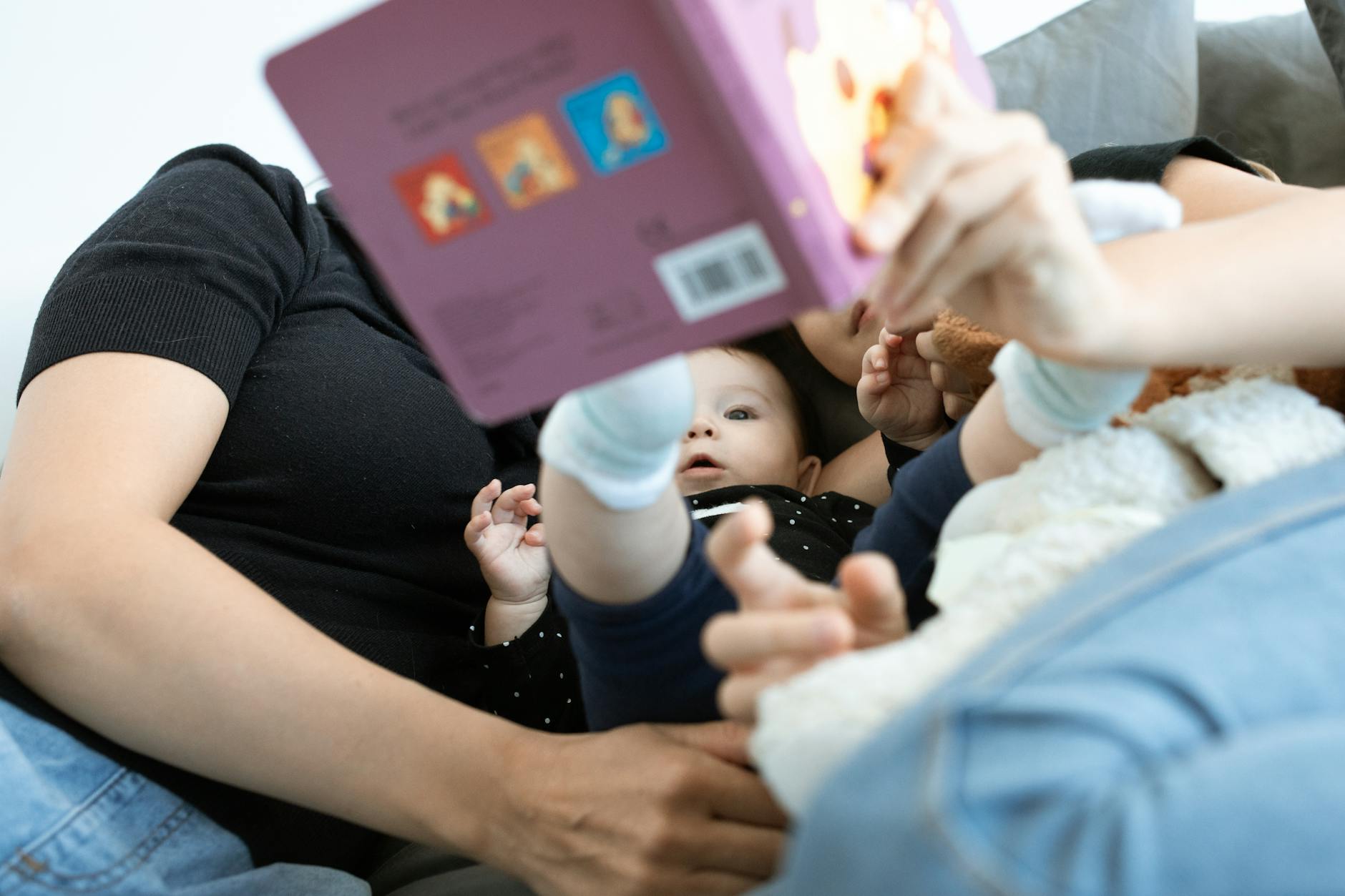
The most effective approach combines flashcards with signing during daily routines. You might review 5–10 flashcards each morning just to keep vocabulary fresh in your mind, then use those signs throughout the day during actual interactions. For example, show the “milk” flashcard before breakfast, practice the sign, and then use that sign every single time you give your baby milk for the next week.
This repetition in context teaches sign language far more effectively than flashcard review alone. Another approach: teach from flashcards but immediately practice the sign during a relevant activity. Show the “dog” flashcard, demonstrate the sign together, and then walk outside to see actual dogs while signing “dog.” This bridges the abstract card to real-world experience, which helps babies connect the sign to actual meaning.
Building Consistency and Long-Term Engagement With Baby Sign Language
Consistency matters more than frequency when teaching sign language to babies. Using a few signs regularly, every single day, in real contexts is more effective than intensive flashcard study sessions followed by weeks of nothing. Many parents find that printing flashcards and posting them in high-traffic areas of their home (kitchen, living room) helps them remember to use signs naturally rather than relying on formal study sessions.
A photo of the “more” sign taped to the high chair reminds you to sign it at meals. As your child grows into toddlerhood, flashcards can continue to serve a purpose if you’re introducing new signs, but the active teaching phase typically winds down. By age 2–3, if your child is speaking, the advantage of sign language largely disappears (remember, research shows no long-term developmental difference). Some families continue signing because they enjoy it or have deaf family members, which is a perfectly valid choice, but the developmental push that made flashcards useful in infancy becomes less relevant.
Conclusion
Printable baby sign language flashcards are an inexpensive, accessible way to learn and teach basic ASL signs to babies and toddlers. Your best starting point is the free 600-card set from Baby Sign Language, supplemented by paid options only if you want more structure, higher-quality imagery, or organized progressions. The most important thing to understand is what flashcards can and can’t do: they can introduce your baby to signs three months earlier than spoken language typically emerges, but they won’t create long-term developmental advantages over non-signing children, and they shouldn’t replace conversational, contextual use of signs during daily routines.
If you’re interested in teaching baby sign language, start with free flashcards, focus on just 5–10 signs, and practice them consistently during relevant daily activities rather than treating flashcards as your primary teaching tool. Remember that flashcards work best when you model the sign while saying the word aloud, creating that audio-visual connection. Approach baby sign language as an optional communication tool that may help your baby express needs earlier, not as a developmental necessity or long-term advantage.