
Yes, baby sign language offers meaningful developmental benefits, particularly for early communication and vocabulary growth. Research shows that infants who learn to sign can communicate recognizable words several months earlier than peers relying solely on spoken language, and babies of deaf parents produce their first recognizable sign at around 8.5 months—before most children speak their first words. Beyond those early advantages, baby sign language appears to enhance literacy skills, reduce parental frustration, and create stronger bonds between parent and child. This article examines what the research actually shows about baby sign language benefits, including both the promising evidence and the important limitations you should know about.
Table of Contents
- How Baby Sign Language Accelerates Early Communication
- Vocabulary Growth and Language Development Benefits
- Early Literacy Skills and Later Reading Development
- Reducing Stress and Building Stronger Parent-Child Connections
- Understanding the Research Limitations and Mixed Evidence
- Critical Importance for Deaf Children
- Will Sign Language Delay Spoken Language Development?
- Conclusion
How Baby Sign Language Accelerates Early Communication
Babies naturally gesture and communicate long before they speak. When sign language is introduced as an intentional communication system, it can accelerate this process significantly. In landmark research conducted in the 1980s by Drs.
Linda Acredolo and Susan Goodwyn at UC Davis, 11-month-old infants taught baby signs showed verbal skills approximately 3 months ahead of control groups by age 2. This advantage emerged because signing enabled babies to express ideas before their developing speech muscles could form clear words. A hearing child with deaf parents provides a natural example: these children learn sign language on the same developmental timeline as hearing children learn spoken language, with first recognizable signs appearing around 8.5 months. The mechanism appears straightforward—when babies have a communication system they can physically control earlier, they express themselves earlier, and this early communication itself appears to accelerate language development.

Vocabulary Growth and Language Development Benefits
More recent research supports vocabulary advantages from baby signing. A 2026 study published in Sage journals examined the impact of baby sign on vocabulary development and found measurable improvements in word acquisition compared to control groups. The vocabulary boost extends across both signed and spoken words for hearing children with deaf parents, suggesting that the cognitive benefits of learning sign language transfer to verbal language skills.
However, it’s important to acknowledge the research limitations: a comprehensive 2005 systematic review analyzed 1,208 published articles on baby signing but found only 17 met rigorous inclusion criteria for research review. Researchers concluded that while the evidence is promising, it remains limited. This doesn’t mean baby sign language doesn’t work—it means more rigorously designed studies are needed to fully understand the scope of benefits and which babies benefit most.
Early Literacy Skills and Later Reading Development
Beyond immediate communication, baby sign language appears to strengthen foundational literacy skills. A 2025 research article from Indiana University documented that children exposed to baby sign language show increased development of early literacy skills, including letter recognition and phonemic awareness.
These are the critical building blocks for reading success in school. The connection may work through multiple pathways: bilingual exposure (sign and spoken language) is known to enhance metalinguistic awareness, and the spatial and visual nature of sign language may particularly strengthen visual processing skills relevant to reading. For families committed to bilingualism, this advantage compounds over time, though research on the long-term reading trajectories of hearing children raised with baby signs specifically would strengthen these claims.
Reducing Stress and Building Stronger Parent-Child Connections
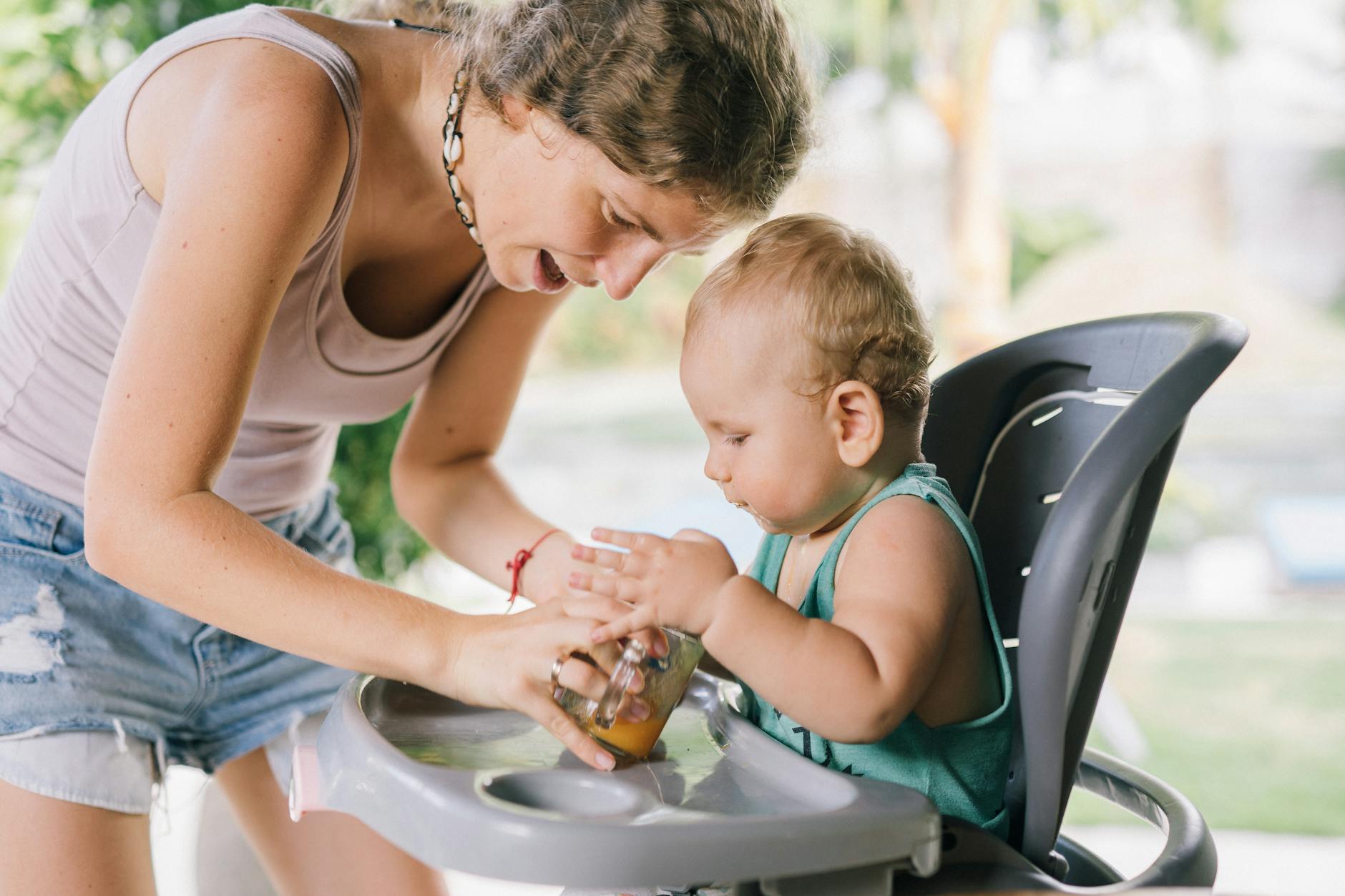
parents who use baby signs report lower stress and frustration levels compared to parents of pre-verbal children without a signing system. The mechanism is straightforward: when a 12-month-old can sign “more” or “all done” or “milk,” parents understand their needs immediately rather than responding to generalized crying or pointing. Signing babies also initiate interaction more frequently and appear more engaged with their parents, creating a positive feedback loop.
A mother of a 16-month-old daughter described the shift: before learning signs with her daughter, mealtimes were frequently frustrated tears and guesswork. After introducing basic signs like “more,” “finished,” and “water,” the daughter could clearly communicate her needs, and mealtime became interactive and calm. This stress reduction likely has cascading benefits for the parent-child relationship and the overall home environment, even if these benefits aren’t yet quantified in formal research.
Understanding the Research Limitations and Mixed Evidence
While the benefits described above are real, the scientific evidence base is smaller than parents often assume. The 2005 systematic review of baby signing research examined over 1,200 published articles but found only 17 met inclusion criteria for rigorous review. Many studies lacked control groups, had small sample sizes, or couldn’t separate baby signing benefits from the general language-rich environments these families typically provide.
This doesn’t mean baby signing doesn’t work, but rather that claims should be modest and specific. Research consistently supports communication acceleration and vocabulary benefits, particularly among children with two signing parents. The benefits for hearing children of hearing parents who choose to introduce signs, while theoretically sound, are supported by less robust evidence. Parents should approach baby signing as a communication tool with real near-term benefits rather than a guaranteed cognitive enhancement.
Critical Importance for Deaf Children
While this article focuses primarily on hearing children, it’s essential to note that baby sign language serves a fundamentally different and critical purpose for deaf children. Deaf children with early exposure to sign language develop stronger vocabularies, language competence, literacy, and reading skills that are comparable to their hearing peers.
Early language access, whether signed or spoken, is essential for typical cognitive and linguistic development. For deaf infants and toddlers, sign language is not an optional enrichment—it’s the language that gives them the same early communicative access that spoken language provides to hearing children. A deaf toddler who learns American Sign Language (ASL) at home or in early intervention programs from birth or shortly thereafter develops language at the typical pace for all children.
Will Sign Language Delay Spoken Language Development?
One of the most common concerns from hearing parents considering baby sign language is whether introducing signs might delay spoken language development. Research consistently confirms that it does not. Hearing children of deaf parents who learn both sign language and spoken language (either at home or through exposure to hearing relatives, teachers, and peers) develop both languages on typical timelines.
The brain’s capacity for language is not zero-sum—children are bilinguals who can acquire both languages. In fact, bilingual exposure often enhances certain language skills, including vocabulary breadth and linguistic flexibility. This concern appears to stem from older, disproven theories rather than current evidence.
Conclusion
Baby sign language offers real, measurable benefits for early communication and vocabulary development, with the most robust evidence supporting these advantages for hearing children of deaf parents and for deaf children learning sign language as their natural language. For hearing children of hearing parents who choose to introduce signs as an additional communication tool, the benefits include earlier communication, reduced frustration, and stronger parent-child engagement, though the long-term cognitive advantages are less extensively documented.
The research base continues to grow, particularly with recent studies from 2025 and 2026 examining literacy benefits. If you’re considering baby sign language for your family, the evidence supports it as a low-risk, potentially beneficial communication tool rather than a guaranteed cognitive enhancement. The next steps might include exploring local sign language classes, connecting with communities of signing families, or investigating whether early intervention programs in your area offer sign language exposure.