
Baby sign language bedtime refers to introducing a small set of simple hand gestures to your child during sleep routines—typically signs like BED, SLEEP, BATH, BRUSH TEETH, MOON, STARS, LIGHT, and I LOVE YOU. The primary benefit is not language development itself, but emotional communication: a baby or toddler who signs “sleep” or “tired” can signal their needs without crying or frustration, which dramatically reduces bedtime stress for both child and parent. Beyond this practical advantage, signing together during bedtime routines strengthens the parent-child bond and helps infants develop better emotional regulation. This article covers how to introduce bedtime signs, what age to start, which signs work best for sleep routines, and what recent research actually shows about the real benefits and limitations of baby sign language.
Starting baby sign language around 6-8 months is typical, though most children produce their first intentional signs between 9-12 months. You don’t need to wait for your child to be a certain age to begin modeling signs—simply incorporating one or two signs into your existing bedtime routine (signing “book” while reading, signing “bed” while tucking them in) plants the seeds. The good news: children naturally pick this up without formal lessons. The realistic news: signing won’t accelerate your child’s overall language development according to recent research, but it will improve communication during bedtime and throughout daily routines.
Table of Contents
- When Should You Start Teaching Baby Sign Language at Bedtime?
- The Core Bedtime Sign Language Vocabulary
- How Baby Sign Language Reduces Bedtime Frustration and Crying
- Incorporating Bedtime Signs into Your Nightly Routine
- What the Research Actually Says About Baby Sign Language and Sleep
- Bedtime Signs for Different Ages and Developmental Stages
- Building Long-Term Communication Habits Beyond Bedtime
- Conclusion
When Should You Start Teaching Baby Sign Language at Bedtime?
Your child can begin learning to understand and use bedtime signs as early as 6-8 months, during the preverbal stage when they’re developing awareness of gestures and nonverbal communication. However, intentional signing back—where your child produces the sign on their own without you prompting them—typically emerges between 9-12 months, around the same time most children develop their first words. This doesn’t mean you should wait until 9 months to start; modeling signs from 6 months onward gives your child more exposure and a natural advantage. The timing of when your child *produces* their first bedtime sign depends more on their individual development and your consistency than their exact age. Some children sign “sleep” or “bed” as early as 10 months; others take until 18 months. The key is that starting early—even if your baby doesn’t sign back for months—normalizes the gesture and makes it part of your bedtime language.
One practical approach: introduce just one bedtime sign at a time during routine activities. Sign “sleep” every night for two weeks before adding “moon” or “light.” This gives your child time to become familiar with the gesture without overwhelming them. A common misconception is that signing might confuse or delay language development. Recent research (2026) found that baby sign language shows a weak to no effect on vocabulary development or overall language outcomes. This means signing won’t slow your child down, nor will it dramatically accelerate speech. What it does is open a communication channel during the bedtime window when your child might otherwise resort to crying or whining.

The Core Bedtime Sign Language Vocabulary
The most practical bedtime signs are the ones that address your child’s actual needs and nighttime experiences: BED, SLEEP, BATH, BRUSH TEETH, MOON, STARS, MILK, PACIFIER, BOOK, LIGHT, and I LOVE YOU. This vocabulary of roughly 20-50 everyday signs (depending on which routines you include) is designed around real-world bedtime sequences, not linguistic completeness. A child who can sign “milk,” “bath,” and “sleep” can communicate the essential elements of their evening routine without words. The advantage of this limited vocabulary is that consistency becomes manageable—you’re not trying to teach hundreds of signs. The limitation is that you’re restricted to concrete, visible concepts. You can sign “moon” when you point to it, or “bath” when the water runs, but abstract bedtime concepts like “tomorrow” or “in five minutes” remain difficult.
This is why signing works best paired with verbal language, not as a replacement for it. You say, “Bedtime is in five minutes,” and sign “sleep” to reinforce the concept your child already hears. One often-overlooked detail: the signs for bedtime don’t need to be perfect ASL (American Sign Language). Baby sign language is intentionally simplified. Your “bed” sign might be two flat hands coming together (like a simplified pillow), and that’s sufficient. The goal is consistency—using the same gesture each time—not formal accuracy. Parents and caregivers should agree on which gestures they’ll use so the child sees the same sign from different people.
How Baby Sign Language Reduces Bedtime Frustration and Crying
A 6-month-old or 12-month-old cannot say, “I’m tired and my eyes hurt.” They can only cry, whine, or communicate through emotional escalation. When a child learns to sign “sleep” or “tired,” even imperfectly, they gain agency—a tool to express their state of mind. Research shows that infants who can sign simple needs experience decreased frustration because they’re no longer entirely dependent on caregiver interpretation. Your child signs “sleep,” you respond, and the bedtime process moves forward with less conflict. This decreased frustration benefits both child and parent. An 18-month-old who can sign “milk” at bedtime avoids five minutes of crying while you guess whether they’re hungry or thirsty.
The child’s self-esteem improves because they’ve successfully communicated; the parent’s stress decreases because the communication worked. Over time, this repeated success during bedtime (and other routines) builds your child’s confidence in their ability to influence their environment. Emotional regulation—the ability to manage their own state and signal what they need—is a foundational skill that extends far beyond bedtime. However, signing alone won’t eliminate bedtime challenges. A child who refuses to leave the playground at 7 PM won’t suddenly become cooperative because they can sign “bed.” Signing is a tool for communication and emotional expression, not a magic solution for behavioral issues or resistance to sleep. Its power lies in reducing the noise and frustration when a child *wants* to cooperate but lacks the vocabulary to say so.
Incorporating Bedtime Signs into Your Nightly Routine
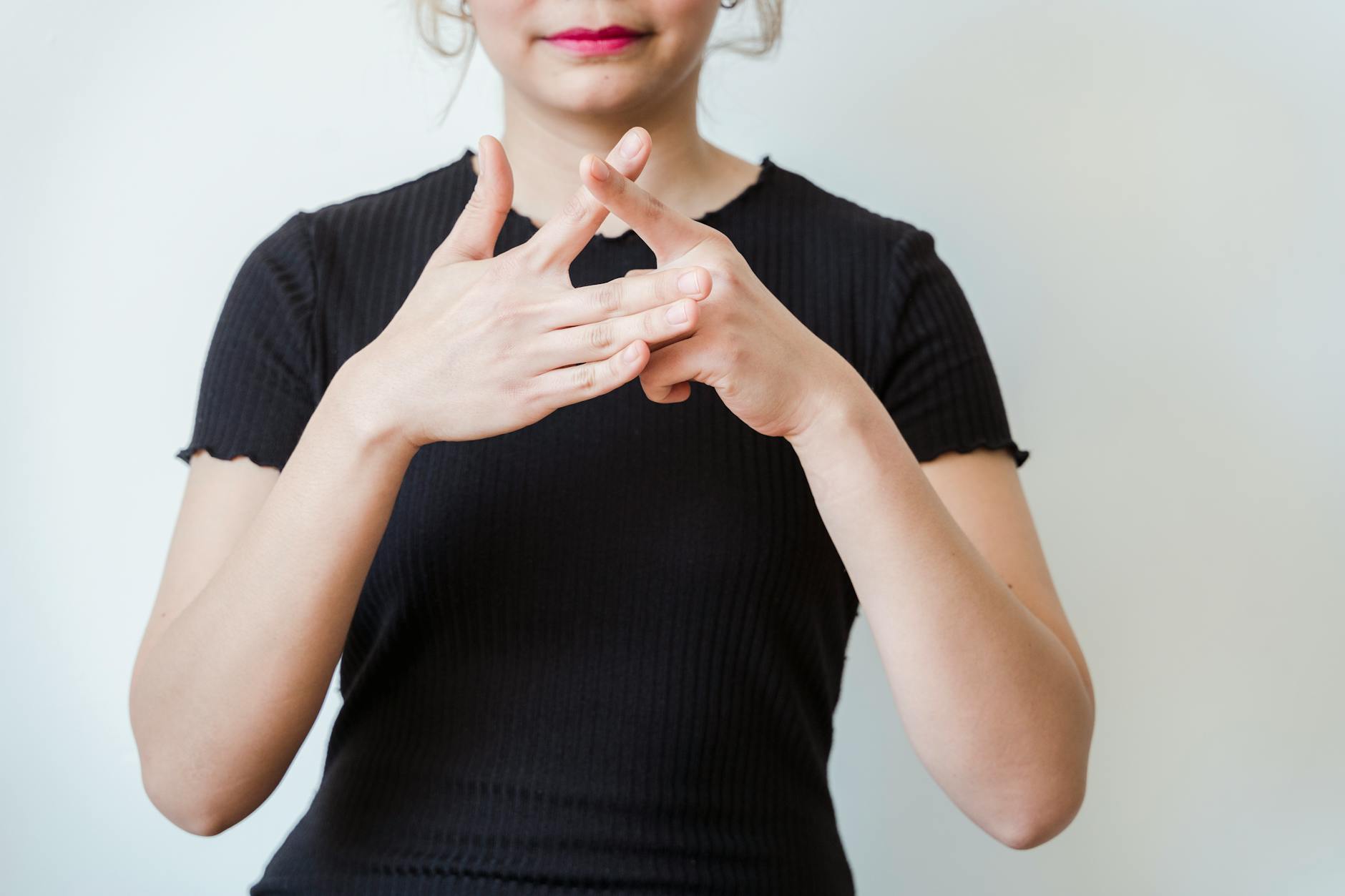
The most effective way to teach bedtime signs is to weave them into your existing routine rather than creating a separate “sign language lesson” time. If you read books before bed, sign “book” every night when you pull it out. If you brush teeth, sign “brush teeth” before you begin. If your child has a milk bottle, sign “milk” as you prepare it. Adding 1-2 bedtime signs into routine increases the likelihood that your child will eventually sign back because the sign is paired with a consistent action and context. A practical implementation looks like this: Week one, focus on “sleep” and “bed.” Every night, sign both gestures during the bedtime routine—when you announce it’s bedtime, when you move toward the bedroom, when you tuck them in. Use the same hand shape and movement each time.
Don’t expect an immediate response; you’re building the association. By week three or four, your child may start mimicking the sign. By week eight, they might produce it on their own without prompting. The timeline varies by child, but consistency matters more than pressure. Compare this to trying to teach your child to sign without context—showing flashcards of bedtime signs during the day—and you’ll see why the routine-based approach works better. The sign is meaningful to your child because it’s connected to something happening right now, not an abstract learning exercise. This also means you’re less likely to abandon the practice, since you’re not adding extra steps to your day; you’re simply adding gesture to something you’re already doing.
What the Research Actually Says About Baby Sign Language and Sleep
A 2026 study published in peer-reviewed research found that baby sign language showed weak to no effect on vocabulary development or caregiver behavior when controlling for socioeconomic status and parent-child activities. This finding surprises some parents who’ve heard enthusiastic marketing claims about sign language accelerating infant speech. The research clarifies that signing is not a shortcut to language development—your child won’t have a larger vocabulary or speak earlier because of bedtime signs. This doesn’t mean signing is worthless; it means the benefits are different from what some programs suggest. The genuine benefits—increased bonding, decreased frustration, improved emotional regulation, and infant self-esteem—are real and supported by experience and research. They’re just not linguistic benefits.
A child benefits emotionally and communicatively from signing their bedtime needs, but they won’t necessarily develop larger vocabulary or advanced language skills from the practice alone. One important caveat: if you introduce bedtime signs but abandon verbal language or speech modeling, you could actually limit your child’s language exposure. Signing works best as a *complement* to spoken language during routines, not a replacement for it. Talk and sign. Read aloud and sign. Use both channels of communication so your child benefits from the emotional power of signing without sacrificing the linguistic input that builds vocabulary and grammar.

Bedtime Signs for Different Ages and Developmental Stages
A 6-8 month old can begin to recognize and imitate simple hand movements during bedtime routines, even if they don’t consistently produce the sign back. Your role at this stage is to model and reinforce: sign “sleep” at bedtime, sign “bath” during the bath, and respond enthusiastically if your baby makes any approximation of the gesture. Patience is essential because intentional signing is still many months away. By 12-18 months, your child may start producing bedtime signs on their own, sometimes perfectly and sometimes with simplified versions (your child might use a flat palm against their cheek for “sleep” instead of the textbook version).
This is normal and exactly what you want—they’re communicating the concept, and the approximation shows they understood and internalized it. Continue using the same gestures, praise the attempts, and gradually they’ll refine the movements. Beyond 18-24 months, children who’ve grown up with bedtime signs typically use them alongside words (“sleepy” while signing “sleep”). The sign often becomes a memory aid and emotional anchor—your child signs “sleep” not because they can’t say the word, but because the sign is part of your shared bedtime language. Some children eventually drop the signs as speech becomes their primary tool; others maintain them throughout early childhood because they find them useful or emotionally connecting.
Building Long-Term Communication Habits Beyond Bedtime
The habits you build around bedtime signing often extend naturally to other routines. A child who learns “milk,” “sleep,” and “bath” during bedtime may spontaneously start signing “book” during story time or “play” before nap time. The gesture language becomes a tool they reach for when communication matters, not just a bedtime practice. This is why consistency and genuine responsiveness matter—if your child signs “milk” and you ignore it, they learn the sign isn’t functional.
If you respond every time, the sign becomes part of your shared communication toolkit. Looking forward, the long-term value of early baby sign language isn’t in accelerated language development (as the research shows) but in establishing a family culture of multimodal communication. Families who sign together often maintain a physical, gestural element in their communication style even after speech becomes dominant. This can strengthen parent-child connection throughout childhood and beyond.
Conclusion
Baby sign language bedtime is a practical tool for reducing frustration and building bonding during one of your child’s most challenging transitions each day. Starting as early as 6-8 months with simple, consistent gestures like BED, SLEEP, LIGHT, and I LOVE YOU, you can help your child communicate their bedtime needs before they have the words. The research is clear: signing won’t accelerate vocabulary development overall, but it will give your child an emotional outlet and a way to signal tiredness, reducing tears and frustration for everyone involved.
The key to success is simplicity and consistency—choose one or two bedtime signs, use them every night in context, and let your child respond in their own time, usually between 9-12 months or beyond. Pair signing with your existing bedtime routine rather than treating it as separate lessons. Over months, you’ll notice your child becomes an active partner in the bedtime ritual, signing back, anticipating the gestures, and experiencing the satisfaction of successful communication. This foundation in nonverbal communication and emotional expression often extends far beyond bedtime, shaping how you and your child connect throughout their development.