
You do not need to spend a dime to start teaching your baby sign language. Between free printable charts, video dictionaries with hundreds of signs, no-cost apps, and full online courses, parents today have access to a remarkable collection of resources that would have been unimaginable even a decade ago. Sites like BabySignLanguage.com offer a free printable chart covering 17 basic signs along with a dictionary of over 600 signs demonstrated on video, while SignBabySign.com provides an entirely free online course designed by instructor Jane Rosenberg to make baby sign language accessible to every family regardless of budget. The research backing baby sign language is equally encouraging.
A landmark NIH-funded study by Drs. Linda Acredolo and Susan Goodwyn at UC Davis found that children who learned signs as infants scored an average of 12 IQ points higher than non-signing peers by age eight. The American Academy of Pediatrics supports baby sign language as a positive tool for early communication, with AAP spokesperson Dr. Howard Reinstein noting that most babies develop the physical dexterity and cognitive ability to learn signs at around eight months old. This article walks through the best free resources available online, from printable guides and apps to video libraries, and offers practical advice on how to actually use them with your child.
Table of Contents
- What Free Baby Sign Language Resources Are Actually Worth Your Time?
- Free Apps for Teaching Baby Sign Language at Home
- Video Dictionaries and Reference Tools That Go Beyond the Basics
- When to Start and What to Expect From Free Resources
- Common Mistakes Parents Make With Baby Sign Language
- Free Printables and Classroom Resources for Caregivers and Educators
- The Future of Free Baby Sign Language Education
- Conclusion
- Frequently Asked Questions
What Free Baby Sign Language Resources Are Actually Worth Your Time?
Not all free resources are created equal, and sorting the genuinely useful from the half-baked can save you real frustration. The strongest free resource available right now is babySignLanguage.com, which goes well beyond a basic word list. Their free printable chart is a six-sheet poster covering 17 foundational signs, but the real value is their video dictionary of more than 600 signs. Each entry shows the sign performed clearly, which matters because static images of hand positions are notoriously difficult to learn from. They also offer free downloadable flash cards and a starter guide focused on the ten signs most families begin with: milk, more, all done, eat, water, mommy, daddy, help, book, and bath. For parents who want a more structured learning experience without paying for a course, SignBabySign.com stands out. Created by Jane Rosenberg, it is a fully free online course rather than just a collection of materials.
This matters because one of the biggest challenges parents face is not finding signs to learn but knowing how to introduce them in context and stay consistent. A guided curriculum solves that problem. Meanwhile, Mama Natural offers a clean, printable one-page guide with the top 20 baby signs, which works well as a quick-reference sheet you can stick on the refrigerator. Sprout Pediatrics provides a similar downloadable resource focused on the top ten functional signs for early communication. One caveat worth noting: free resources vary widely in whether they teach actual American Sign Language or modified “baby sign” gestures. Sites like Start ASL, which offers a free basic sign language chart, tend to use standard ASL. Others may use simplified or invented gestures. Neither approach is wrong, but if your goal is to build a foundation in real ASL, or if your child will interact with Deaf individuals, sticking with resources that use authentic ASL signs is the better path.

Free Apps for Teaching Baby Sign Language at Home
Mobile apps can be particularly effective for baby sign language because they combine video demonstration with the convenience of having a reference tool in your pocket during meals, bath time, or play. ASL Kids is one of the best free options available on both iOS and Android. It includes 58 signs taught by child ASL experts ages one through twelve, which is a thoughtful design choice since babies and toddlers often respond more attentively to other children signing than to adults. The app includes quiz games and, notably, contains no ads and no social media links, a rarity in the free app space. Baby Sign Dictionary Lite is another solid free option, offering 40 real-life signing video demonstrations. The videos show actual people performing the signs rather than animations, which tends to produce better learning outcomes for parents who then need to replicate the gestures accurately.
The lite version covers enough vocabulary to get started, though the full version expands to roughly 340 signs and over an hour of video content for a one-time purchase. Baby Sign and Learn takes a different approach with animated characters, which some toddlers find more engaging. It is free to sample and has been recommended by speech therapists, though the full version requires an in-app purchase. However, if your child is under twelve months old, an app is really a tool for you, the parent, not for your baby. Screen time guidelines from the AAP recommend avoiding screens for children under eighteen months outside of video chatting. The practical approach is to use apps to learn the signs yourself and then model them during real-world interactions with your child. Handing a phone to an infant and expecting them to learn signs from an app is not how this works, no matter how well-designed the app might be.
Video Dictionaries and Reference Tools That Go Beyond the Basics
Once you move past the ten or twenty starter signs, you will inevitably encounter situations where you want to sign a word that does not appear on any beginner chart. This is where free video dictionaries become essential. ASL Pro is a large, free ASL video dictionary that covers a far broader vocabulary than any baby-specific resource. It is particularly useful for finding less common signs, say the sign for “airplane” when your toddler becomes obsessed with planes, or “dinosaur” when that inevitable phase hits. Signing Savvy provides a searchable database with videos and graphics for ASL words and phrases, and its interface makes it easy to look up a sign quickly in the middle of a busy day. For parents who want to go deeper into the mechanics of sign language itself, Sign Language 101 offers ten free instructional videos covering the alphabet, antonyms, and body language fundamentals.
Understanding the alphabet is not directly relevant for baby signing, but it gives parents a broader literacy that helps when learning new signs and understanding how ASL works as a language rather than a collection of isolated gestures. A specific example of how these tools work in practice: a parent using BabySignLanguage.com’s starter chart teaches their ten-month-old the signs for milk, more, and all done. A few months later, the child starts pointing at the family dog repeatedly. The parent pulls up ASL Pro on their phone, searches “dog,” watches the video, and introduces the sign during their next interaction with the pet. Within a week or two, the toddler is signing “dog” every time the animal walks into the room. That progression from starter chart to expanded dictionary is how these free resources layer together.
When to Start and What to Expect From Free Resources
The recommended starting age for introducing baby sign language is six to eight months, though there is nothing harmful about starting earlier. The key expectation to set is that babies typically do not begin signing back until somewhere between ten and fourteen months of age. That gap between when you start modeling signs and when your child first produces one can feel discouraging, and it is the number one reason parents abandon the practice. Free resources rarely warn you about this clearly enough. The 2000 study by Acredolo, Goodwyn, and Brown, which involved 103 children in an experimental design, demonstrated that sign-trained children showed statistically higher receptive and expressive language outcomes at fifteen, nineteen, and twenty-four months compared to control groups. This means the signing is working even during that quiet period when your baby seems to be ignoring your efforts. They are absorbing the input and building comprehension before they have the motor control to produce signs themselves.
The tradeoff with free resources versus paid courses is primarily about structure and accountability. A free printable chart tells you what signs exist but does not tell you how many to introduce per week, how to embed them into daily routines, or how to troubleshoot when your child seems uninterested. A course like SignBabySign.com bridges some of that gap, but most free materials require you to build your own practice structure. Compared to paid programs, which can run anywhere from twenty to over a hundred dollars, free resources cover the same signs and the same techniques. The difference is packaging and support. If you are self-motivated and comfortable building your own routine, free resources will get you to the same place. If you need a week-by-week plan and community support, the free options may leave you feeling adrift after the initial enthusiasm fades.
Common Mistakes Parents Make With Baby Sign Language
The most frequent mistake is inconsistency. Parents learn a dozen signs from a free chart, use them enthusiastically for a week, and then gradually stop when the baby does not immediately sign back. The research is clear that the input period matters and that results come on a delayed timeline. If you are going to use free resources, the most important thing you can do is pick three to five signs and commit to using them at every relevant opportunity for at least two months before evaluating whether it is working. Another common error is introducing too many signs at once. Free resources like BabySignLanguage.com’s 600-sign dictionary can create a false sense that more is better. For a baby under twelve months, three to five signs used consistently will produce better results than thirty signs used sporadically.
Start with high-motivation words: milk, more, all done, eat, and help are popular starting points because they connect to things your baby already wants to communicate about. Add new signs only after your child shows recognition of the current ones, even if they are not producing them yet. A limitation worth addressing directly: no research has shown that signing causes language delays, according to the Hanen Centre’s review of the literature. This concern comes up frequently, often from well-meaning grandparents or pediatricians who are not familiar with the research. The overwhelming majority of studies show positive short-term and long-term effects. Children with weaker language skills actually showed the largest increases in ability after learning signs, according to research published in The ASHA Leader. If someone in your life raises this concern, the evidence is firmly on your side.
Free Printables and Classroom Resources for Caregivers and Educators
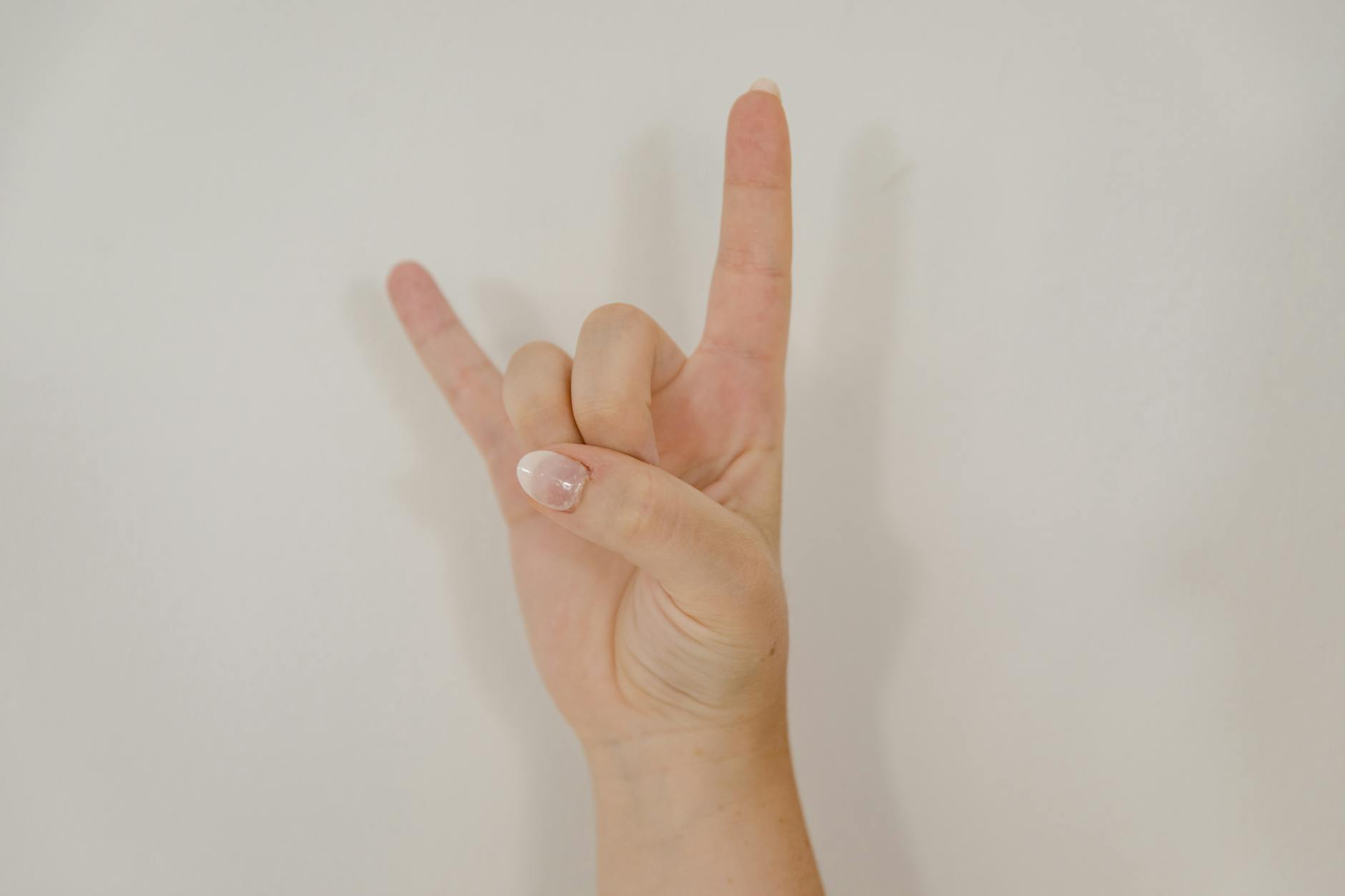
For families whose children are in daycare or preschool settings, getting caregivers on board with signing can dramatically accelerate a child’s progress. Teachers Pay Teachers hosts multiple free baby sign language printables and resources created by educators specifically for classroom use. These are often designed as wall posters or laminated reference cards that caregivers can use throughout the day.
4ParentsAndTeachers.com also offers free ASL downloads including baby and toddler sign language materials and an ASL alphabet chart. A practical example: one parent printed the Mama Natural top-twenty-signs sheet and the BabySignLanguage.com flash cards, laminated both sets, and gave copies to their daycare provider along with a brief explanation of which five signs they were currently working on at home. Within a month, the daycare provider was using the signs during meals and diaper changes, and the child began signing “more” and “all done” at thirteen months. Consistency across environments made a measurable difference.
The Future of Free Baby Sign Language Education
The quality and availability of free baby sign language resources have improved dramatically over the past several years, driven largely by increased awareness of the developmental benefits and the ease of distributing video content online. As more speech-language pathologists and early childhood educators contribute free materials, the gap between free and paid resources continues to narrow. Research showing that signing babies experience fewer tantrums and that parents report less stress and frustration has helped move baby sign language from a niche practice to something pediatricians routinely mention at well-child visits.
What remains underserved in the free resource space is support for multilingual families and families with children who have developmental differences. Most free materials assume English-speaking households learning ASL, and few address how to integrate signing when a child is already navigating two or more spoken languages. As the community of parents and educators sharing free resources continues to grow, these gaps are likely to be filled, but for now they represent a real limitation of what is available at no cost.
Conclusion
The range of free baby sign language resources available today is genuinely impressive. Between BabySignLanguage.com’s extensive video dictionary and printable charts, SignBabySign.com’s full online course, apps like ASL Kids with dozens of signs and no ads, and video reference tools like ASL Pro and Signing Savvy, parents can build a comprehensive signing practice without spending anything. The research supports the effort: NIH-funded studies have linked infant signing to higher IQ scores, stronger language development, and fewer behavioral frustrations, and no credible research has found any downside. The key to making these free resources work is not finding the perfect chart or the best app.
It is consistency. Pick a small set of starter signs, use them at every natural opportunity, give your baby time to absorb before expecting production, and gradually expand. Print a reference sheet for the refrigerator, download an app for quick lookups on the go, and share materials with anyone who regularly cares for your child. The tools are free. The only investment required is your attention.
Frequently Asked Questions
What age should I start teaching my baby sign language?
The recommended starting age is six to eight months, when most babies have developed sufficient motor control and cognitive ability. AAP spokesperson Dr. Howard Reinstein notes that most babies have the physical dexterity to learn signs at about eight months. However, babies typically do not sign back until ten to fourteen months, so patience during the early months is essential.
Will teaching my baby sign language delay their speech?
No. According to the Hanen Centre’s review of the research literature, no study has shown that signing causes language delays. The 2000 study by Acredolo, Goodwyn, and Brown found that sign-trained children actually had higher receptive and expressive language scores at fifteen, nineteen, and twenty-four months compared to non-signing peers.
What are the best first signs to teach a baby?
The most common and effective starter signs are milk, more, all done, eat, water, mommy, daddy, help, book, and bath. These work well because they connect to things babies are already motivated to communicate about, particularly around meals and daily routines.
Are free baby sign language resources as good as paid courses?
Free resources cover the same signs and techniques as paid programs. The main difference is structure: paid courses typically offer week-by-week lesson plans, community support, and guided progression. Free resources like SignBabySign.com’s online course come close, but most free materials require you to build your own routine and practice schedule.
Should I teach real ASL signs or simplified baby signs?
Either approach works for early communication, but using real ASL signs has the advantage of building a foundation in an actual language. If your child may interact with Deaf individuals or if you want the signs to remain useful as your child grows, sticking with authentic ASL from resources like Start ASL or ASL Kids is the stronger choice.
How long does it take for a baby to learn their first sign?
If you begin at six to eight months and sign consistently, most babies produce their first sign between ten and fourteen months. Some children sign earlier, some later. The input period where your baby is watching and absorbing but not yet producing signs is normal and necessary, so do not interpret silence as failure.